

German Schnitzel – Golden, Crispy Restaurant-Quality Comfort Food
There’s something absolutely magical about the moment a fork cuts through perfectly golden, crispy German Schnitzel – that satisfying crack of the crust giving way to reveal the tender, juicy meat within. This isn’t just comfort food; it’s pure culinary theater that transforms your kitchen into a cozy Austrian gasthaus. The aroma alone – that intoxicating blend of buttery breadcrumbs, fresh herbs, and sizzling protein – has the power to transport you straight to a wood-paneled restaurant in Vienna, where schnitzel isn’t just a dish, it’s a way of life. What makes truly exceptional German Schnitzel isn’t just the technique (though that matters immensely), but the understanding that this dish is all about contrasts – the shatteringly crisp exterior against silky tender meat, the rich, nutty flavor of properly browned butter dancing with bright lemon, and the satisfying heft of a substantial meal that somehow feels elegant rather than heavy. When done right, each bite delivers layers of flavor and texture that make you close your eyes and savor the moment.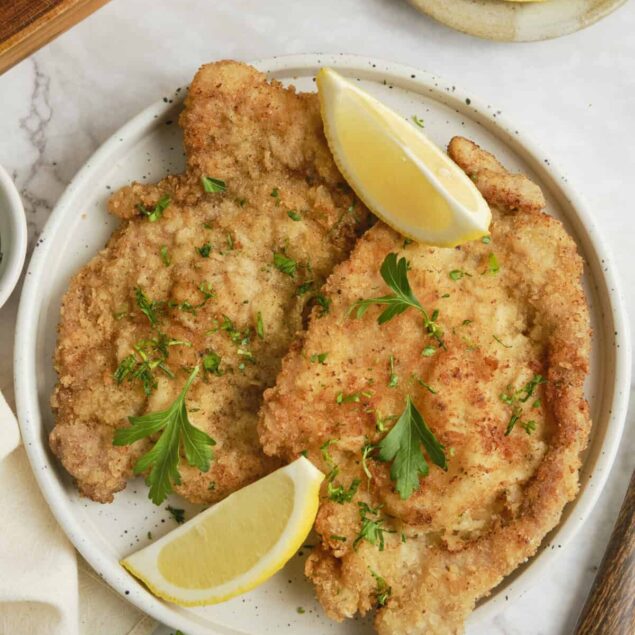
Why You’ll Love This Recipe
This German Schnitzel recipe delivers that coveted restaurant-quality experience without the hefty price tag or the need to leave your house. The secret lies in the three-stage breading process that creates an impossibly crispy, golden crust that stays put and never gets soggy. Unlike many home recipes that result in disappointing, greasy cutlets, this method ensures that perfect crunch every single time.
What sets this recipe apart is the attention to those flavor-building details that make the difference between good and extraordinary. We’re talking about properly seasoned flour, eggs enriched with cream, and breadcrumbs that are toasted to golden perfection before they ever hit the pan. The result is schnitzel with complex, nutty flavors and a texture that’s so satisfying, you’ll find yourself making excuses to prepare it again and again.
Beyond the incredible taste, this recipe is surprisingly approachable for home cooks. With clear techniques and pro tips, you’ll master the art of schnitzel-making faster than you’d expect, creating a dish that’s equally at home for a cozy family dinner or an impressive dinner party centerpiece.
Key Ingredients
The beauty of German Schnitzel lies in its elegant simplicity, where each ingredient plays a crucial role in creating that perfect harmony of flavor and texture. The veal or pork cutlets form the heart of the dish – we’re looking for pieces that are pounded thin enough to cook quickly and evenly, but thick enough to remain juicy and tender. When veal isn’t available or budget is a concern, pork loin makes an excellent substitute that delivers remarkable flavor and texture. The eggs serve as more than just binding agent; when whisked with a splash of heavy cream, they create a luxurious coating that helps the breadcrumbs adhere while adding richness. Fresh, fine breadcrumbs are absolutely non-negotiable here – they create that signature golden crust that defines exceptional schnitzel, offering both visual appeal and that satisfying crunch. High-quality butter and neutral oil work in tandem for the frying process, with the oil providing a high smoke point for proper searing while the butter adds that distinctive nutty flavor that makes German Schnitzel so irresistibly aromatic. Finally, fresh lemons aren’t just garnish – their bright acidity cuts through the richness and elevates every bite, making this hearty dish feel balanced rather than heavy.
Pro Tips & Variations
The key to schnitzel perfection lies in the pounding technique – place your cutlets between plastic wrap and use the flat side of a meat mallet to gently pound them to an even 1/4-inch thickness. This ensures quick, even cooking and prevents the dreaded scenario of overcooked edges with raw centers. For the breading station, keep one hand for dry ingredients and one for wet to prevent buildup that can create clumps.
Temperature control is absolutely critical for that perfect golden crust. The oil should be hot enough that a pinch of breadcrumbs sizzles immediately when added, but not so hot that the coating burns before the meat cooks through. If you’re making multiple schnitzels, clean your oil between batches to prevent burnt bits from affecting the flavor of subsequent pieces.
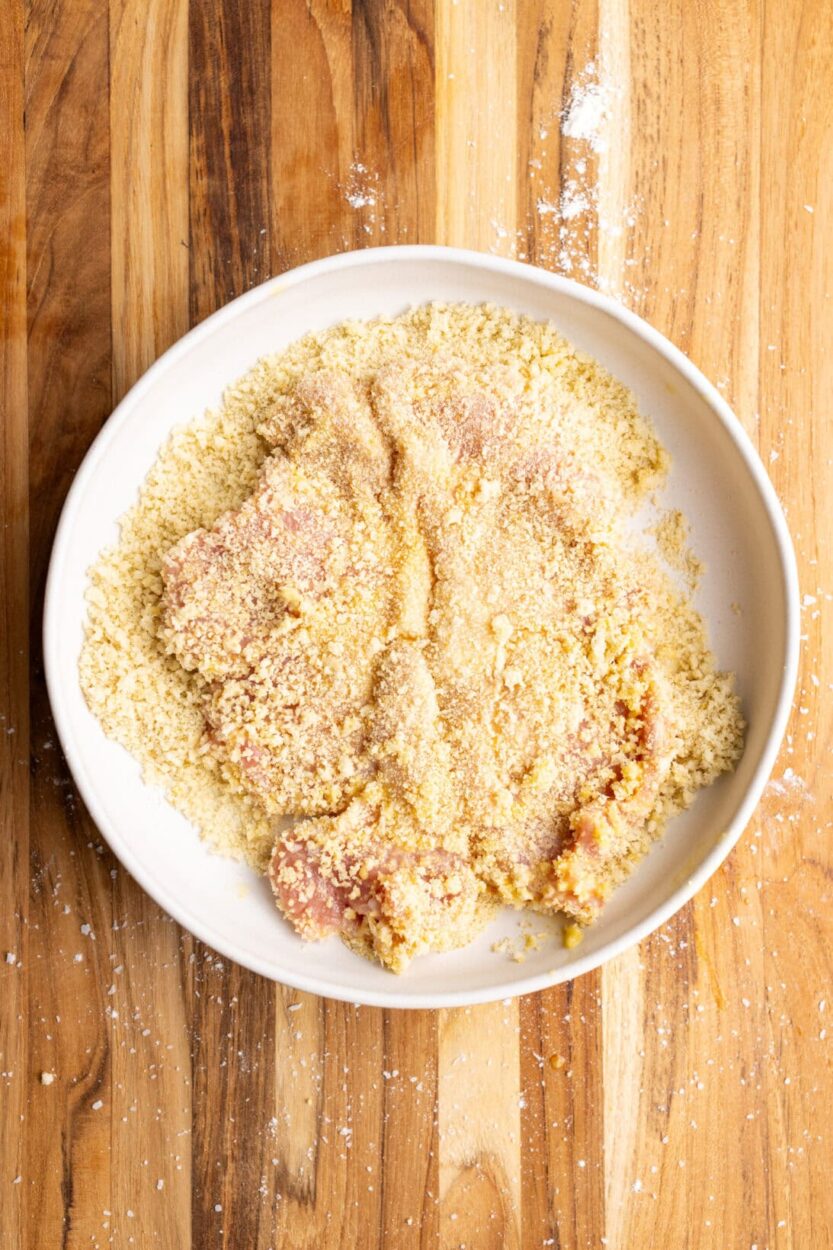
For an authentic Wiener Schnitzel, stick with veal and avoid any cheese or sauce additions. However, delicious variations include Schnitzel Holstein (topped with a fried egg and anchovies), or Schnitzel à la Cordon Bleu (stuffed with ham and cheese before breading). Chicken schnitzel offers a more budget-friendly option that’s equally delicious, and for those who love crispy, breaded proteins, you might also enjoy our Japanese Chicken Katsu, which shares similar techniques but with distinctly different flavors.
Make-ahead tip: You can bread the cutlets up to 4 hours in advance and refrigerate them on a wire rack. This actually helps the coating adhere better and results in an even crispier final product. Just bring them to room temperature for 15 minutes before frying.
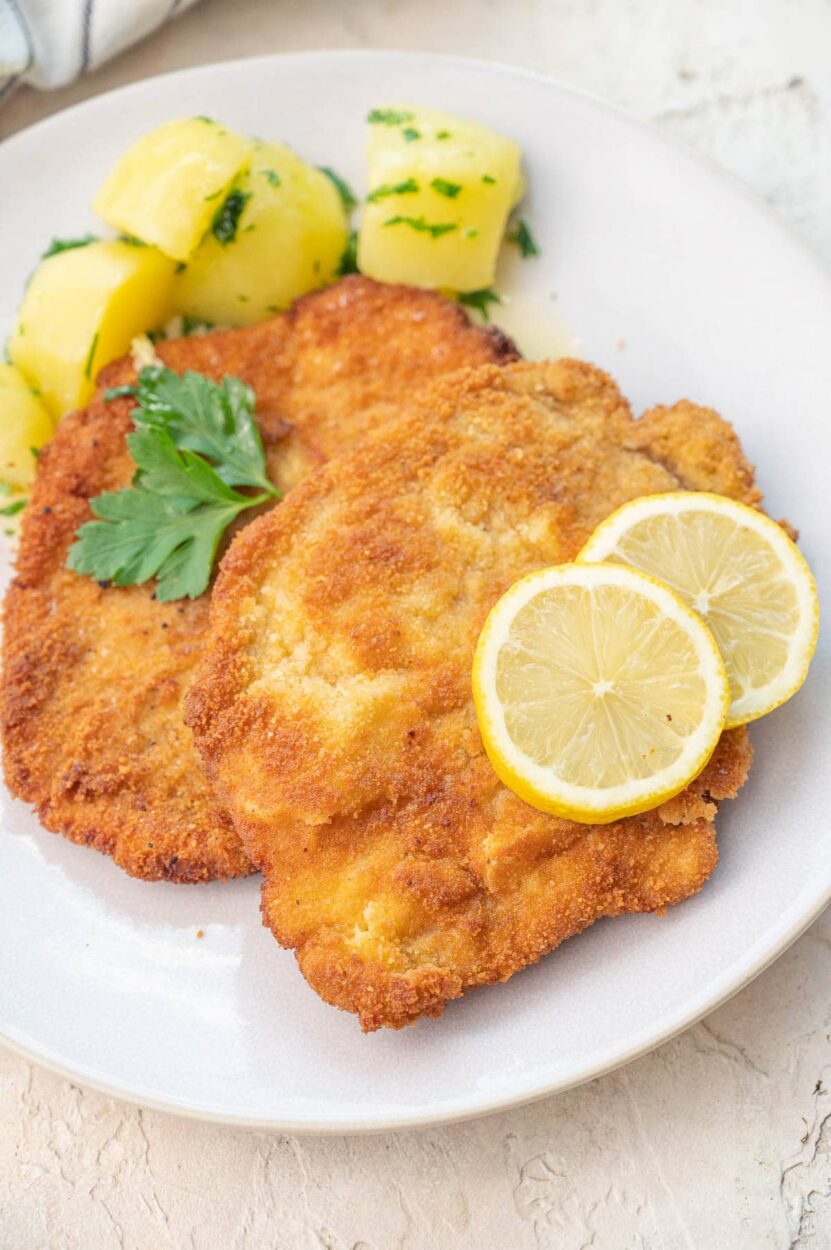
For the ultimate indulgent experience, serve your schnitzel with traditional accompaniments like warm potato salad, buttery spaetzle, or crispy roasted potatoes. The rich, comforting nature of schnitzel pairs beautifully with other hearty European dishes, much like how our Beef Bourguignon captures that same soul-warming, restaurant-quality satisfaction.
Nutritional Highlights
While German Schnitzel is undeniably indulgent, it also provides substantial nutritional value that makes it a satisfying, complete meal. The protein content is impressive, with each serving delivering around 45 grams of high-quality protein that supports muscle maintenance and keeps you feeling satisfied for hours. According to culinary experts, the key to lighter schnitzel lies in proper frying technique – when the oil is at the correct temperature, the coating actually seals quickly, preventing excess oil absorption. The breadcrumb coating, while adding calories, also provides B vitamins and creates that satisfying texture that makes this dish so memorable. When paired with a fresh salad or steamed vegetables, schnitzel becomes part of a balanced meal that delivers both comfort and nutrition. Professional chefs note that homemade schnitzel often contains fewer preservatives and sodium than restaurant versions, giving you better control over the nutritional profile while maximizing flavor.
Frequently Asked Questions
Can I make German Schnitzel ahead of time?
Yes, you can prepare schnitzel in advance, but timing matters for optimal results. You can bread the cutlets up to 4 hours ahead and refrigerate them on a wire rack, which actually helps the coating adhere better. However, for the crispiest results, fry them just before serving. If you need to reheat cooked schnitzel, place them on a wire rack over a baking sheet in a 350°F oven for 5-8 minutes to restore crispiness, avoiding the microwave which will make the coating soggy.
What can I substitute for veal in this recipe?
Pork loin is the most traditional substitute and delivers excellent flavor and texture when pounded thin. Chicken breast (pounded thin) works wonderfully and is more budget-friendly, while turkey cutlets offer a leaner option. For each protein, the key is ensuring even thickness and proper pounding technique. Avoid using thick cuts or tough meat, as the quick cooking method won’t have time to break down connective tissue.
How do I store leftover German Schnitzel?
Store leftover schnitzel in an airtight container in the refrigerator for up to 3 days. To reheat while maintaining crispiness, place on a wire rack over a baking sheet and heat in a 350°F oven for 8-10 minutes until warmed through and crispy. You can also slice cold leftover schnitzel for sandwiches – it’s delicious on crusty bread with mustard and pickles. Avoid freezing breaded schnitzel as the coating tends to become soggy when thawed.
Conclusion
This German Schnitzel recipe transforms your kitchen into a European gastropub, delivering that perfect combination of crispy, golden coating and tender, juicy meat that makes this dish a true comfort food classic. With proper technique and attention to those crucial details – from the three-stage breading to temperature control – you’ll create restaurant-quality results that rival any authentic German restaurant.
The satisfaction of cutting into that perfectly crispy crust to reveal the succulent meat within is unmatched, and the rich, buttery flavors enhanced by bright lemon make every bite a celebration. Whether you’re introducing your family to this classic dish or perfecting your own schnitzel technique, this recipe will quickly become a cherished addition to your repertoire.
We’d love to hear about your schnitzel success! Share your photos and any delicious variations you discover, and don’t forget to save this recipe for your next craving for authentic German comfort food.
Find the complete recipe card below ↓
German Schnitzel
Equipment
- Large skillet
- Meat mallet
- 3 shallow dishes
- Paper towels
- Wire rack
Ingredients
- 4 veal cutlets or pork loin, pounded to 1/4-inch thickness
- 1 cup all-purpose flour seasoned with salt and pepper
- 3 large eggs beaten
- 2 tablespoons heavy cream
- 2 cups fine breadcrumbs preferably fresh
- 1/2 cup vegetable oil for frying
- 4 tablespoons butter
- 2 lemons cut into wedges
- 1 teaspoon salt
- 1/2 teaspoon black pepper freshly ground
- 2 tablespoons fresh parsley chopped, for garnish
Instructions
- Place cutlets between plastic wrap and pound to 1/4-inch thickness using the flat side of a meat mallet. Season both sides with salt and pepper.
- Set up three shallow dishes: seasoned flour in first, beaten eggs mixed with cream in second, and breadcrumbs in third.
- Dredge each cutlet in flour, shaking off excess, then dip in egg mixture, and finally coat thoroughly with breadcrumbs, pressing gently to adhere.
- Heat oil and 2 tablespoons butter in a large skillet over medium-high heat until shimmering and hot.
- Carefully place breaded cutlets in the hot oil, cooking 2-3 minutes per side until golden brown and cooked through.
- Transfer to a paper towel-lined plate to drain briefly, then move to serving plates.
- Wipe the skillet clean, add remaining butter, and heat until it turns golden brown and nutty.
- Drizzle the brown butter over the schnitzel and serve immediately with lemon wedges and fresh parsley.