

When Summer Heat Demands Something Cold, Bold, and Absolutely Alive
There is a moment every summer — usually somewhere around the third consecutive day of sweltering heat — when turning on a stove feels like a personal offense. You want something cold, but not in the way a sad iceberg salad is cold. You want something intensely flavored, deeply satisfying, and vibrant enough to actually wake up your appetite. That’s exactly when chilled gazpacho walks into the room and changes everything.
This is the soup that Spain has been perfecting for centuries, and for good reason. Born in the sun-scorched fields of Andalusia, gazpacho was never meant to be a delicate little starter — it was fuel for laborers, built from whatever was ripe and abundant in the garden, blended into something refreshing and restorative. The version we’re making here honors that spirit completely: ripe, heavy tomatoes at their peak sweetness, cucumber so fresh it almost squeaks, roasted red pepper for depth and smokiness, a glug of the best olive oil you own, and a sharp vinegar finish that makes your whole mouth sit up and pay attention. This is not a wimpy soup. This is a statement.
What makes this recipe truly special isn’t complexity — it’s restraint and quality. You’re not cooking anything. You’re trusting the ingredients to do the heavy lifting, which means every single one needs to be excellent. Use the tomatoes you bought at the farmers market. Use the olive oil you’ve been saving for a special occasion. Blend it smooth, chill it hard, and garnish it like you mean it. The result? A bowl of chilled gazpacho so good, so bracingly cold and flavor-packed, that you’ll find yourself making batch after batch all season long.
Why You’ll Love This Recipe
- Zero cooking required. No stove, no oven, no heat — just a blender and about 20 minutes of hands-on time. This is peak summer cooking.
- Intensely bold flavor. We’re talking layers — sweet tomato, sharp garlic, smoky roasted pepper, grassy olive oil, and bright sherry vinegar all working in perfect harmony.
- It gets better with time. Make it the night before and the flavors deepen and meld into something even more complex and satisfying.
- Endlessly customizable. Smooth and silky or chunky and rustic, spicy or mild, classic or dressed up with luxe toppings — this recipe bends to what you’re craving.
- Genuinely impressive. Serve this at a dinner party in small glasses as an amuse-bouche and watch every single guest ask you for the recipe.
- Light but satisfying. It’s rich-tasting thanks to the olive oil, but it’s packed with vegetables and keeps you feeling amazing — not heavy — in the heat.
Key Ingredients That Make This Gazpacho Extraordinary
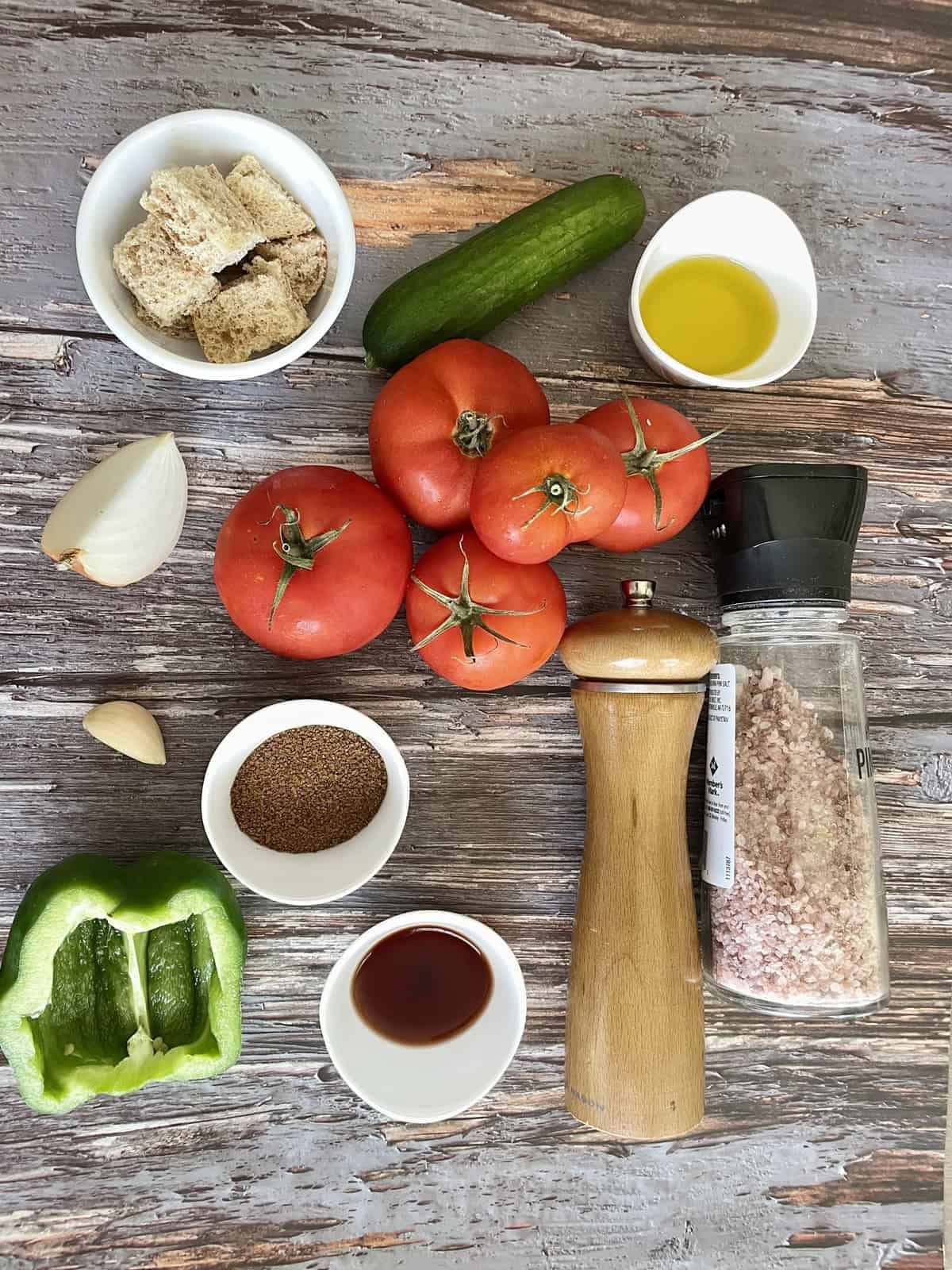
The soul of any great chilled gazpacho begins and ends with the tomatoes. This is not a recipe where you can use a pale, out-of-season tomato from the grocery store and expect magic. You need ripe, heavy, deeply red tomatoes — heirlooms, Roma, beefsteak, or vine-ripened all work beautifully. The tomato is contributing both the body and the dominant flavor, so its quality is non-negotiable. Roam your farmers market, squeeze a few, smell them, and pick the ones that smell like a summer garden.
Next comes the roasted red pepper, which is the ingredient most people skip in a basic gazpacho and the one that most separates a good version from an unforgettable one. Roasted red pepper adds a subtle smokiness and sweetness that rounds out the sharp acidity of the tomato, giving the soup a depth that feels almost meaty and complex. You can roast your own for maximum flavor, or use a quality jarred version — just make sure to pat them dry before blending.
Sherry vinegar is the acid that electrifies this entire soup. Regular red wine vinegar works in a pinch, but sherry vinegar has a nutty, slightly caramel quality that is absolutely iconic in authentic Andalusian gazpacho. Just a couple of tablespoons lifts everything and makes the flavors pop with a brightness that’s addictive. As Serious Eats explains in their deep dive on gazpacho technique, the right vinegar-to-oil ratio is what separates a flat soup from one that sings.
The garlic deserves mention because in gazpacho, it’s raw and blended in — which means it contributes a pungency that can be polarizing if overdone or transcendent when measured correctly. One to two cloves is typically enough to give that savory backbone without overwhelming the other flavors. If you’re sensitive to raw garlic’s bite, let the blended soup rest in the fridge for a few hours — the sharpness mellows beautifully as it chills.
Finally, the extra-virgin olive oil is what gives this soup its richness and body. You’re essentially emulsifying it into the soup as it blends, creating a silkiness that makes chilled gazpacho feel genuinely indulgent rather than like a glass of cold vegetable juice. Use the best EVOO you can reasonably afford here — its grassy, peppery finish is something you will absolutely taste in every sip. This is the fat that makes everything luscious, so don’t hold back.
Pro Tips & Variations to Take Your Gazpacho Further
Chill everything before you blend. This is the single most overlooked technique in gazpacho-making. If your tomatoes, cucumber, and pepper are already cold from the refrigerator, your finished soup will be noticeably colder and crisper without needing to dilute it with ice. Pop your vegetables in the fridge the night before if you can.
Blend in stages for maximum emulsification. Start by blending the tomatoes and garlic first until smooth, then stream in the olive oil while the blender is running — just like making a vinaigrette. This technique creates an incredibly silky, emulsified texture rather than a separated, watery soup. According to Bon Appétit’s classic gazpacho recipe, this slow olive oil incorporation is the key to that restaurant-quality mouthfeel.
Strain it for elegance. If you want a truly refined, silky-smooth gazpacho suitable for serving in shot glasses or as an upscale starter, pass the blended soup through a fine-mesh sieve. You’ll lose some of the fiber but gain a velvety texture that feels genuinely luxurious.
Don’t skip the bread (optional but incredible). Traditional gazpacho often includes a slice of stale white bread soaked in water and blended in — it adds body and a creamy thickness without making the soup heavy. If you want a more substantial, slightly thicker consistency, try it with a 1-inch slice of good sourdough or white bread, crust removed, soaked briefly in cold water and squeezed dry before blending.
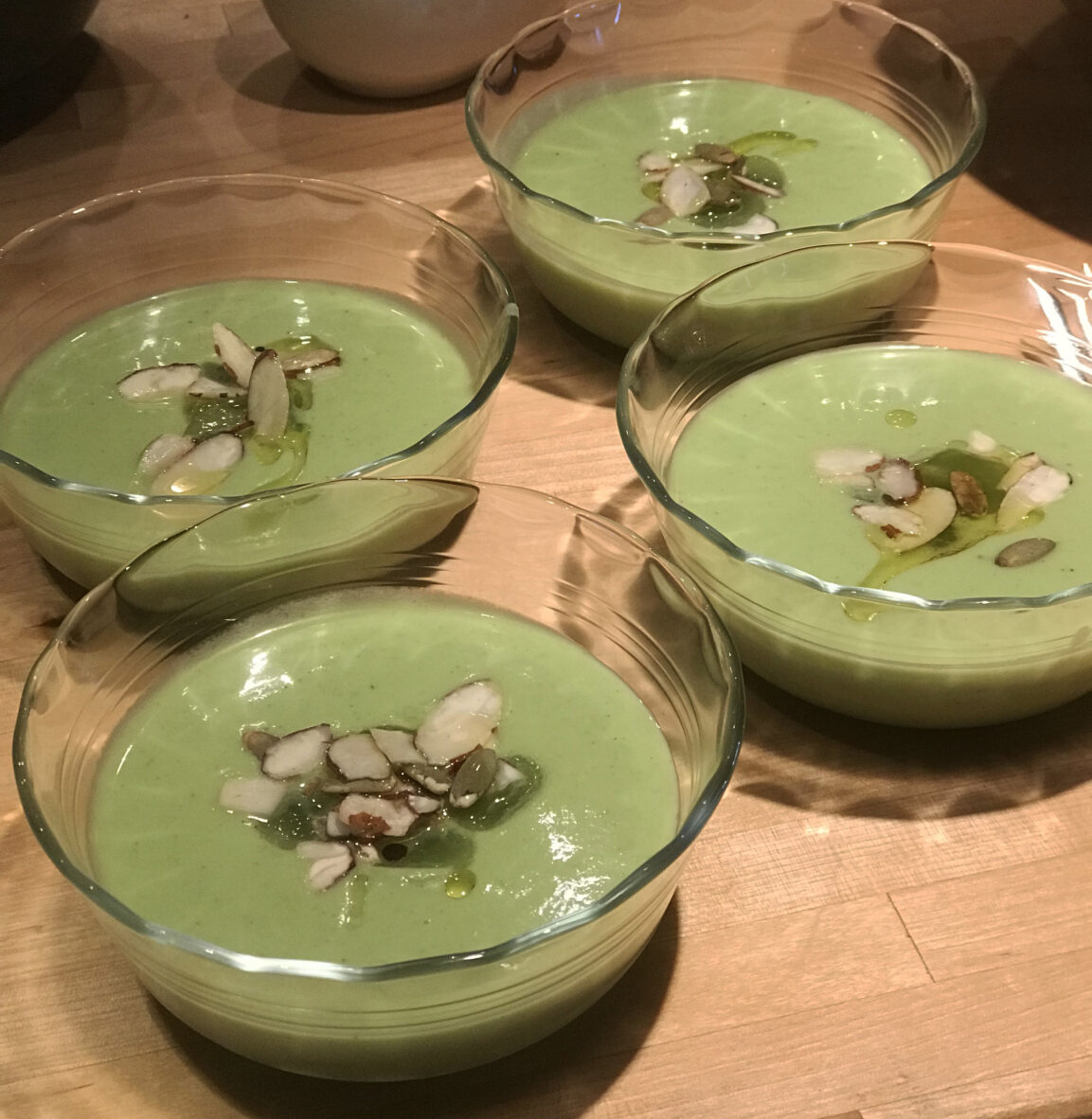
The garnish game matters. Chilled gazpacho is a blank canvas for toppings that add contrasting texture and temperature. Think finely diced cucumber, tiny croutons fried in olive oil until golden and crunchy, halved cherry tomatoes, a tangle of fresh basil, a drizzle of your best EVOO, or even a few drops of hot sauce. For a truly indulgent, restaurant-worthy touch, top with a spoonful of whipped burrata or a few torn pieces of fresh mozzarella — the creamy dairy against the acidic cold soup is extraordinary.
Make it spicy. Add half a jalapeño or a pinch of cayenne to the blender for a version with serious heat. The cold temperature of the soup actually makes spice feel exhilarating rather than overwhelming — it’s a thrilling contrast.
Try a watermelon variation. Replace about one-third of the tomatoes with seedless watermelon for a sweet, summery twist that’s become a modern classic. It pairs beautifully with mint and feta as garnishes, and the color is absolutely stunning. If you love frozen summer recipes with bold fruit flavors, our Watermelon Lime Granita shares that same electric summer energy and makes a perfect dessert to serve alongside.
Serve it right. Temperature is everything with gazpacho. Serve it as cold as possible — ideally below 40°F. Chill your serving bowls in the freezer for 10 minutes before ladling, and serve immediately. A warm bowl will take the edge off the cold faster than you’d think.
If you love bold, produce-forward recipes that celebrate fresh vegetables at their peak, you’ll find a kindred spirit in our Healthy Thai Papaya Salad Som Tam — another recipe where the freshness of the ingredient is the entire point, and bold flavor is delivered without any cooking at all.
Nutritional Highlights
One of the quietly beautiful things about chilled gazpacho is that it manages to taste deeply indulgent while being genuinely nourishing. Each serving delivers a meaningful hit of lycopene from the tomatoes — a powerful antioxidant that becomes even more bioavailable when blended — along with vitamin C, vitamin A, and potassium from the peppers and cucumber. The olive oil, while adding richness and calories, contributes heart-healthy monounsaturated fats that actually help your body absorb the fat-soluble vitamins in the vegetables. Garlic brings allicin, long celebrated for its immune-supporting properties. This is a soup that genuinely earns its reputation as a health food, but it tastes like anything but diet food — the olive oil ensures a satisfying richness, and the vinegar gives it that addictive, mouth-watering quality that keeps you coming back for more. At roughly 160 calories per serving, it’s one of the most flavorful ways to eat light all summer. For more fresh, nourishing recipes that never sacrifice flavor, our Roasted Chickpea Hummus Bowl hits that same sweet spot of wholesome and crave-worthy.
Frequently Asked Questions
Can I make chilled gazpacho ahead of time?
Absolutely — and in fact, you should. Chilled gazpacho is one of those rare recipes that is genuinely better on day two than day one. As the soup sits in the refrigerator, the flavors meld and deepen, the garlic mellows from sharp to savory, and the olive oil fully integrates into the base. Make it up to 24 hours ahead, store it covered in the refrigerator, and give it a good stir or a quick blend before serving. It keeps well for up to three days, though the color may darken slightly over time as the tomatoes oxidize. For best results, add your fresh garnishes just before serving.
What’s the best type of tomato to use for gazpacho?
The best tomato for gazpacho is simply the ripest, most flavorful one you can find at the moment you’re making it. In peak summer, vine-ripened or heirloom tomatoes are extraordinary — their high sugar content and complex flavor translate directly into the soup. Roma tomatoes are a reliable year-round option because they have a lower water content and concentrated flavor, which keeps the soup from becoming too thin. Cherry tomatoes also work beautifully and tend to be sweeter and more consistently flavorful even out of peak season. The one thing to absolutely avoid is a pale, underripe, cottony-textured tomato — no amount of vinegar or olive oil will save a gazpacho built on bad tomatoes. If good fresh tomatoes aren’t available, high-quality canned whole San Marzano tomatoes are an acceptable and surprisingly delicious substitute.
How do I store leftover gazpacho and how long does it last?
Store leftover chilled gazpacho in an airtight container or a tightly covered pitcher in the refrigerator. It will keep well for up to 3 days. Because gazpacho is a raw, blended vegetable soup with vinegar as a natural preservative, it holds up quite well — just expect the color to deepen and the garlic flavor to mellow as time passes. Before serving leftovers, give the soup a vigorous stir or a 10-second pulse in the blender to re-emulsify the olive oil, which may separate to the surface as it sits. Do not freeze gazpacho — the high water content of the tomatoes and cucumber causes the texture to become grainy and unpleasant once thawed. Freshly made and chilled is always the goal.

Make It, Chill It, Share It
Chilled gazpacho is one of summer’s greatest gifts — a dish that asks almost nothing of you and delivers everything in return. Bold tomato flavor, that silky olive oil richness, the sharp vinegar pop, the cool temperature on a hot day — every element is designed to make you feel like the season is exactly as good as it should be. It’s a recipe worth making once out of curiosity, and then making every week because you can’t stop thinking about it.
We would absolutely love to see your gazpacho. Whether you went classic and smooth, loaded up on toppings, or tried the watermelon variation, share your photos and tag us — nothing makes our day quite like seeing these recipes come to life in your kitchens. And if you loved this one, save it, pin it, and pass it along to whoever in your life is melting in the summer heat and looking for a reason to smile.
Find the complete recipe card below ↓

Chilled Gazpacho
Equipment
- High-powered blender
- Fine-mesh sieve
- Large bowl or pitcher
- Chef's knife and cutting board
- Measuring cups and spoons
Ingredients
For the Gazpacho
- 2 lbs ripe tomatoes heirloom, Roma, or vine-ripened, roughly chopped
- 1 large English cucumber peeled, roughly chopped, reserve a small amount for garnish
- 1 medium roasted red pepper jarred or freshly roasted, patted dry
- 1 small red onion roughly chopped
- 1-2 cloves garlic peeled
- 2 tablespoons sherry vinegar or good red wine vinegar
- 1/3 cup extra-virgin olive oil best quality you have, plus more to garnish
- 1 teaspoon fine sea salt plus more to taste
- 1/2 teaspoon freshly ground black pepper
- 1/2 teaspoon smoked paprika optional, enhances the smoky depth
- 1-2 teaspoons honey or sugar optional, only if tomatoes are under-ripe or too acidic
For Garnish
- 1/4 cup cucumber very finely diced
- 1/4 cup cherry tomatoes halved
- 2 tablespoons extra-virgin olive oil for drizzling
- 4 small fresh basil leaves or micro herbs for serving
- 1/2 cup small croutons optional, fried in olive oil until golden
Instructions
Prep and Blend
- Roughly chop the tomatoes, cucumber, roasted red pepper, and red onion into large chunks. If time allows, place them in a bowl, toss with the salt, and let them sit for 15 minutes — this draws out juices and intensifies the flavor.
- Add the tomatoes and garlic to a high-powered blender first. Blend on high for 30 seconds until broken down and smooth.
- Add the cucumber, roasted red pepper, and red onion. Blend again until very smooth, about 60 seconds.
- With the blender running on medium speed, slowly stream in the extra-virgin olive oil through the lid opening. Blend for another 30 seconds until fully emulsified and silky.
- Add the sherry vinegar, black pepper, and smoked paprika (if using). Blend briefly to combine. Taste carefully and adjust — add more salt, vinegar, or a touch of honey if the tomatoes are too acidic.
Strain and Chill
- For a smooth, restaurant-quality texture, pour the blended soup through a fine-mesh sieve into a large bowl or pitcher, pressing down with a spatula to extract all the liquid. Skip this step if you prefer a more rustic, slightly textured soup.
- Cover the bowl or pitcher tightly with plastic wrap and refrigerate for a minimum of 2 hours, or ideally overnight. The soup must be very cold before serving — aim for below 40°F.
Serve
- When ready to serve, chill your serving bowls in the freezer for 10 minutes. Give the gazpacho a good stir to re-emulsify.
- Ladle the chilled gazpacho into the cold bowls. Top with finely diced cucumber, halved cherry tomatoes, a generous drizzle of your best olive oil, fresh basil or micro herbs, and croutons if using.
- Serve immediately while the soup is as cold as possible. Offer extra sherry vinegar and salt at the table.