

The Dip That Changes Everything
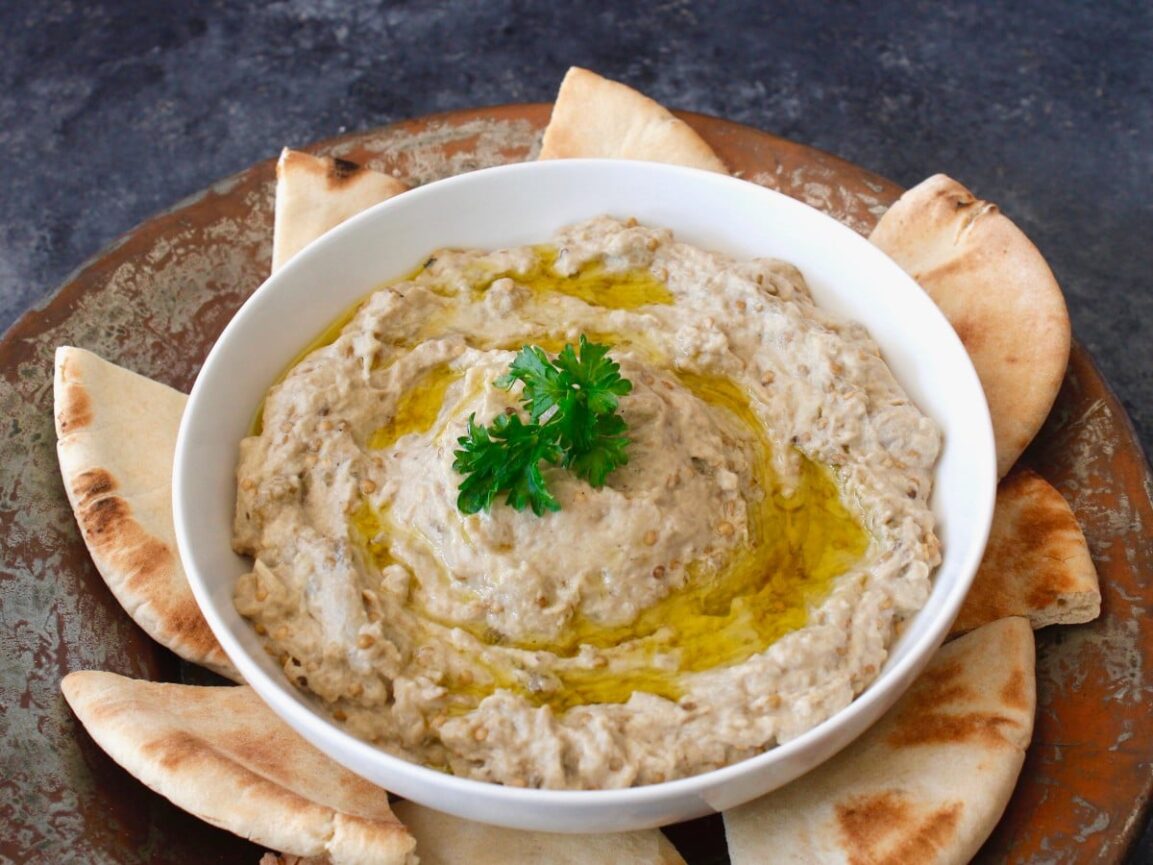
There is a moment — and if you’ve experienced it, you know exactly what I’m talking about — when you drag a warm piece of pita through a bowl of truly great Baba Ganoush and your eyes close involuntarily. It’s smoky in a way that feels almost primal, like food cooked over an open fire on a summer evening. It’s creamy without being heavy, rich without being greedy, and layered with a depth of flavor that you simply cannot fake with shortcuts. This is that recipe. The one that earns you compliments every single time you serve it.
Baba Ganoush has been a cornerstone of Middle Eastern cuisine for centuries, and for good reason. At its heart, this dish is a study in transformation — a humble eggplant, charred until its skin blisters and blackens, surrenders its flesh to become something entirely different: silky, smoky, and almost custardy in texture. Mixed with tahini, lemon, garlic, and a generous pour of good olive oil, it becomes one of the most craveable dips on the planet. Restaurants charge good money for a small ramekin of this stuff, but the homemade version? It’s even better, and it costs almost nothing to make.
What sets a great Baba Ganoush apart from a mediocre one is all in the technique and the quality of what goes into the bowl. The char on the eggplant isn’t just for aesthetics — it’s everything. That smoky bitterness is the backbone of the entire dip, and skipping it or rushing it produces something flat and forgettable. Done right, this recipe delivers a restaurant-quality dip with a flavor complexity that will make you want to lick the bowl clean. Let’s make it properly.
Why You’ll Love This Recipe
- Unbeatable smoky depth: Charring the eggplant directly over a flame or under a broiler creates a haunting, complex smokiness you simply can’t replicate any other way.
- Silky, luxurious texture: The combination of properly roasted eggplant and rich tahini produces a dip that’s smooth, luscious, and completely addictive.
- Incredibly versatile: Serve it as a dip, spread it on sandwiches, dollop it alongside grilled meats, or use it as a base for a mezze platter.
- Naturally vegan and gluten-free: This is one of those dishes that satisfies everyone at the table without any compromise on flavor or richness.
- Make-ahead friendly: The flavors actually deepen and improve after a few hours in the fridge, making this ideal for entertaining.
- Simple, honest ingredients: No fancy equipment, no obscure pantry items — just quality produce and pantry staples elevated by good technique.
Key Ingredients
The star of the show is, of course, the eggplant — and not just any eggplant prepared any old way. Large globe eggplants with smooth, taut skin work best here. You want them heavy for their size, which signals moisture and freshness. The magic happens when the eggplant is exposed to intense, direct heat. The skin chars and collapses, and the interior flesh steams inside its own skin, becoming impossibly tender and infused with that signature smokiness. Skip this step and you lose the soul of the dish entirely.
Tahini is the second most important player, and quality matters enormously. A good tahini — made from stone-ground, hulled sesame seeds — should be pale, pourable, and slightly nutty with no bitterness. It’s what gives Baba Ganoush its creamy body and subtle richness. Cheap or old tahini can taste chalky and harsh, so reach for a well-reviewed Middle Eastern brand. Serious Eats has an excellent guide to the best tahini brands if you’re not sure what to look for.
Fresh garlic brings sharp, pungent heat that cuts through the richness of the eggplant and tahini. For a more mellow, rounded flavor, you can roast the garlic alongside the eggplant, but raw garlic gives the dip a lively, assertive edge that’s hard to beat. Fresh lemon juice is non-negotiable — it brightens every other flavor in the bowl, keeps the eggplant from tasting muddy, and adds a clean acidity that balances the fat of the tahini. Bottled lemon juice simply won’t do here; the freshness of real citrus makes an enormous difference.
Finally, a generous pour of extra-virgin olive oil — both mixed in and drizzled on top — elevates the whole dish. It adds fruity richness, creates a gorgeous sheen on the surface, and carries the other flavors. Use the best olive oil you own here; it will show. A pinch of smoked paprika dusted over the top right before serving adds a final whisper of warmth and a pop of color that makes the whole presentation sing.
Pro Tips & Variations
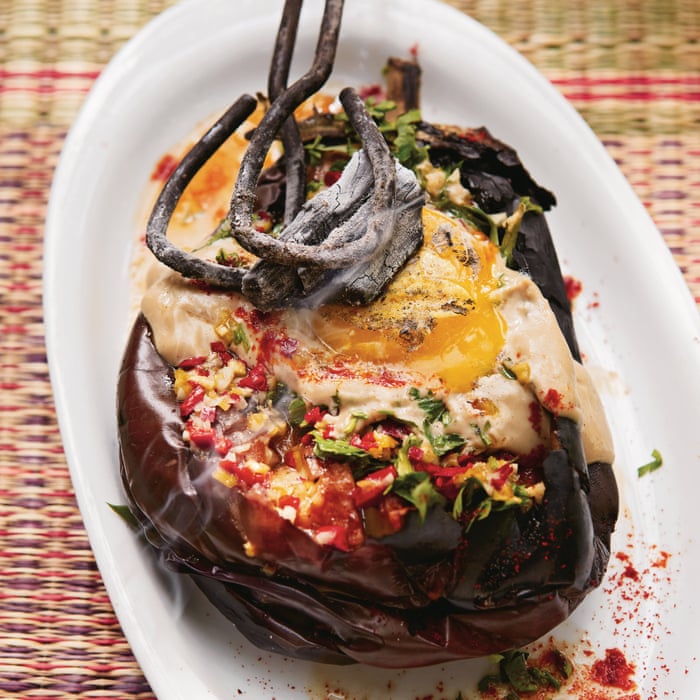
Char directly over the flame for maximum smokiness. If you have a gas stovetop, this is your best tool. Place the whole eggplant directly on the burner grate over a medium-high flame and turn it with tongs every few minutes until the entire surface is charred and the eggplant has completely collapsed — about 15 to 20 minutes. This is the method that delivers the deepest, most authentic smoke flavor. No gas stove? A broiler set to high, with the eggplant as close to the element as possible, is your next best option. Some people even use a kitchen torch for extra char on the skin before finishing in the oven.
Drain the eggplant thoroughly. After charring and peeling, the eggplant flesh releases a lot of liquid. Place it in a colander or fine-mesh strainer for at least 10 to 15 minutes, or gently press it in a clean kitchen towel to remove excess moisture. Skipping this step leads to watery, diluted Baba Ganoush that won’t hold its texture. This single tip is what separates a thick, creamy dip from a soupy disappointment.
Don’t over-process. Baba Ganoush is traditionally chopped or mashed rather than blended, which gives it a rustic, slightly chunky character. If you use a food processor, pulse briefly rather than blending smooth — you want texture, not hummus. Mashing with a fork produces the most authentic, satisfying result: creamy in places, with small bits of eggplant that remind you exactly what you’re eating.
Season assertively. Eggplant has a neutral, mild flavor that needs bold seasoning. Don’t be shy with the salt, lemon juice, and garlic. Taste as you go and adjust — the dip should feel lively and bright, not flat. A tiny pinch of cumin adds warmth and a touch of earthiness that complements the smokiness beautifully without overpowering it.
Variations worth exploring:
- Herbed Baba Ganoush: Fold in a handful of finely chopped fresh mint or flat-leaf parsley for a green, herby version that feels especially fresh and summery — a lovely contrast to the smoke. This pairs beautifully alongside a bright Caprese Salad on a Mediterranean-inspired spread.
- Spicy version: Add a teaspoon of harissa or a pinch of cayenne to the finished dip for a kick of heat that plays off the smokiness in a deeply satisfying way.
- Roasted garlic Baba Ganoush: Wrap a whole head of garlic in foil and roast it in the oven alongside the eggplant. Squeeze the soft, caramelized cloves into the dip for a sweeter, more mellow garlic presence.
- Pomegranate topped: Scatter pomegranate seeds over the finished dip for bursts of tartness and jewel-like color — a classic Lebanese presentation that’s as beautiful as it is delicious.
- Greek-style with yogurt: Stir in two tablespoons of full-fat Greek yogurt for extra creaminess and a subtle tang that takes the dip in a slightly different, equally irresistible direction. Epicurious has a wonderful Greek-inspired take on this classic if you’d like to explore that variation further.
Baba Ganoush is a natural star of any mezze spread, but it also shines as a component in a larger dinner party spread. If you’re building out a full table, consider a vibrant Cucumber Tomato Salad alongside it — the crisp, tangy freshness of that salad cuts perfectly through the richness of the dip. And if you’re hosting something heartier, this dip makes an extraordinary accompaniment to a slow-cooked Moroccan Lamb Tagine, where the smoky, creamy dip and the spiced, braised meat feel like they were always meant to be on the same table.
Nutritional Highlights
Baba Ganoush is one of those rare dips that feels indulgent but is genuinely packed with nutritional value. Eggplant is rich in fiber and antioxidants — particularly nasunin, a compound found in the skin that supports brain health. Tahini brings a significant dose of plant-based protein, healthy monounsaturated fats, and essential minerals like calcium, magnesium, and iron. The olive oil provides heart-healthy oleic acid, and the garlic contributes well-documented immune-supporting compounds. Each serving clocks in at around 160 calories, making it one of the most satisfying, nutrient-dense dips you can put on the table. It’s vegan, gluten-free, dairy-free, and loaded with real, whole ingredients — the kind of food that makes you feel as good as it tastes.
Frequently Asked Questions
Can I make Baba Ganoush ahead of time?
Absolutely — in fact, you should. Like many dips and spreads, Baba Ganoush genuinely improves with time as the flavors meld and deepen. You can make it up to 3 days in advance and store it in an airtight container in the refrigerator. Just give it a good stir before serving, taste and re-season if needed (the lemon can mellow over time), and let it come to room temperature for about 20 minutes before plating. Add the olive oil drizzle and garnishes fresh right before you serve for the best visual impact.
What’s the best way to char eggplant without a gas stove?
If you don’t have a gas burner, you have two excellent alternatives. First, use your oven’s broiler: place the whole eggplant on a foil-lined baking sheet, set the broiler to its highest setting, and position the rack as close to the heating element as possible. Broil, turning occasionally, until the skin is fully charred and blistered and the eggplant has collapsed — about 20 to 25 minutes. Second, you can use an outdoor grill over direct high heat, which actually produces spectacular results and the deepest smoke flavor of all methods. Whatever you do, avoid simply roasting the eggplant at standard oven temperature — without direct, intense heat, you won’t get the char that gives Baba Ganoush its defining character.
My Baba Ganoush tastes bitter — what went wrong?
Bitterness in Baba Ganoush almost always comes from one of two sources: over-charring (where you’ve gone past the blackened skin into the flesh itself, which becomes acrid), or low-quality tahini that has turned or was never good to begin with. To fix the first issue, make sure you’re peeling off every bit of charred skin and not scraping too aggressively — only the soft, pale flesh should make it into the bowl. For the tahini issue, taste it on its own before using it. Good tahini should taste nutty and slightly bitter in a pleasant way, but never harsh or metallic. Adding a little extra lemon juice and salt often helps balance mild bitterness. A generous drizzle of high-quality olive oil on top also smooths out any rough edges beautifully.
Make It, Share It, Crave It Again
Baba Ganoush is one of those recipes that quietly becomes a staple in your life — the thing your friends ask you to bring to every gathering, the dip that disappears from the bowl within minutes, the dish that earns you a reputation as someone who truly knows how to cook. Once you’ve made it properly, with the deep char and the silky texture and the right balance of lemon and garlic and tahini, you’ll understand why this humble eggplant dip has been beloved across the Middle East and beyond for generations. It’s more than a dip. It’s an experience.
If you make this recipe, please share it — leave a comment below telling me how it went, tag us on social media, and save this post for the next time you need to impress a crowd with minimal effort and maximum flavor. This is the kind of recipe worth passing on.
Find the complete recipe card below ↓
Baba Ganoush
Equipment
- Gas stovetop burner or broiler
- Tongs
- Colander
- Large mixing bowl
- Fork
- Citrus juicer
Ingredients
- 2 large globe eggplants about 2 lbs total
- 3 tablespoons tahini good quality, well-stirred
- 3 tablespoons fresh lemon juice from about 1.5 lemons
- 2 cloves garlic minced or pressed
- 3 tablespoons extra-virgin olive oil plus more for drizzling
- 3/4 teaspoon kosher salt plus more to taste
- 1/4 teaspoon ground cumin optional but recommended
- 1/4 teaspoon smoked paprika for garnish
- 2 tablespoons fresh flat-leaf parsley finely chopped, for garnish
- 2 tablespoons pomegranate seeds optional, for garnish
Instructions
- Char the eggplant: If using a gas stovetop, place whole eggplants directly on the burner grate over medium-high flame. Cook, turning with tongs every 3 to 4 minutes, until the entire skin is charred and blistered and the eggplant has completely collapsed and feels soft throughout — about 15 to 20 minutes. If using a broiler, place eggplants on a foil-lined baking sheet under the highest broiler setting, as close to the element as possible, turning every 5 minutes until fully charred and collapsed, about 20 to 25 minutes.
- Rest and drain: Transfer the charred eggplants to a colander set over a bowl and let them cool until safe to handle, about 10 to 15 minutes. This also allows excess liquid to drain away.
- Peel: Using your hands or a spoon, peel off and discard all of the charred skin. Be thorough — any remaining charred skin can add bitterness. You should be left with soft, pale, smoky eggplant flesh.
- Remove excess moisture: Gently press the eggplant flesh in a clean kitchen towel or against the sides of the colander to remove as much liquid as possible. Let it drain for an additional 5 minutes. This step is critical for a thick, creamy (not watery) dip.
- Mash and mix: Transfer the eggplant flesh to a large bowl. Add the tahini, fresh lemon juice, minced garlic, olive oil, salt, and cumin if using. Use a fork to mash and stir everything together, leaving some texture — do not blend it completely smooth. Taste and adjust salt and lemon juice as needed.
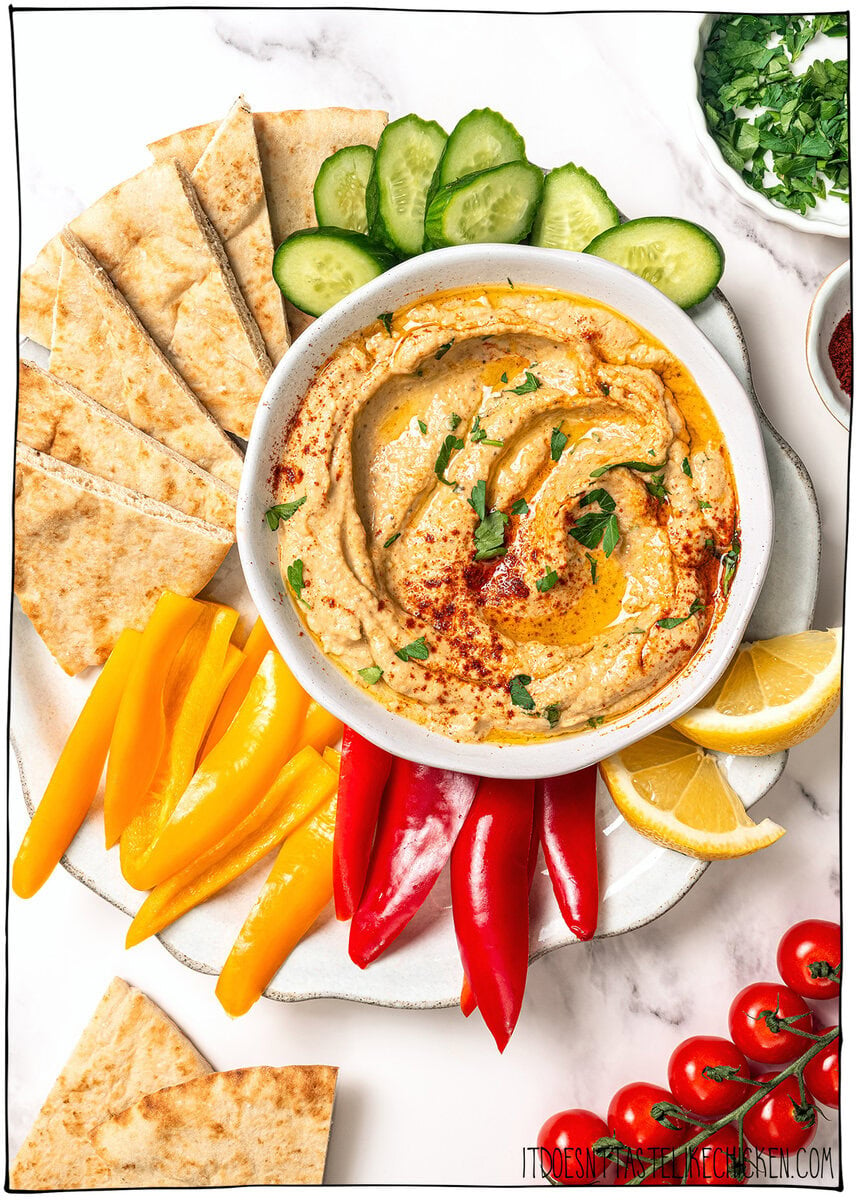
- Plate and garnish: Spread the Baba Ganoush into a wide shallow bowl, using the back of a spoon to create swoops and divots. Drizzle generously with extra-virgin olive oil. Sprinkle with smoked paprika, chopped parsley, and pomegranate seeds if using. Serve immediately with warm pita bread, crackers, or raw vegetables.