

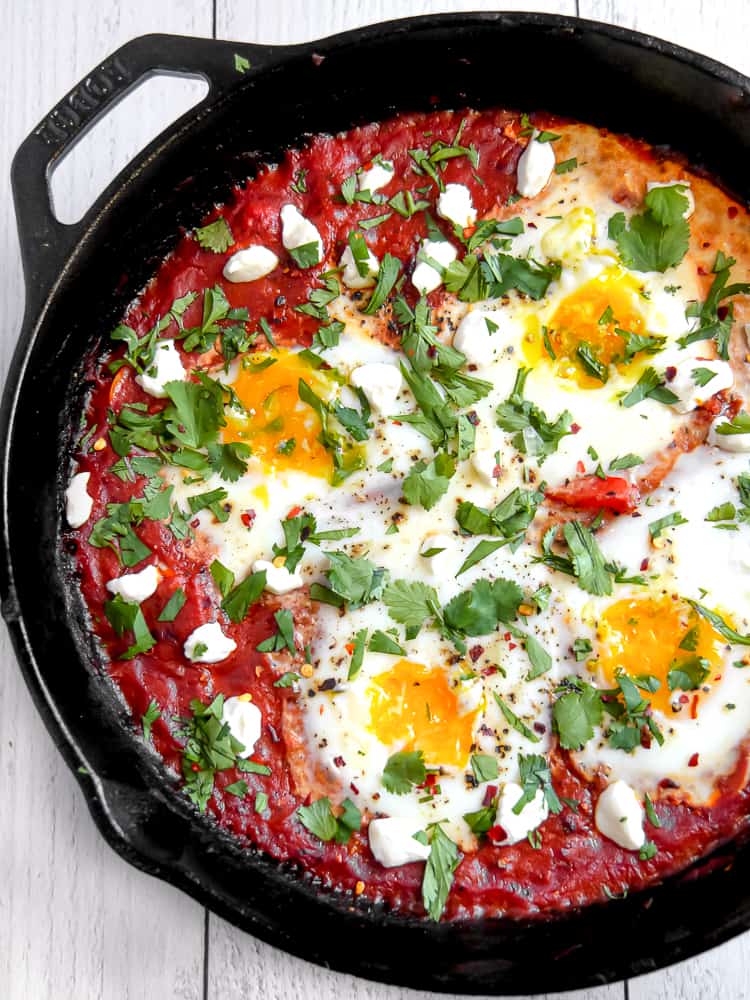
There’s something utterly hypnotic about watching eggs slowly poach in a bubbling, crimson sea of spiced tomato sauce. The first time I encountered shakshuka at a bustling Tel Aviv café, I was mesmerized by the theatrical sizzle as the cast iron skillet arrived at my table, still bubbling with molten intensity. The rich, deeply spiced sauce had been simmering long enough to concentrate into something almost jammy, while the eggs sat like golden jewels with their whites just set and yolks gloriously molten. One bite revealed why this North African and Middle Eastern dish has conquered brunch menus worldwide – it’s pure, unadulterated comfort food that happens to be utterly sophisticated.
What makes shakshuka so irresistible isn’t just its Instagram-worthy presentation, though that certainly doesn’t hurt. It’s the way the dish builds layers of flavor through patient cooking, transforming humble ingredients into something restaurant-worthy. The sauce becomes the star here – a velvety, aromatic base that’s been coaxed into richness through proper technique and bold spicing. Unlike many egg dishes that rely on butter or cream for indulgence, shakshuka gets its luxurious mouthfeel from slow-cooked tomatoes and warming spices that bloom in olive oil. The result is a dish that feels both rustic and refined, simple enough for a weeknight dinner yet impressive enough to serve guests.
Why You’ll Love This Recipe
This shakshuka delivers restaurant-quality results that will have your kitchen smelling like the best Middle Eastern café. The secret lies in building the sauce properly – we’re not just heating canned tomatoes here, but creating a complex, deeply flavored base that’s been coaxed into jammy perfection. The spice blend of cumin, paprika, and cayenne creates warmth without overwhelming heat, while a touch of sugar balances the acidity and allows the tomatoes’ natural sweetness to shine.
Unlike many shakshuka recipes that rush the process, this version takes time to develop proper flavor depth. The onions are cooked until they’re almost caramelized, the garlic is bloomed in olive oil until fragrant, and the spices are toasted to release their essential oils. This foundation creates a sauce so rich and complex that you’ll want to eat it with a spoon – which makes it the perfect vehicle for those gloriously runny eggs.
The technique for the eggs themselves is foolproof once you understand the principle. We create little wells in the sauce, crack the eggs into each depression, then let the gentle heat of the simmering sauce cook the whites while keeping the yolks molten. It’s a more forgiving method than traditional poaching, and the eggs absorb some of that incredible sauce flavor as they cook.
Key Ingredients That Make the Difference
The foundation of exceptional shakshuka starts with high-quality canned tomatoes – specifically, whole San Marzano tomatoes that you’ll crush by hand. Unlike pre-crushed varieties, whole tomatoes maintain better texture and don’t break down into mush during the long simmer. The natural sugars in these tomatoes concentrate as they cook, creating that jammy consistency that makes shakshuka sauce so addictive. Fresh garlic and yellow onion provide the aromatic base, but they need proper cooking time to develop sweetness and lose any harsh bite.
The spice blend is what transforms this from simple tomato sauce into something extraordinary. Sweet paprika provides color and mild pepper flavor, while ground cumin adds earthy warmth. A pinch of cayenne pepper brings just enough heat to make things interesting without overwhelming the other flavors. The key is blooming these spices in olive oil before adding the tomatoes – this technique releases their essential oils and prevents any raw, dusty taste.
Fresh eggs with bright orange yolks are non-negotiable for proper presentation and flavor. Room temperature eggs work better than cold ones, as they cook more evenly in the sauce. The cheese element – traditionally feta or goat cheese – adds creamy richness and tangy contrast to balance the sweet, spiced tomatoes. Finally, fresh herbs like cilantro or parsley provide a bright, fresh finish that cuts through all that rich sauce.
Pro Tips & Variations
The most crucial technique for perfect shakshuka is patience with the sauce development. Many home cooks rush this step, but the difference between good and extraordinary shakshuka lies in allowing the sauce to reduce and concentrate properly. You want it thick enough that a spoon dragged across the bottom of the pan leaves a clear trail that takes a few seconds to fill back in. This consistency ensures the eggs won’t sink to the bottom and will cook evenly on top of the sauce.
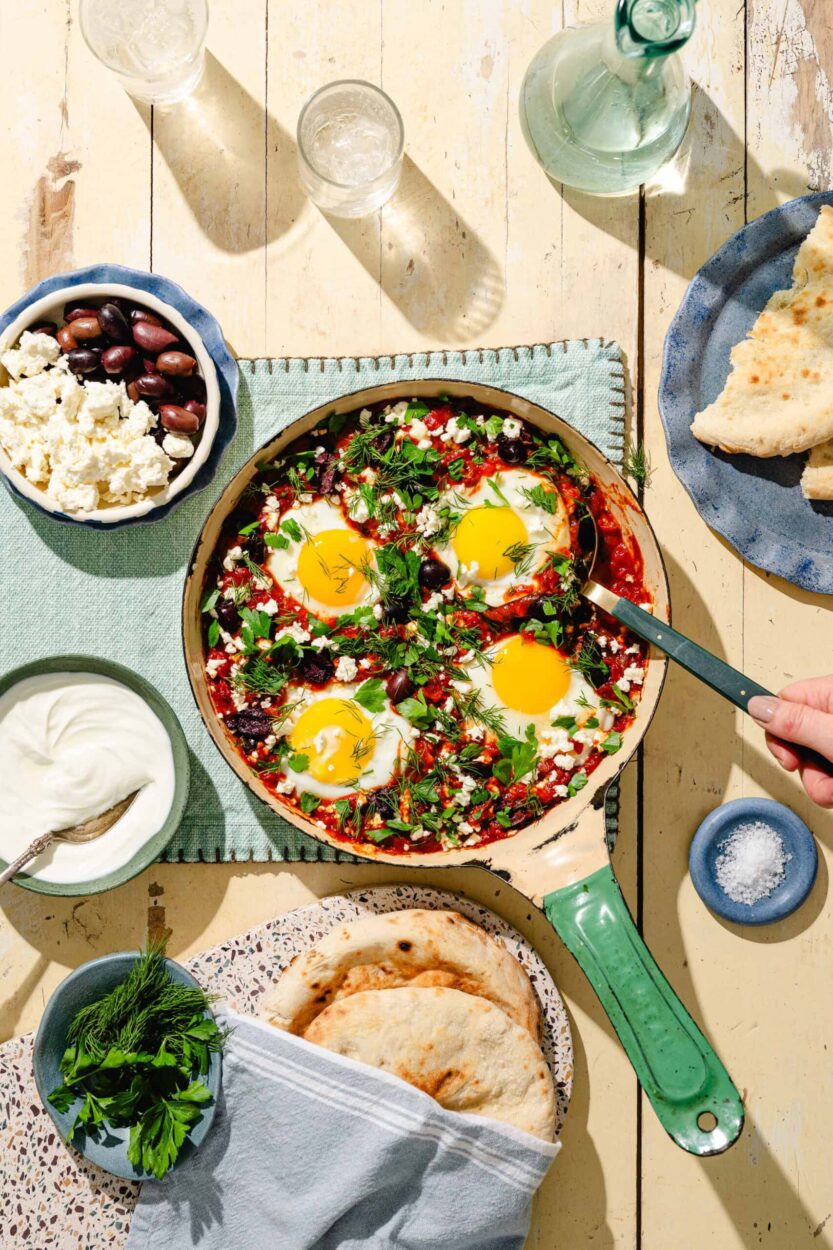
For the eggs, create distinct wells in the sauce using the back of a spoon, making sure each depression is large enough to contain an entire egg. Crack each egg into a small bowl first, then gently pour it into its well – this prevents broken yolks and gives you better control. If you prefer firmer yolks, cover the skillet with a lid during the last few minutes of cooking, or place the entire pan under the broiler briefly for more dramatic results.
Temperature control is everything for the final cooking stage. The sauce should be at a gentle simmer, not a rolling boil, when you add the eggs. Too much heat will create tough, rubbery whites, while too little won’t cook them properly. If your sauce starts bubbling too aggressively, reduce the heat and let it calm down before proceeding.
For variations that maintain the dish’s bold character, consider adding roasted red peppers for sweetness, or a handful of baby spinach that wilts into the sauce. Some cooks like to incorporate preserved lemons for tangy complexity, while others add a splash of red wine during the sauce-building stage. The beauty of shakshuka is its adaptability – just like how Mediterranean flavors can be adapted to different dishes, you can adjust the spice level and add-ins to suit your preferences while maintaining that essential rich, tomatoey base.
If you’re planning to serve this for a crowd, shakshuka scales beautifully. Use a larger skillet and increase the sauce ingredients proportionally, but keep in mind that more eggs means a longer cooking time. You can even make individual portions in small cast iron skillets for an impressive presentation that rivals any restaurant.
Nutritional Highlights
Beyond its incredible flavor, shakshuka offers impressive nutritional benefits that make it perfect for any meal of the day. The eggs provide complete protein and essential amino acids, while the tomato base delivers lycopene, vitamin C, and antioxidants that are actually more bioavailable when cooked than raw. The olive oil contributes healthy monounsaturated fats that help with nutrient absorption, and the spices like cumin and paprika offer anti-inflammatory compounds. Unlike many indulgent brunch dishes that rely heavily on refined carbs or processed meats, shakshuka gets its richness from whole food ingredients that actually nourish your body. Each serving provides substantial protein to keep you satisfied, while the vegetables contribute fiber and micronutrients. It’s comfort food that happens to be genuinely nutritious – a combination that’s harder to find than you might think.
Frequently Asked Questions
Can I make shakshuka ahead of time?
You can absolutely prepare the tomato sauce component up to 3 days in advance and store it in the refrigerator. In fact, the sauce often tastes even better after the flavors have had time to meld overnight. When ready to serve, simply reheat the sauce in your skillet until simmering, then proceed with adding the eggs. The eggs, however, should always be cooked fresh just before serving for the best texture and presentation. You can also freeze the sauce for up to 3 months, making this an excellent meal prep option.
What’s the best way to serve shakshuka and what should I serve it with?
Shakshuka is traditionally served directly from the cooking skillet with warm pita bread, crusty sourdough, or naan for scooping up the sauce and runny egg yolks. The bread is essential – you want something sturdy enough to handle that rich, thick sauce. Some people prefer to serve it over rice or with roasted vegetables on the side. Just like how Lebanese dishes benefit from thoughtful accompaniments, shakshuka pairs beautifully with a simple cucumber and tomato salad, olives, or fresh herbs like mint and parsley.
How do I prevent the eggs from overcooking or undercooking?
The key to perfectly cooked eggs in shakshuka is controlling the heat and timing carefully. The sauce should be at a gentle simmer, not a rolling boil, when you add the eggs. Cover the skillet with a lid if you want the whites to set faster, but remove it frequently to check progress. For runny yolks, the whites should be just set but still slightly jiggly – they’ll continue cooking from residual heat even after you remove the pan from the stove. If you’re nervous about timing, start checking the eggs after 8-10 minutes and every 2 minutes thereafter until they reach your desired doneness.

Conclusion
This shakshuka recipe proves that the most satisfying meals often come from the simplest ingredients treated with respect and proper technique. The magic happens in that patient building of flavors – the slow-cooked onions, the bloomed spices, the concentrated tomatoes that transform into something far greater than the sum of their parts. It’s a dish that connects you to centuries of Middle Eastern and North African cooking tradition while fitting perfectly into modern home kitchens.
Whether you’re serving this for weekend brunch, a cozy weeknight dinner, or an impressive meal for guests, shakshuka delivers the kind of bold, satisfying flavors that make people remember a meal long after they’ve finished eating. Don’t forget to have plenty of good bread on hand – you’ll want to savor every last drop of that incredible sauce. Save this recipe, share it with friends who appreciate real flavor, and prepare to add a new favorite to your regular rotation.
Find the complete recipe card below ↓
Shakshuka - Bold Middle Eastern Eggs in Rich Tomato Sauce
Equipment
- Large cast iron skillet
- Wooden spoon
- Small bowls
- Can opener
Ingredients
- 3 tablespoons extra virgin olive oil
- 1 large yellow onion diced
- 1 large red bell pepper diced
- 4 cloves garlic minced
- 1 teaspoon sweet paprika
- 1 teaspoon ground cumin
- 1/4 teaspoon cayenne pepper
- 1 can whole San Marzano tomatoes 28 oz, crushed by hand
- 1 teaspoon sugar
- 1 teaspoon kosher salt or to taste
- 1/2 teaspoon black pepper freshly ground
- 6 large eggs room temperature
- 1/2 cup feta cheese crumbled
- 1/4 cup fresh cilantro chopped
- 2 tablespoons fresh parsley chopped
Instructions
- Heat olive oil in a large cast iron skillet or heavy-bottomed pan over medium heat. Add the diced onion and red bell pepper, cooking for 8-10 minutes until softened and lightly caramelized, stirring occasionally.
- Add minced garlic, paprika, cumin, and cayenne pepper to the skillet. Cook for 1-2 minutes, stirring constantly, until the spices are fragrant and bloomed in the oil.
- Add the hand-crushed tomatoes with their juices, sugar, salt, and black pepper. Stir to combine and bring to a gentle simmer.
- Reduce heat to medium-low and let the sauce simmer for 15-20 minutes, stirring occasionally, until it has thickened considerably and you can draw a clear line with a spoon that takes a few seconds to fill back in.
- Taste and adjust seasonings as needed. Using the back of a spoon, create 6 wells in the sauce, spacing them evenly around the pan.
- Crack each egg into a small bowl, then gently pour into each well in the sauce. Season the eggs lightly with salt and pepper.
- Cover the skillet and cook for 8-12 minutes, or until the egg whites are set but the yolks are still runny. Remove the lid occasionally to check progress.
- Remove from heat and immediately sprinkle with crumbled feta cheese, fresh cilantro, and parsley. Serve directly from the skillet with warm pita bread or crusty bread for dipping.