

Lebanese Kafta Kebabs – Bold, Juicy Middle Eastern Perfection
There’s something magical that happens when aromatic Middle Eastern spices meet perfectly seasoned ground beef over an open flame. The sizzle, the intoxicating aroma of cumin and coriander dancing with caramelizing meat, the way the edges develop that coveted char while the interior stays impossibly juicy – this is what makes Lebanese Kafta Kebabs an absolute obsession. These aren’t just any kebabs; they’re a masterclass in flavor layering that transforms humble ground beef into something genuinely restaurant-worthy. What sets authentic kafta apart from ordinary kebabs is the careful balance of fresh herbs, warm spices, and technique that Lebanese cooks have perfected over generations. The meat mixture becomes silky and cohesive, almost paste-like, which creates that distinctive dense yet tender texture that holds beautifully on skewers. When you bite into a properly made kafta kebab, you get an explosion of parsley freshness, the warmth of seven-spice blend, and that deep, satisfying richness that only comes from high-quality beef cooked to perfection.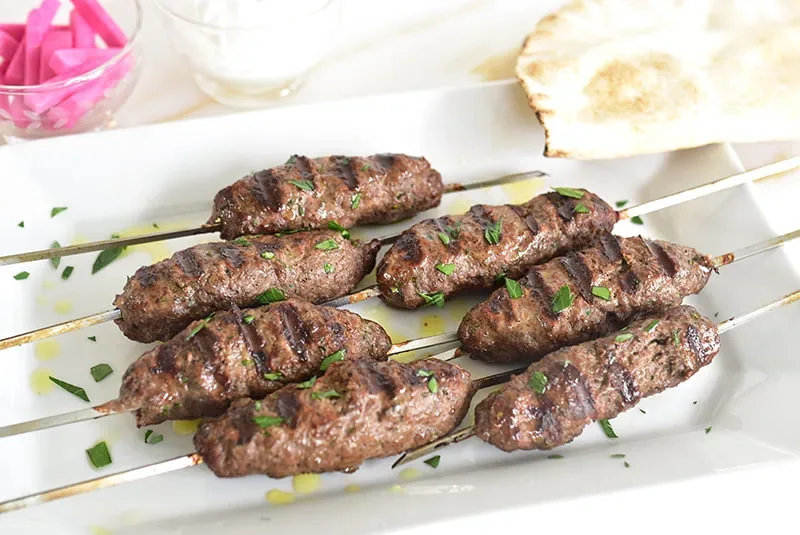
Why You’ll Love This Recipe
These Lebanese Kafta Kebabs deliver everything you want in comfort food: bold, unapologetic flavors that hit you from the first bite, a satisfying meaty texture that’s both substantial and refined, and that irresistible smokiness that can only come from proper grilling technique. Unlike many kebab recipes that can turn out dry or bland, this version stays incredibly juicy thanks to the perfect fat ratio and the binding power of grated onion and fresh herbs. The flavor profile is complex yet accessible – imagine the earthiness of cumin and coriander, the brightness of fresh parsley, the subtle heat from Aleppo pepper, all wrapped around perfectly seasoned beef that’s been worked to silky perfection. Each kebab develops a beautiful crust on the outside while maintaining that tender, almost creamy interior that makes kafta so addictive. What makes this recipe particularly special is how it brings restaurant-quality results to your home kitchen. The technique of properly mixing and shaping the meat, combined with the right cooking method, creates kebabs that rival anything you’d find at a high-end Lebanese restaurant. Plus, they’re incredibly versatile – perfect as the star of a mezze spread, tucked into warm pita with tahini sauce, or served alongside grilled vegetables for a complete feast.Key Ingredients That Make the Difference
The foundation of exceptional kafta starts with high-quality ground beef with the right fat content – ideally 80/20, which provides enough richness to keep the kebabs juicy while still holding their shape on the skewer. The meat needs to have enough fat to stay moist during the high-heat cooking process, but not so much that it falls apart. Fresh flat-leaf parsley is absolutely crucial here; it’s not just a garnish but a key flavor component that adds brightness and helps bind the mixture while contributing that characteristic green flecking throughout each kebab. Grated onion is the secret weapon that many home cooks overlook, but it’s what gives kafta its distinctive moisture and subtle sweetness while helping create that silky, cohesive texture. The onion breaks down during cooking, essentially melting into the meat and creating pockets of flavor. Seven-spice blend (baharat) is the aromatic backbone of these kebabs – a warm, complex mixture of allspice, cinnamon, cloves, and other spices that gives kafta its signature Middle Eastern character. If you can’t find baharat, you can make your own blend, but the pre-made versions from Middle Eastern grocers are typically superior. Fresh garlic adds pungent depth that mellows beautifully when cooked, while Aleppo pepper brings a fruity heat that’s more complex than regular chili flakes. The combination of these ingredients, when properly mixed and seasoned, creates a flavor profile that’s both exotic and comforting – much like how our Mediterranean chicken bowl delivers those same bold, restaurant-quality flavors that make every bite memorable.Pro Tips & Variations
The key to perfect kafta texture lies in the mixing technique – you want to work the meat mixture until it becomes almost paste-like and very cohesive. This might seem like over-mixing, but it’s essential for creating kebabs that hold together beautifully on the grill. Use your hands and really knead the mixture, almost like you’re making bread dough. The meat should become sticky and hold together when you squeeze it. For the best flavor development, let your shaped kebabs rest in the refrigerator for at least 30 minutes before cooking. This allows the spices to meld and the proteins to firm up, making them easier to handle on the grill. When shaping around skewers, wet your hands slightly to prevent sticking, and make sure to press the meat firmly so it adheres well to the metal.
Nutritional Highlights
Lebanese Kafta Kebabs offer excellent nutritional value, providing high-quality protein from the ground beef along with beneficial compounds from the fresh herbs and spices. Each serving delivers approximately 28 grams of protein, making these kebabs an excellent choice for muscle maintenance and satiety. The fresh parsley contributes vitamins A, C, and K, plus folate and iron, while the spices like cumin and coriander provide antioxidants and anti-inflammatory compounds. The moderate fat content from the ground beef helps with nutrient absorption and provides sustained energy, while the herbs and spices add flavor without excess calories. Middle Eastern spices are particularly rich in beneficial compounds that support overall health and digestion.Frequently Asked Questions
Can I make kafta kebabs ahead of time?
Absolutely! You can prepare the meat mixture and shape the kebabs up to 24 hours in advance. Store them covered in the refrigerator, which actually improves the flavor as the spices have more time to meld. The resting time also helps the proteins set, making the kebabs easier to handle on the grill. You can even freeze shaped kebabs for up to 3 months – just thaw completely in the refrigerator before cooking.
What’s the best way to prevent kafta from falling apart on the grill?
The secret is in the mixing technique and meat-to-fat ratio. Work the mixture until it becomes very cohesive and almost paste-like, then chill the shaped kebabs for at least 30 minutes before grilling. Use flat metal skewers if possible, as they grip the meat better than round ones. Also, make sure your grill grates are clean and well-oiled, and avoid moving the kebabs too soon – let them develop a good crust before turning.
Can I substitute ground turkey or chicken for the beef?
While you can substitute leaner meats, the results will be quite different from traditional kafta. Ground turkey or chicken will be less rich and can dry out more easily. If you choose to use poultry, opt for ground dark meat (thighs) rather than breast meat, and consider adding a tablespoon of olive oil to the mixture for moisture. You’ll also want to be extra careful not to overcook them, as they’ll continue cooking from residual heat even after removing from the grill.
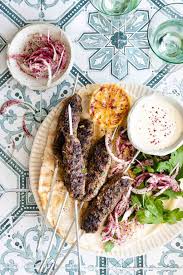
Find the complete recipe card below ↓
Lebanese Kafta Kebabs
Equipment
- Metal skewers
- Large mixing bowl
- Grill
- Tongs
- Instant-read thermometer
Ingredients
- 2 lbs ground beef 80/20 fat ratio preferred
- 1 large yellow onion finely grated
- 1 cup fresh flat-leaf parsley finely chopped
- 4 cloves garlic minced
- 2 tsp seven-spice blend (baharat)
- 1 tsp ground cumin
- 1 tsp ground coriander
- 1 tsp Aleppo pepper or 1/2 tsp paprika + 1/4 tsp cayenne
- 2 tsp kosher salt
- 1/2 tsp black pepper freshly ground
- 2 tbsp olive oil for brushing
Instructions
- In a large bowl, combine ground beef, grated onion, chopped parsley, minced garlic, seven-spice blend, cumin, coriander, Aleppo pepper, salt, and black pepper.
- Using clean hands, mix and knead the mixture for 3-4 minutes until it becomes very cohesive and almost paste-like. The mixture should hold together well when squeezed.
- Divide the mixture into 12 equal portions. With slightly wet hands, shape each portion around a flat metal skewer, forming sausage shapes about 5 inches long. Press firmly to ensure the meat adheres to the skewer.
- Place shaped kebabs on a plate, cover with plastic wrap, and refrigerate for at least 30 minutes (up to 24 hours for best flavor).
- Preheat grill to medium-high heat and clean grates thoroughly. Oil the grates to prevent sticking.
- Brush kebabs lightly with olive oil on all sides.
- Grill kebabs for 10-12 minutes total, turning every 2-3 minutes to ensure even browning on all sides. The internal temperature should reach 160°F.
- Remove from grill and let rest for 2-3 minutes before serving. Serve immediately with tahini sauce, pita bread, and fresh vegetables.