

When One Pot Changes Everything
There are dishes that feed you, and then there are dishes that restore you. Hungarian Goulash is firmly in the second category. It’s the kind of stew that fills your kitchen with a deep, smoky-sweet aroma the moment the paprika hits the hot fat — a smell so intoxicating that people will wander in from other rooms asking what’s cooking. This is not a timid dish. It’s bold, unapologetically rich, and built on centuries of Hungarian tradition that understood something most modern cooks are just rediscovering: that the right spice, the right cut of meat, and the right amount of patience will produce something extraordinary.
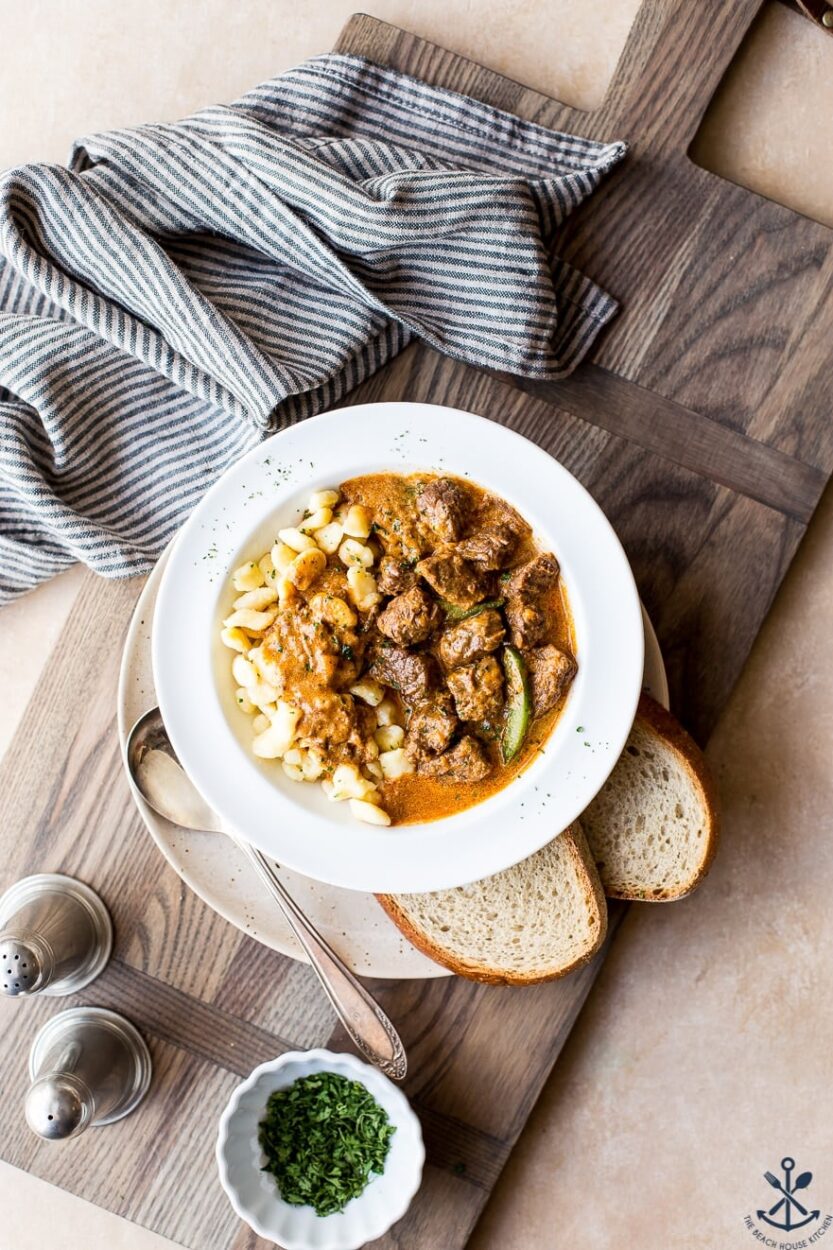
Goulash originated on the Hungarian plains, where cattle herders slow-cooked beef with dried paprika over open fires. What started as a herdsman’s meal became a national treasure, a dish so beloved it’s practically woven into Hungarian identity. And it’s not hard to see why. The combination of sweet and smoked paprika, slow-braised beef chuck, caramelized onions, and a deeply savory broth creates a stew with layers of flavor that genuinely surprise you on first bite — earthy, slightly sweet, warming from the inside out, with a silky sauce that clings to every chunk of tender beef. This is comfort food at its most sophisticated and its most honest.
What makes this version irresistible is the commitment to flavor at every stage. We’re not cutting corners. We’re building a sauce that tastes like it simmered for days, coaxing sweetness from onions, blooming paprika in fat so it unlocks its full aromatic potential, and letting the beef braise low and slow until it practically melts apart. Whether you serve it over buttered egg noodles, creamy mashed potatoes, or thick-cut bread to mop up every drop of that remarkable sauce, this Hungarian Goulash will become a permanent fixture in your winter rotation.
Why You’ll Love This Recipe
- Deeply layered flavor — Two types of paprika, caramelized onions, and a long braise create a sauce that tastes like pure comfort in every spoonful.
- Incredibly tender beef — Chuck roast breaks down into melt-in-your-mouth pieces after a slow braise, absorbing all that gorgeous paprika-rich broth.
- One-pot wonder — Everything comes together in a single Dutch oven, which means maximum flavor development and minimal cleanup.
- Better the next day — Like all great braises, this goulash deepens and improves overnight, making it perfect for meal prep and leftovers.
- Crowd-pleasing and versatile — Serve it over egg noodles, mashed potatoes, polenta, or rice. It works for a weeknight dinner and impresses at dinner parties equally.
- Rich without being heavy — The sauce is silky and complex, but a finish of sour cream and fresh herbs keeps it balanced and bright.
Key Ingredients That Make This Goulash Unforgettable
At the heart of this recipe is Hungarian sweet paprika — and lots of it. This is the soul of the dish, so please don’t reach for the dusty generic paprika that’s been sitting in your pantry for two years. Fresh, high-quality Hungarian paprika (available at most specialty stores or online) has a deep red color, a sweet-smoky complexity, and a warmth that transforms the entire pot. We use it generously and bloom it in fat before adding any liquid, which activates its fat-soluble flavor compounds and gives the sauce its signature brick-red color and haunting depth. A touch of smoked paprika alongside the sweet variety adds a subtle campfire quality that nods to goulash’s open-flame origins.
The protein here is beef chuck roast, cut into large, generous chunks. Chuck is the ideal braising cut — it’s heavily marbled with connective tissue that slowly dissolves into gelatin during the long cook, enriching the broth and giving it that luxurious, almost sticky body. Don’t be tempted by leaner cuts; they’ll turn dry and stringy where chuck becomes silky and succulent. Yellow onions are the unsung hero of this recipe. We use a substantial amount and cook them low and slow until they’re completely soft and golden, releasing their natural sugars and forming a sweet, jammy base that gives the sauce its backbone. This step cannot be rushed — the onions are where the flavor foundation is built.
A splash of red wine vinegar cuts through the richness with a bright, sharp note that keeps the stew from feeling one-dimensional, while caraway seeds add a subtle earthy anise flavor that is unmistakably Central European and absolutely essential to authenticity. Finally, a generous dollop of sour cream stirred in at the very end brings a tangy creaminess that smooths out the sauce and makes it irresistibly silky. As Serious Eats explains in their deep dive on beef stews, finishing a braise with an acid-forward dairy element is a classic technique for adding brightness and body simultaneously — and it’s never more effective than it is here.
Pro Tips & Variations
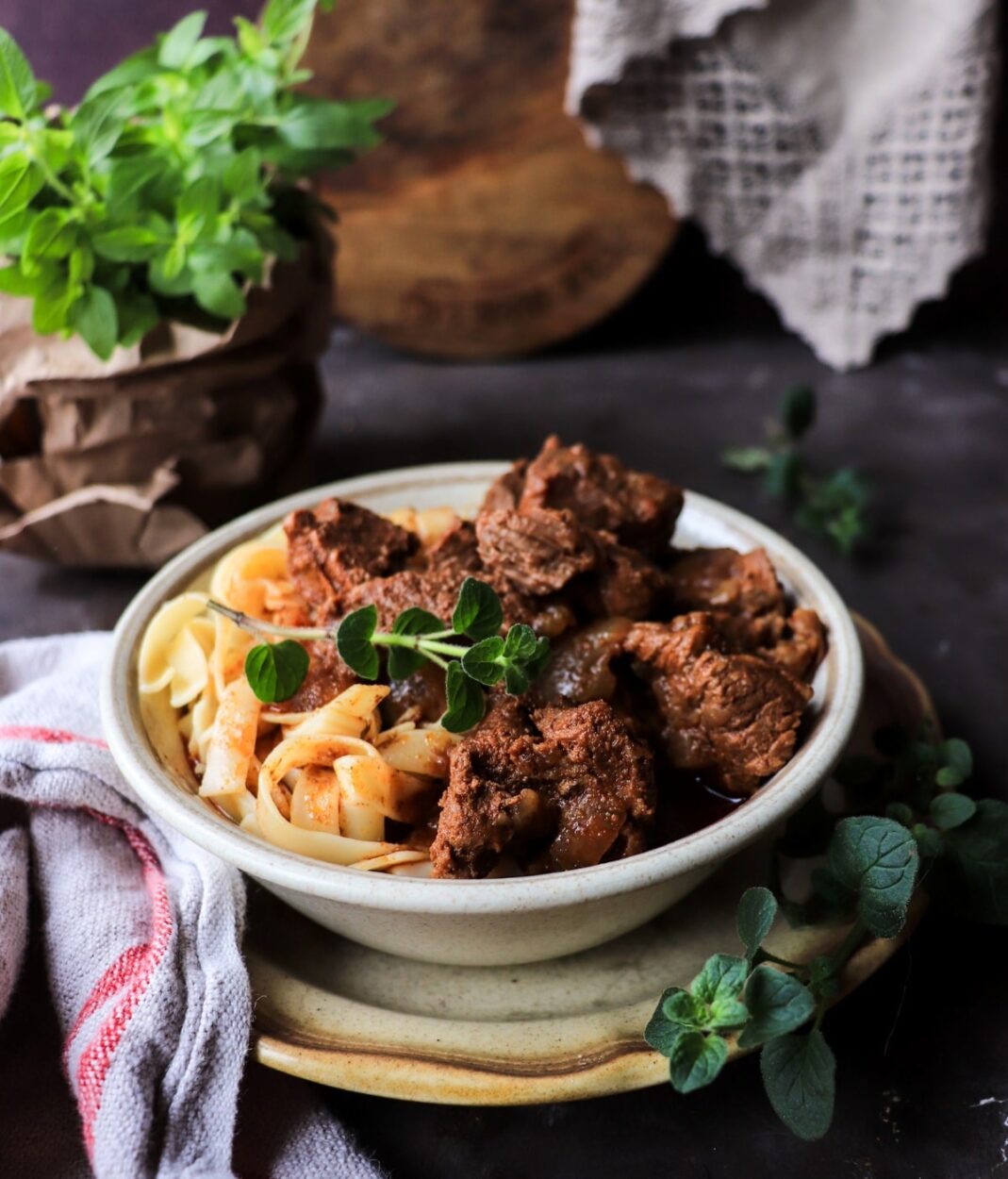
Don’t rush the onions. This is the most important tip in the entire recipe. The onions need a full 15-20 minutes over medium-low heat to become truly soft, golden, and jammy. They should be nearly melting before you add the paprika. Rushing this step means your sauce will lack sweetness and depth — the two things that make goulash goulash.
Bloom your paprika in fat. After the onions are ready, push them to the side, add a bit more lard or oil to the pan, and let the paprika sizzle in the fat for 30-60 seconds before adding any liquid. This single step exponentially increases the complexity of the final dish. Just watch it carefully — paprika burns fast and turns bitter if it gets too dark.
Use lard if you can find it. Traditional Hungarian goulash is cooked in lard, and it makes a difference. The richness and flavor it adds to the base is subtle but unmistakable. If you can’t find lard, a neutral oil works fine, but the flavor won’t be quite as authentic.
Go big on the beef. Cut your chuck into large cubes — 2-inch pieces at minimum. They’ll shrink during braising. Large pieces mean more surface area for a beautiful sear and more structural integrity in the finished dish, so you get proper chunks of tender beef rather than shredded meat.
Low and slow is non-negotiable. Goulash should simmer gently, not aggressively boil. A vigorous boil will toughen the meat and make the sauce greasy. Keep the heat at a bare simmer — small, lazy bubbles — for the full cook time. As Food Network’s guide to braising meat notes, patience at low temperature is what transforms tough cuts into fork-tender perfection.
Variations to try: Add one diced bell pepper (red or green) with the onions for a slightly sweeter, more vegetal version. Stir in a tablespoon of tomato paste along with the paprika for extra depth and color. For a pork version, substitute pork shoulder for the beef — it braises beautifully and is equally traditional in parts of Hungary. If you want to serve this like a true Hungarian would, pair it alongside our Moroccan Lamb Tagine as part of a global comfort food spread — both dishes share that same commitment to deep spice and long braising that makes slow-cooked meat dishes universally irresistible.
Make it ahead: Goulash is genuinely better the next day. Cook it completely, let it cool, refrigerate overnight, and reheat gently on the stovetop. The sauce deepens, the beef absorbs more flavor, and the whole thing becomes even more cohesive and delicious. This makes it one of the best dishes you can cook for dinner parties or meal prep.
What to Serve with Hungarian Goulash
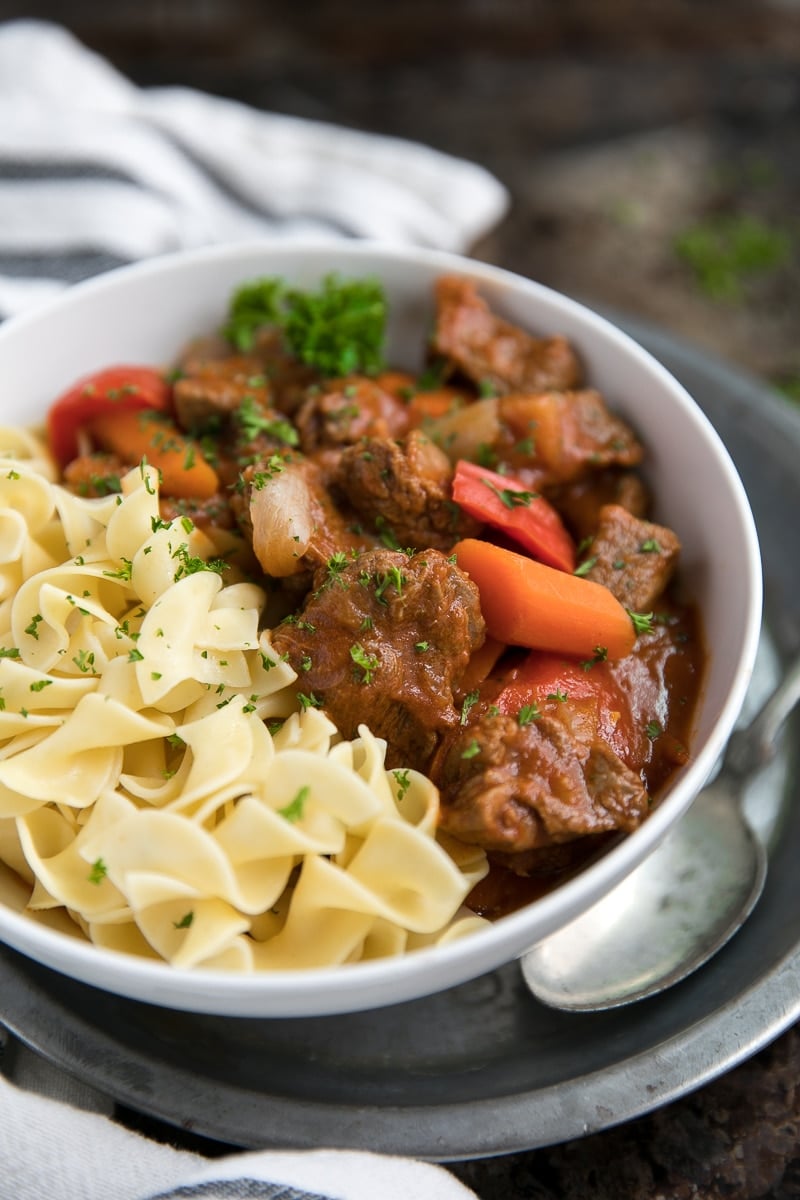
The classic pairing is buttered egg noodles — specifically, the thick, chewy Central European kind called spätzle or nokedli. Their slight chewiness and buttery richness are the perfect vehicle for the paprika sauce. Wide pappardelle or thick egg pasta works beautifully if you can’t find the real thing. Creamy mashed potatoes are another outstanding option, soaking up every bit of that brick-red sauce. Thick slices of crusty bread for dunking are non-negotiable at the table. For something lighter to balance the richness of the stew, consider a simple fresh salad on the side — our Cucumber Tomato Salad offers a crisp, tangy contrast that cuts right through the richness of the goulash and cleanses the palate beautifully between bites. If you’re looking for another hearty, saucy main that delivers that same stick-to-your-ribs satisfaction, our Mongolian Beef brings similar bold, deeply savory energy and is equally perfect for a cold night at home.
Nutritional Highlights
Hungarian Goulash is a nutrient-dense, protein-forward meal that earns its place on the dinner table beyond just being delicious. Each generous serving delivers around 420 calories and approximately 38 grams of protein from the slow-braised beef chuck, making it genuinely satisfying and muscle-supporting. The paprika in this recipe isn’t just flavor — sweet paprika is rich in vitamin C and carotenoids, powerful antioxidants that support immune function. The onion base contributes quercetin and other anti-inflammatory compounds, while the beef broth provides collagen and minerals. The fat content, around 24 grams per serving, comes primarily from the beef’s natural marbling and the sour cream finish — these are satisfying fats that make the meal feel complete and keep you full for hours. At roughly 12 grams of carbohydrates (before adding noodles or potatoes), the stew itself is relatively low-carb and can be served over cauliflower mash or zucchini noodles for a lighter presentation. This is the kind of meal that nourishes as much as it comforts.
Frequently Asked Questions
What’s the difference between Hungarian Goulash and American Goulash?
This is one of the most common points of confusion, and the answer is that they are essentially two completely different dishes that happen to share a name. Traditional Hungarian Goulash — the one in this recipe — is a rich, paprika-spiced beef stew with a deeply savory sauce, slow-braised over hours and served over noodles or potatoes. It’s a legitimate national dish with centuries of history. American Goulash, on the other hand, is a quick, budget-friendly pasta dish made with ground beef, canned tomatoes, and elbow macaroni cooked together in one pot. It’s delicious in its own right, but bears almost no resemblance to the Hungarian original beyond the name. When someone says they’re making “real” goulash, this paprika-forward braise is what they mean.
Can I make Hungarian Goulash in a slow cooker or Instant Pot?
Absolutely — both work well with some adjustments. For the slow cooker, complete the stovetop steps first: sauté the onions until golden, bloom the paprika in fat, and sear the beef in batches. Then transfer everything to the slow cooker with the broth and cook on LOW for 7-8 hours or HIGH for 4-5 hours. The low-and-slow method in a slow cooker produces incredibly tender beef. For the Instant Pot, follow the same sauté steps using the Sauté function, then pressure cook on HIGH for 35 minutes with a 15-minute natural release. The result is beautifully tender beef in a fraction of the time, though the sauce may be slightly thinner — if so, use the Sauté function after releasing pressure to reduce it for 10 minutes. Both methods deliver excellent results, with the stovetop version having a slight edge on sauce depth and complexity.
How do I store and reheat leftover Hungarian Goulash?
Leftover goulash stores exceptionally well and, as mentioned, actually improves with time. Transfer it to an airtight container and refrigerate for up to 4 days. You may notice the fat solidifying on the surface when cold — simply skim it off or stir it back in when reheating. To reheat, warm gently on the stovetop over medium-low heat, adding a splash of beef broth if the sauce has thickened too much. Avoid high heat, which can toughen the already-tender beef. For freezing, goulash freezes beautifully for up to 3 months — freeze it without the sour cream stirred in, and add the sour cream fresh when reheating. Thaw overnight in the refrigerator and reheat as described above. It’s one of those dishes that makes meal prep genuinely exciting, because you know every container in the freezer is a future great dinner.
Make It, Share It, Save It
Hungarian Goulash is one of those rare recipes that delivers every single time — the kind of dish that makes your home smell incredible for hours, fills the table with warmth, and earns you genuine compliments from everyone lucky enough to be invited to dinner. It’s deeply satisfying to make, spectacular to eat, and even better the next day. Whether this is your first time cooking a proper braise or you’re a seasoned slow-cooker looking for a new weeknight staple, this recipe is going to reward you enormously. If you make it, we want to hear about it — drop a comment below, rate the recipe, and share a photo on social media tagging us so we can see your gorgeous, paprika-red bowls of comfort. Save this recipe now so it’s ready when the next cold evening rolls around and you need something truly soul-restoring on the table.
Find the complete recipe card below ↓
Hungarian Goulash
Equipment
- Large Dutch oven (5.5 qt or larger)
- Wooden spoon or silicone spatula
- Tongs
- Small mixing bowl
- Whisk
Ingredients
For the Goulash
- 2.5 lbs beef chuck roast cut into 2-inch cubes
- 3 tbsp lard or neutral oil divided
- 3 large yellow onions thinly sliced
- 5 cloves garlic minced
- 4 tbsp Hungarian sweet paprika high quality, fresh
- 1 tsp smoked paprika
- 1 tsp caraway seeds
- 2 tbsp tomato paste
- 1 tbsp red wine vinegar
- 2.5 cups beef broth low sodium
- 1 tsp kosher salt plus more to taste
- 0.5 tsp black pepper freshly ground
- 2 medium carrots peeled and cut into 1-inch pieces
- 2 medium Yukon Gold potatoes cut into 1.5-inch cubes, optional
To Finish & Serve
- 0.5 cup full-fat sour cream plus more for garnish
- 2 tbsp fresh flat-leaf parsley chopped, for garnish
- 12 oz wide egg noodles or spätzle cooked and buttered, for serving
Instructions
Prep & Sear the Beef
- Pat the beef chuck cubes completely dry with paper towels. Season generously on all sides with salt and black pepper.
- Heat 2 tablespoons of lard or oil in a large Dutch oven over medium-high heat until shimmering. Working in batches (do not crowd the pan), sear the beef for 3-4 minutes per side until deeply browned on all sides. Transfer to a plate and set aside. The fond on the bottom of the pot is flavor — do not discard it.
Build the Flavor Base
- Reduce heat to medium. Add the remaining tablespoon of lard to the Dutch oven. Add the sliced onions and a pinch of salt. Cook, stirring occasionally, for 18-20 minutes until the onions are completely soft, golden, and deeply caramelized. Do not rush this step.
- Add the minced garlic and caraway seeds to the onions. Cook for 1-2 minutes until fragrant.
- Push the onion mixture to the sides of the pot. Add a small drizzle of oil to the center, then add the sweet paprika and smoked paprika. Let the paprika sizzle in the oil for 30-45 seconds, stirring constantly, until fragrant and darkened slightly. Be careful not to burn it.
- Stir in the tomato paste and cook for 1 minute. Add the red wine vinegar and stir to deglaze, scraping up all the browned bits from the bottom of the pot.
Braise Low & Slow
- Return the seared beef and any accumulated juices to the pot. Pour in the beef broth. The liquid should come about halfway up the beef — add a splash more if needed. Stir everything together.
- Bring the liquid to a gentle simmer over medium heat, then reduce heat to low. Cover the pot with the lid slightly ajar and simmer gently for 1 hour and 30 minutes, stirring occasionally.
- After 90 minutes, add the carrot pieces and potatoes (if using). Continue simmering, covered, for another 25-30 minutes until the vegetables are tender and the beef is completely fall-apart tender.
Finish & Serve
- Remove the pot from heat. Scoop about 1/4 cup of the hot braising liquid into a small bowl and whisk it with the sour cream to temper it (this prevents curdling). Stir the tempered sour cream mixture back into the goulash.
- Taste and adjust seasoning with salt and pepper as needed. Serve the goulash over buttered egg noodles or spätzle, garnished with a dollop of sour cream and fresh chopped parsley.