

The first time I experienced authentic beef bulgogi was at a tiny Korean barbecue restaurant tucked away in Los Angeles’ Koreatown. As the server brought sizzling platters of caramelized, tender beef to our table, the entire restaurant filled with an intoxicating aroma of sweet soy, garlic, and sesame. One bite transported me – the meat was so tender it practically melted on my tongue, while layers of complex flavors danced across my palate. That moment sparked an obsession with recreating this iconic Korean dish at home.
After countless experiments and conversations with Korean home cooks, I’ve finally perfected a beef bulgogi recipe that captures that restaurant magic in your own kitchen. The secret lies in the marinade – a harmonious blend of soy sauce, Asian pear, garlic, and sesame oil that not only infuses incredible flavor but also tenderizes the meat to silky perfection. Whether you’re new to Korean cooking or a seasoned enthusiast, this recipe will deliver the authentic taste you’re craving.
What makes this beef bulgogi truly special is how it transforms simple ingredients into something extraordinary. The traditional marinade works its magic over time, breaking down tough fibers while building layers of umami-rich flavor. The result is restaurant-quality Korean barbecue that’s surprisingly achievable for home cooks, ready to become your new favorite weeknight dinner or impressive entertaining dish.
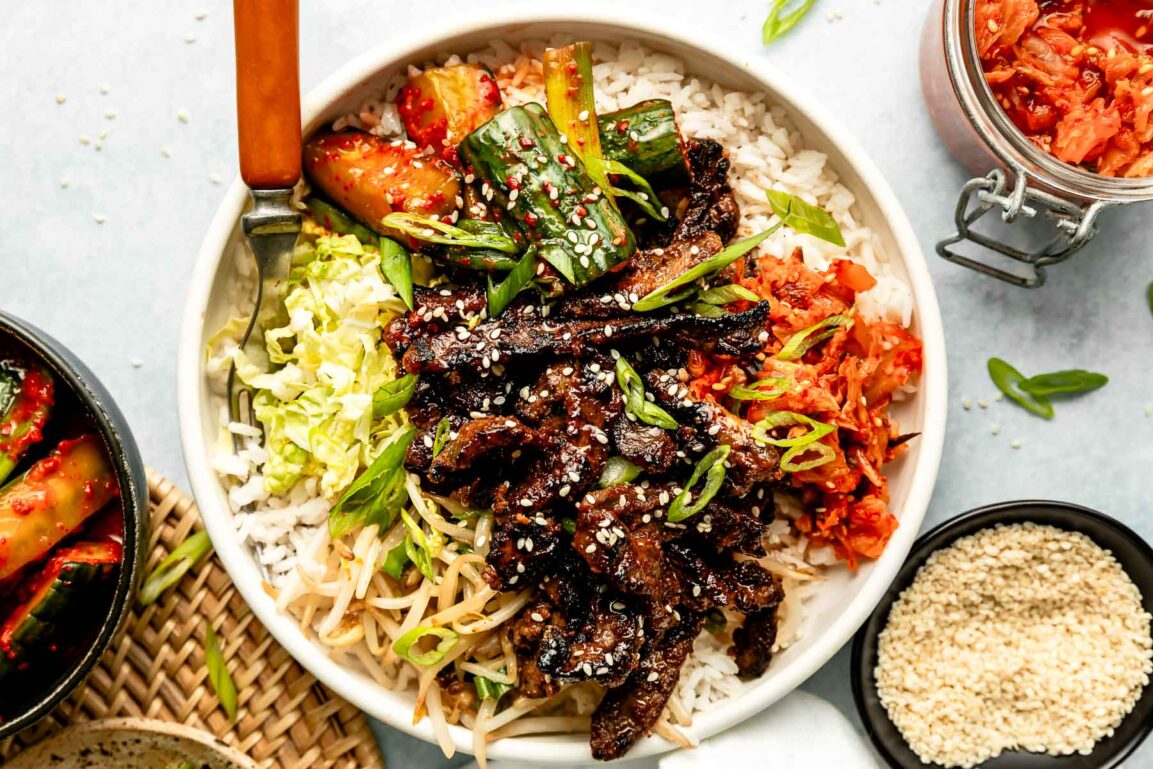
Why You’ll Love This Recipe
This beef bulgogi recipe delivers authentic Korean flavors without requiring a trip to specialty stores or complicated techniques. The marinade does most of the work for you, tenderizing the meat while infusing it with that signature sweet-savory taste that makes bulgogi so addictive. Unlike many Korean barbecue dishes that require a grill, this version works perfectly on your stovetop, making it accessible year-round regardless of weather or equipment.
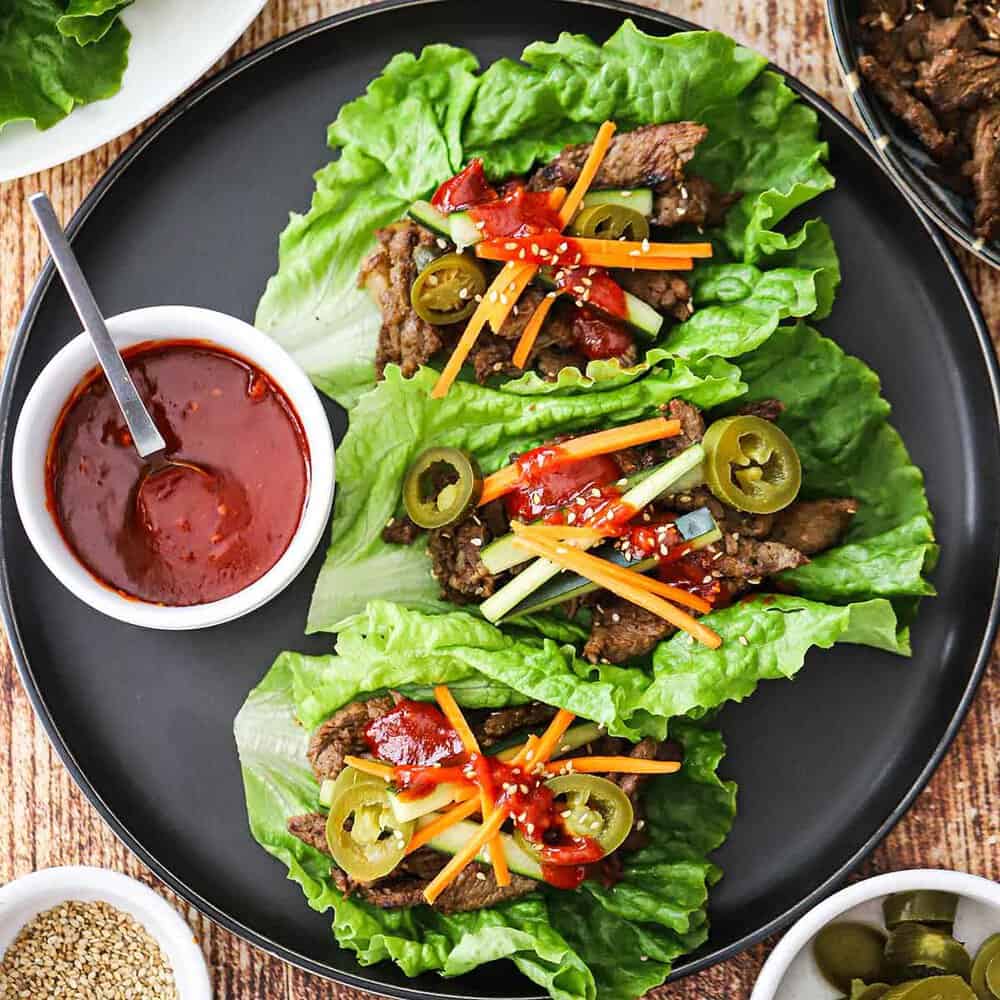
The versatility of this dish makes it perfect for everything from casual family dinners to impressive dinner parties. Serve it over steamed rice for a comforting meal, wrap it in lettuce leaves for a lighter option, or use it as a filling for Korean-style tacos. The leftovers (if there are any!) reheat beautifully and make incredible additions to fried rice, ramen bowls, or grain salads.
Perhaps best of all, this recipe is surprisingly quick once you account for marinating time. While the beef needs a few hours to soak up all those wonderful flavors, the actual cooking time is just minutes. The high-heat cooking creates beautiful caramelization on the outside while keeping the interior tender and juicy – exactly what great bulgogi should be.
Key Ingredients
The foundation of exceptional beef bulgogi starts with thinly sliced ribeye or sirloin, cut against the grain to ensure maximum tenderness. The thin slicing is crucial – it allows the marinade to penetrate quickly while ensuring the meat cooks evenly in just minutes. Soy sauce forms the salty, umami-rich base of our marinade, while Asian pear brings natural sweetness and enzymes that help tenderize the meat naturally. Fresh garlic and ginger provide aromatic depth and a subtle heat that balances the sweetness beautifully. Sesame oil adds that distinctive nutty flavor that’s essential to Korean cuisine, while a touch of brown sugar helps achieve the gorgeous caramelization that makes bulgogi so visually appealing and delicious.
Pro Tips & Variations
For the most tender results, freeze your beef for 30 minutes before slicing – this firms up the meat and makes achieving paper-thin slices much easier. Always slice against the grain, which breaks up tough muscle fibers and ensures each bite is tender. If you can’t find Asian pear, substitute with grated apple or even kiwi, both of which contain similar tenderizing enzymes.
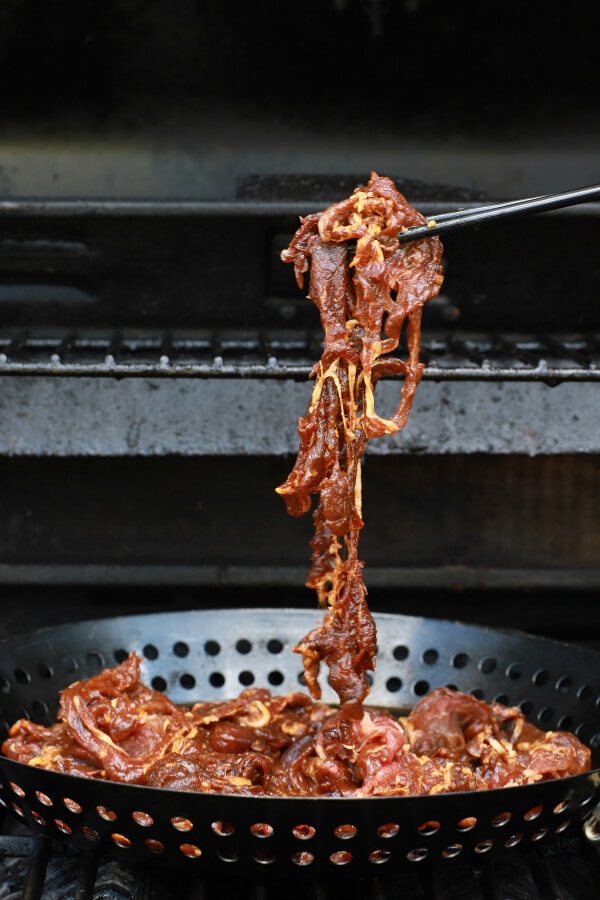
The marinade time is flexible but important – while 2 hours will give you good results, overnight marinating develops deeper flavors and even more tender meat. For a shortcut version, you can marinate for just 30 minutes if you’re pressed for time, though the results won’t be quite as exceptional.
When cooking, resist the urge to overcrowd your pan. Cook the beef in batches if necessary to ensure proper browning and caramelization. High heat is essential for developing those delicious crispy edges while keeping the interior tender. Traditional Korean bulgogi techniques emphasize this quick, high-heat cooking method for optimal texture.
For variations, try using different cuts like thinly sliced short rib for a richer flavor, or experiment with adding grated onion to the marinade for extra sweetness and depth. Vegetarian bulgogi made with mushrooms or tofu using the same marinade is also delicious and follows similar cooking principles.
Nutritional Highlights
Beef bulgogi offers excellent nutritional value, providing high-quality protein essential for muscle maintenance and satiety. The lean cuts typically used are rich in iron, zinc, and B-vitamins, particularly B12 which supports energy metabolism. While the marinade does contain some added sugars, the amounts per serving are moderate, and the dish provides a good balance of protein and flavor. The garlic and ginger in the marinade offer additional health benefits, including anti-inflammatory properties and immune system support. When served with vegetables and rice, bulgogi becomes part of a well-balanced meal that aligns with traditional Korean dietary principles emphasizing variety and moderation.
FAQ
Can I make this ahead of time?
Yes, beef bulgogi is actually better when prepared ahead! You can marinate the beef for up to 24 hours in the refrigerator – longer marinating times result in more tender meat and deeper flavors. The cooked bulgogi can also be stored in the refrigerator for up to 3 days and reheated gently in a skillet. For meal prep, consider marinating several batches and freezing them in individual portions for quick weeknight dinners.
What can I substitute for Asian pear?
Asian pear can be substituted with several alternatives that provide similar sweetness and tenderizing enzymes. Grated apple (preferably a sweet variety like Gala or Honeycrisp) works excellently, or you can use fresh pineapple juice or grated kiwi. If using kiwi, reduce the marinating time to 2-4 hours maximum, as its enzymes are quite strong and can make the meat mushy if left too long. In a pinch, you can substitute with 2 tablespoons of brown sugar, though you’ll miss some of the tenderizing benefits.
How do I store leftovers?
Store leftover bulgogi in an airtight container in the refrigerator for up to 4 days. When reheating, use a skillet over medium heat rather than the microwave to maintain the best texture and prevent the meat from becoming tough. Add a splash of water or beef broth if needed to prevent sticking. Leftover bulgogi is fantastic in fried rice, ramen bowls, or Korean-style quesadillas. You can also freeze cooked bulgogi for up to 3 months – thaw overnight in the refrigerator before reheating.
Conclusion
This beef bulgogi recipe brings the authentic flavors of Korean barbecue directly to your home kitchen, proving that restaurant-quality results are absolutely achievable with the right technique and ingredients. The combination of tender, marinated beef with its signature sweet-savory glaze creates a dish that’s both comforting and exciting, perfect for expanding your culinary horizons or satisfying a craving for Korean flavors.
Whether you serve this bulgogi as part of a traditional Korean meal with rice and banchan, or incorporate it into fusion dishes like tacos or grain bowls, you’re sure to impress family and friends with this flavorful, tender beef. The recipe is forgiving enough for beginners yet authentic enough to satisfy even the most discerning palates.
I’d love to hear about your bulgogi adventures! Share your photos on social media and tag us – there’s nothing better than seeing how this recipe brings joy to your dinner table. Don’t forget to save this recipe for your next Korean cooking session!
Find the complete recipe card below ?
Authentic Korean Beef Bulgogi
Equipment
- Large skillet or wok
- Large mixing bowls
- Sharp knife
Ingredients
- 2 lbs ribeye or sirloin steak thinly sliced against the grain
- 1/2 cup soy sauce low sodium preferred
- 1 medium Asian pear peeled and grated
- 1/4 cup brown sugar packed
- 2 tablespoons sesame oil
- 6 cloves garlic minced
- 1 tablespoon fresh ginger grated
- 2 tablespoons rice wine or mirin
- 1 tablespoon vegetable oil for cooking
- 3 green onions sliced for garnish
- 1 tablespoon sesame seeds toasted, for garnish
Instructions
- Place the thinly sliced beef in a large bowl. In a separate bowl, whisk together soy sauce, grated Asian pear, brown sugar, sesame oil, minced garlic, grated ginger, and rice wine until well combined.
- Pour the marinade over the beef and toss to coat evenly. Cover and refrigerate for at least 2 hours, or preferably overnight for best flavor and tenderness.
- Heat vegetable oil in a large skillet or wok over high heat until smoking. Remove beef from marinade, reserving the liquid.
- Cook beef in batches to avoid overcrowding, stirring frequently, for 2-3 minutes until caramelized and cooked through. Transfer to a serving plate.
- Pour reserved marinade into the same skillet and cook for 1-2 minutes until slightly thickened. Pour sauce over the cooked beef.
- Garnish with sliced green onions and toasted sesame seeds. Serve immediately with steamed rice and lettuce leaves for wrapping.