

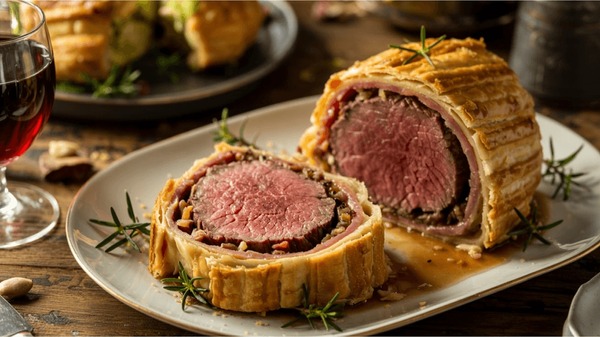
There’s something almost mythical about Beef Wellington – this golden, pastry-wrapped masterpiece that has intimidated home cooks for decades while simultaneously representing the pinnacle of culinary achievement. Named after the Duke of Wellington, this dish transforms a simple beef tenderloin into a work of art, encasing perfectly seasoned meat in layers of earthy mushroom duxelles, salty prosciutto, and buttery puff pastry that bakes to a gorgeous golden perfection.
The first time I attempted Beef Wellington, I’ll admit I was terrified. The stories of soggy bottoms, overcooked beef, and pastry disasters had me convinced this was a dish reserved for professional kitchens. But after years of perfecting the technique and understanding the science behind each layer, I’ve discovered that Beef Wellington is absolutely achievable in your home kitchen – you just need to understand the why behind each step. The key lies in building flavors methodically, managing moisture carefully, and trusting the process. When you slice into that first Wellington and see the rose-colored beef surrounded by its savory companions and encased in crisp, flaky pastry, you’ll understand why this dish has earned its legendary status.
Why You’ll Love This Recipe
This Beef Wellington recipe strikes the perfect balance between restaurant-quality results and home kitchen accessibility. Unlike overly complicated versions that require specialty equipment or hard-to-find ingredients, this approach focuses on technique and timing to deliver consistent, impressive results every time. The mushroom duxelles adds incredible depth of flavor while acting as a moisture barrier to keep the pastry crisp, while the prosciutto provides a salty contrast that complements the tender beef beautifully.
What makes this recipe particularly special is its flexibility – while it’s undoubtedly elegant enough for Christmas dinner or anniversary celebrations, the technique is straightforward enough that you’ll feel confident making it for any special occasion. The active cooking time is surprisingly manageable, and much of the preparation can be done ahead of time, making it perfect for entertaining when you want to spend more time with guests and less time stressed in the kitchen.
Key Ingredients That Make the Difference
The foundation of any great Beef Wellington starts with a quality beef tenderloin, which provides the perfect texture and flavor for this application – it’s tender enough to cook quickly and evenly, yet substantial enough to hold its shape through the wrapping and baking process. The mushroom mixture, often called duxelles, is perhaps the most crucial component after the beef itself; when properly prepared, it concentrates the earthy mushroom flavors while creating a protective layer that prevents the pastry from becoming soggy. High-quality Dijon mustard adds a sharp, tangy note that cuts through the richness while helping to bind the flavors together. The prosciutto brings a delicate saltiness and helps create distinct layers of flavor and texture, while store-bought puff pastry (there’s no shame in using frozen!) provides that essential buttery, flaky exterior that makes the dish so visually stunning. Finally, the egg wash is what transforms the pastry from pale and matte to that gorgeous, glossy golden-brown finish that makes Beef Wellington so photogenic and appetizing.
Pro Tips & Variations
The secret to Wellington success lies in moisture management and temperature control. After searing your beef, let it cool completely before assembly – this prevents the other components from warming up too quickly and potentially making the pastry soggy. When preparing your mushroom duxelles, cook it until it’s quite dry and most of the liquid has evaporated; this concentrated mixture should hold together when pressed but not release any liquid. Professional chefs often recommend using a meat thermometer to ensure perfect doneness – aim for 120-125°F internal temperature for medium-rare, remembering that the temperature will rise slightly as it rests.
For variations, consider adding fresh herbs like thyme or rosemary to your mushroom mixture for extra aromatics, or try different mustard varieties like whole grain or horseradish mustard for varying flavor profiles. Some cooks like to add a layer of pâté for extra richness, though this is entirely optional and increases the complexity. If you’re feeling adventurous, experiment with different mushroom varieties – a mix of cremini, shiitake, and oyster mushrooms creates incredible depth of flavor.
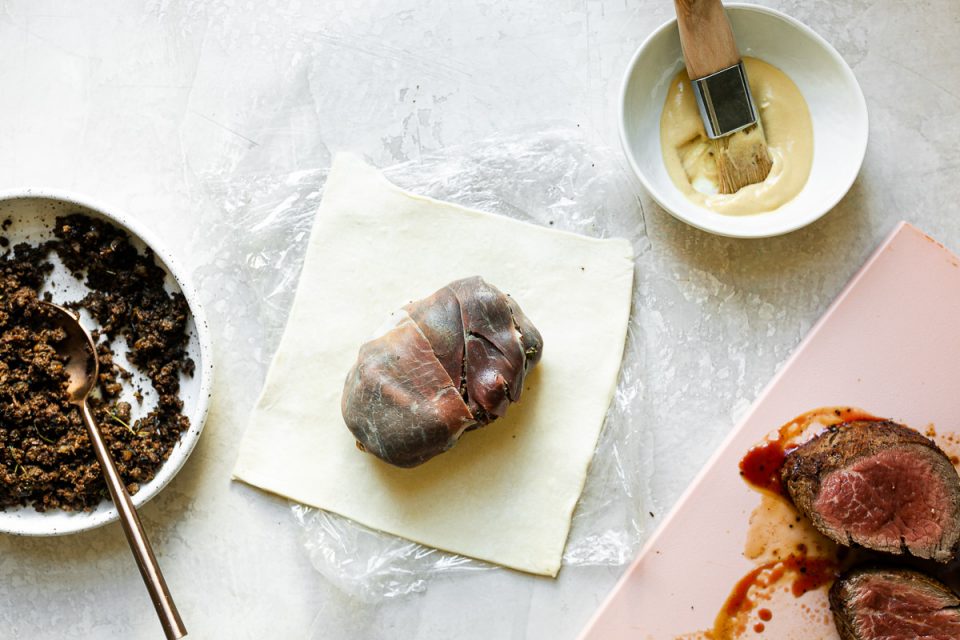
Temperature control extends beyond just the beef – make sure your puff pastry is properly thawed but still cold when you work with it, and don’t let your assembled Wellington sit at room temperature for too long before baking. If you need to prepare it ahead of time, assemble it completely and refrigerate for up to 4 hours, then bring it to room temperature for about 20 minutes before baking. This make-ahead capability is what makes Wellington perfect for entertaining – you can do all the fussy work earlier in the day and simply pop it in the oven when it’s time to cook.
Nutritional Highlights
While Beef Wellington is undoubtedly an indulgent dish, it also provides substantial nutritional value that makes it worthy of special occasion status. The beef tenderloin is an excellent source of high-quality protein, providing all essential amino acids along with important minerals like iron, zinc, and B vitamins that support energy metabolism and immune function. The mushrooms contribute valuable antioxidants, potassium, and selenium, while also adding fiber and umami flavor without extra calories. Food Network nutritionists note that when served as part of a balanced meal with vegetables and moderate portions, dishes like Wellington can fit into a healthy eating pattern as an occasional treat that provides satisfaction and celebration value alongside its nutritional benefits.
Frequently Asked Questions
Can I make Beef Wellington ahead of time?
Absolutely! Beef Wellington is actually an excellent make-ahead dish, which makes it perfect for entertaining. You can assemble the entire Wellington up to 4 hours in advance and keep it refrigerated, tightly wrapped in plastic wrap. When you’re ready to cook, remove it from the refrigerator about 20-30 minutes before baking to take the chill off, then brush with egg wash and bake as directed. Some people even freeze assembled Wellingtons for up to a month – just thaw completely in the refrigerator overnight before baking, and add an extra 5-10 minutes to the cooking time.
Why does my pastry get soggy on the bottom?
Soggy bottom syndrome is the most common Wellington failure, but it’s completely preventable with proper technique. The key is ensuring your mushroom duxelles is cooked until very dry – it should not release any liquid when pressed. Additionally, make sure your seared beef is completely cooled before assembly, and consider placing the assembled Wellington on a preheated baking sheet or pizza stone to give the bottom pastry a head start on crisping. Some chefs also recommend pricking the bottom of the pastry with a fork in a few places to allow steam to escape, though this should be done carefully to avoid creating large holes.
What should I serve with Beef Wellington?
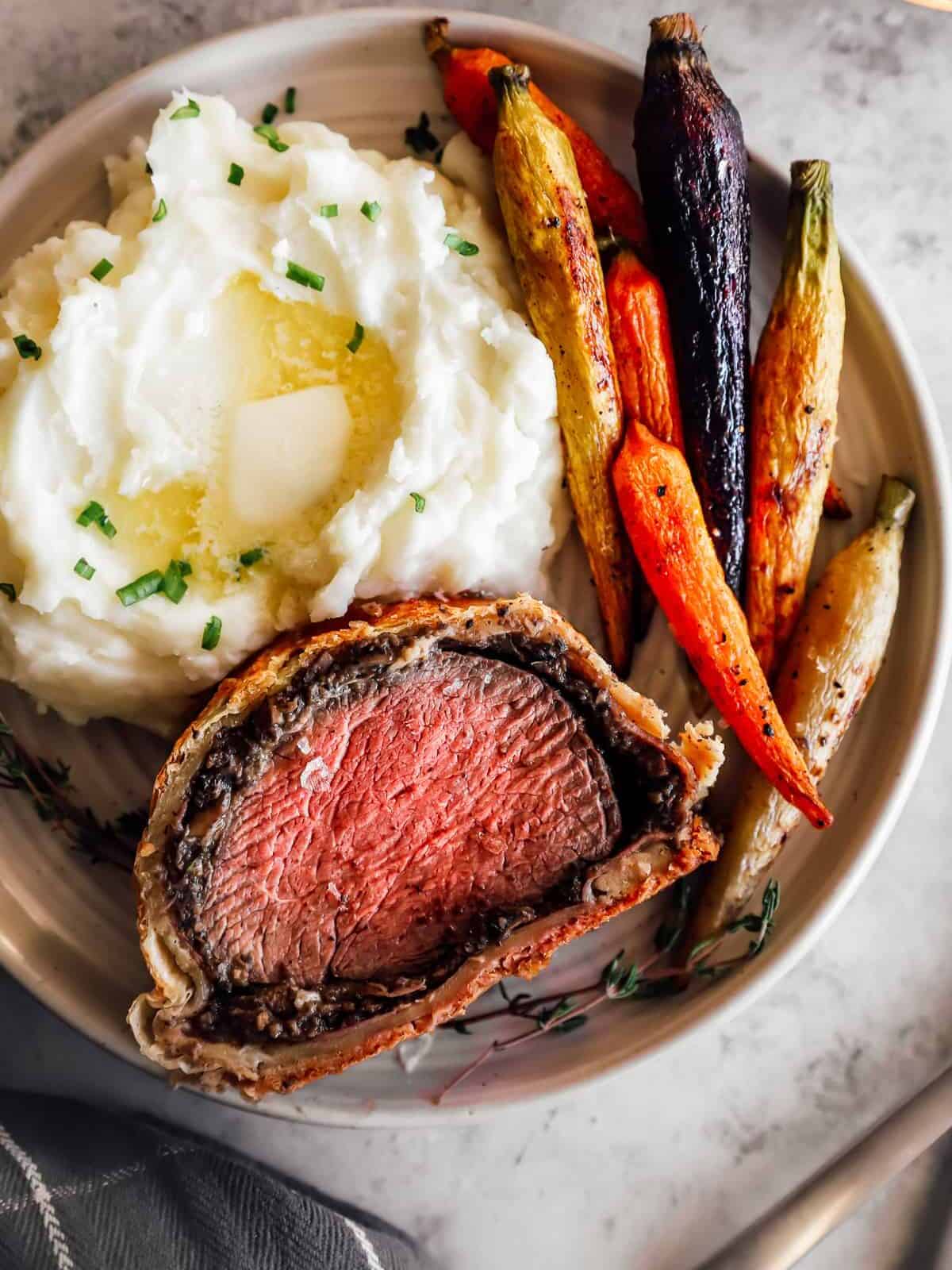
Beef Wellington is rich and substantial, so it pairs beautifully with lighter, brighter accompaniments that won’t compete with its flavors. Classic pairings include roasted or steamed asparagus, which provides a fresh, slightly bitter contrast to the rich beef and pastry. Roasted root vegetables like carrots, parsnips, or Brussels sprouts work wonderfully, as do creamy mashed potatoes or a light arugula salad with lemon vinaigrette. For sauces, a simple red wine reduction or mushroom gravy complements the dish without overwhelming it, though honestly, a perfectly executed Wellington needs very little additional enhancement.
Conclusion
Mastering Beef Wellington is truly a milestone achievement in any home cook’s journey – it’s a dish that combines technique, timing, and quality ingredients to create something genuinely spectacular. While it may seem intimidating at first, understanding the principles behind each step makes it entirely achievable, and the results are so impressive that you’ll find yourself looking for excuses to make it again. The combination of tender beef, savory mushrooms, salty prosciutto, and flaky pastry creates a harmony of flavors and textures that exemplifies why this dish has remained a symbol of culinary excellence for centuries.
Whether you’re planning a romantic dinner, celebrating a holiday, or simply want to challenge yourself with a new cooking adventure, this Beef Wellington recipe will deliver restaurant-quality results that will have your guests talking for years to come. Don’t forget to take photos before you slice into it – you’ll want to remember this culinary triumph! Save this recipe for your next special occasion, and be sure to share your Wellington success stories in the comments below.
Find the complete recipe card below ↓
Perfect Beef Wellington
Equipment
- Large skillet
- Rolling pin
- Meat thermometer
- Parchment paper
- Sharp knife
Ingredients
- 2-3 lbs beef tenderloin trimmed and tied
- 2 tablespoons olive oil
- 1/2 pound mushrooms finely chopped (cremini or button)
- 1/4 cup Dijon mustard
- 8 slices prosciutto
- 1 sheet puff pastry thawed
- 1 large egg beaten for egg wash
- salt and black pepper to taste
Instructions
- Preheat your oven to 400°F (200°C). Season the beef tenderloin generously with salt and pepper on all sides.
- Heat olive oil in a large skillet over medium-high heat. Sear the beef tenderloin until browned on all sides, about 2-3 minutes per side. Remove from heat and let cool completely.
- In the same skillet, sauté the finely chopped mushrooms over medium heat until all liquid has evaporated and the mixture is dry, about 8-10 minutes. Season with salt and pepper, then let cool completely.
- Once the beef is cool, spread Dijon mustard evenly over all surfaces of the tenderloin.
- Lay out plastic wrap on a work surface and arrange prosciutto slices in an overlapping layer large enough to wrap the beef. Spread the cooled mushroom mixture over the prosciutto.
- Place the mustard-coated beef at one end of the prosciutto and tightly roll it up using the plastic wrap to help. Twist the ends to seal and refrigerate for 30 minutes.
- Roll out the puff pastry on a lightly floured surface to accommodate the beef. Remove plastic wrap from beef and place it seam-side down on the pastry.
- Wrap the pastry around the beef, sealing the seam with beaten egg. Place seam-side down on a parchment-lined baking sheet.
- Brush the entire pastry surface with beaten egg and score decorative lines on top if desired.
- Bake for 25-30 minutes until the pastry is golden brown and the internal temperature reaches 120-125°F for medium-rare.
- Let rest for 10 minutes before slicing with a sharp knife. Serve immediately.