

The Bowl That Stopped Us in Our Tracks
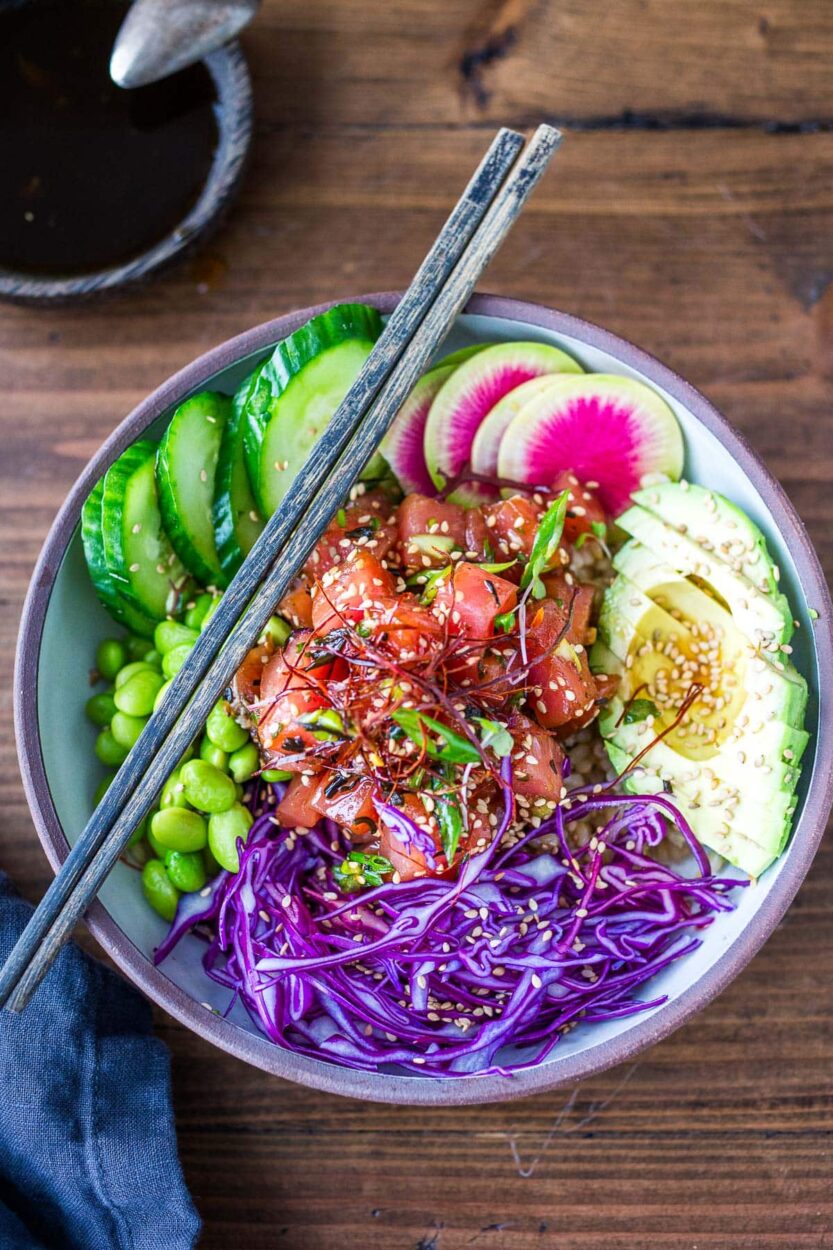
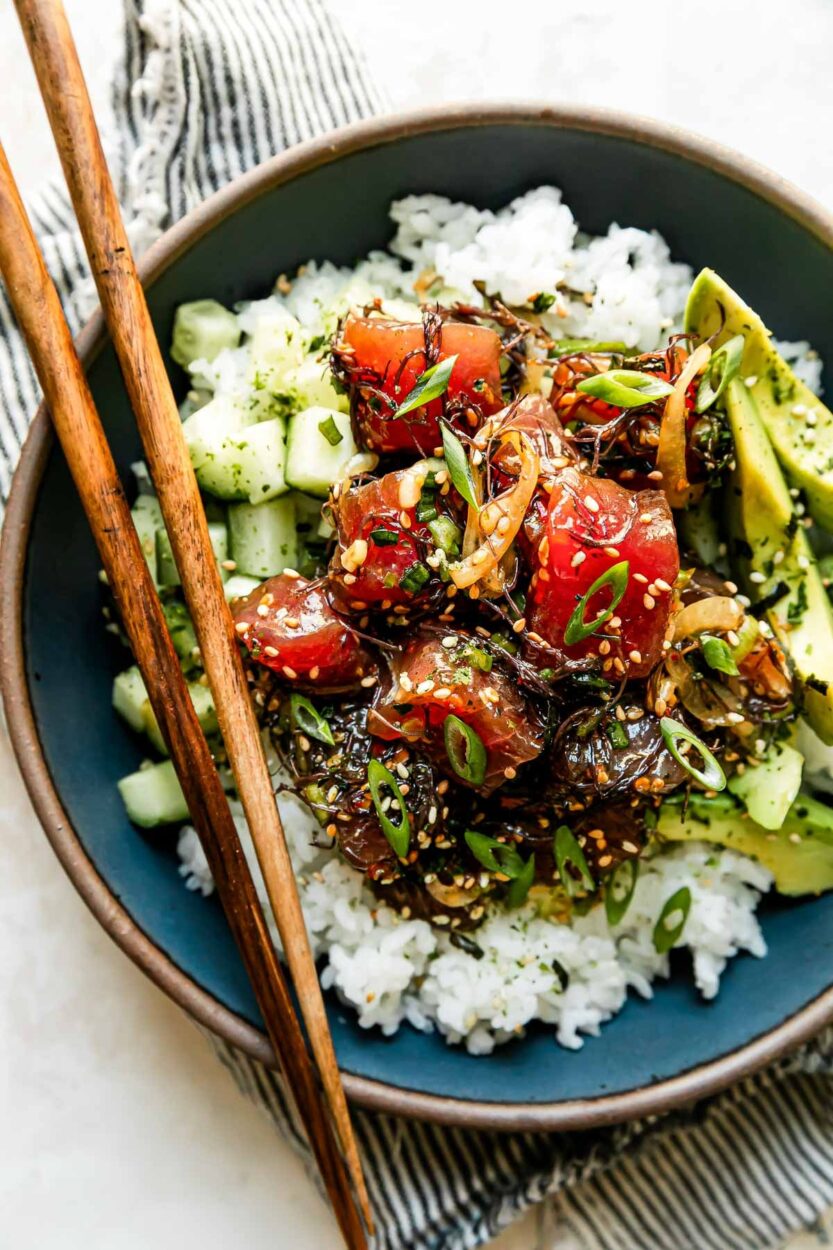
There are dishes that feed you, and then there are dishes that transport you. The Hawaiian Poke Bowl is firmly in the second category. The first time I tasted one — a mound of glossy, soy-kissed ahi tuna over warm sushi rice, crowned with creamy avocado, crunchy cucumber, and a drizzle of sriracha mayo that somehow tied everything together — it felt less like eating lunch and more like standing on a Honolulu beach at golden hour. That combination of silky raw fish, bold umami marinade, and fresh, cooling toppings is genuinely unlike anything else in the world of comfort food. It is simultaneously light and deeply satisfying, simple in its components but shockingly complex in flavor.
What started as a humble fisherman’s snack in Hawaii — seasoned raw fish mixed with sea salt, seaweed, and kukui nuts — has evolved into one of the most craveable bowls on the planet. Modern Hawaiian Poke Bowls layer sushi-grade tuna (or salmon, or even tofu) over a base of sticky rice, then pile on toppings with both intention and abandon: edamame, pickled ginger, tobiko, crispy shallots, sesame seeds, and sauces that range from clean and citrusy to deeply rich and spicy. Every bite hits a different note, and yet the whole bowl sings in harmony. This is the kind of recipe that makes you realize restaurant food does not have to stay in restaurants.
This version is built for maximum flavor with minimal fuss. The marinade is the soul of the bowl — a combination of soy sauce, sesame oil, rice vinegar, and a touch of honey that coats each cube of tuna in a lacquer of pure umami. The toppings are chosen for contrast: creamy against crunchy, cool against warm, mild against bold. Whether you are making this for a weeknight dinner that needs to feel special, or assembling a weekend spread that doubles as a showpiece, this Hawaiian Poke Bowl delivers every single time. Let’s build something beautiful.
Why You’ll Love This Recipe
- Restaurant-quality flavor at home — The marinade alone tastes like something a chef spent hours perfecting. You will make it in five minutes.
- No cooking required for the star ingredient — The tuna is served raw and marinated, which means the hardest part of this recipe is chopping vegetables.
- Completely customizable — Swap proteins, switch up the base, change the toppings. This recipe is a canvas, not a constraint.
- Visually stunning — Poke bowls are genuinely one of the most beautiful dishes you can put on a table, and this one photographs like a dream.
- Satisfying without being heavy — Unlike heavy pasta or rich stews, this bowl leaves you energized rather than sluggish — the best kind of indulgence.
- Ready in under 30 minutes — Once your rice is cooked, assembly takes about fifteen minutes, making this perfect for busy weeknights.
Key Ingredients That Make This Bowl Irresistible
At the center of every great Hawaiian Poke Bowl is the fish, and here, sushi-grade ahi tuna is non-negotiable. The quality of your tuna determines everything — look for deep ruby-red flesh that is firm to the touch and completely fresh. Sushi-grade means it has been frozen at temperatures that eliminate parasites, making it safe to consume raw. Do not cut corners here; this ingredient is the star, and it deserves the spotlight. Once you cube it and let it sit in the marinade for even ten minutes, the transformation is remarkable — the tuna absorbs the seasonings while staying tender and almost buttery inside.
The marinade is built on a foundation of soy sauce and toasted sesame oil. Soy sauce brings the deep, savory umami backbone that makes each piece of fish taste like it was kissed by the ocean itself, while sesame oil adds a warm, nutty richness that rounds out every sharp edge. A splash of rice vinegar brightens the whole thing, and a small amount of honey balances the salt with just enough sweetness to keep you reaching for another bite. Together, these four ingredients create a sauce that is far greater than the sum of its parts. Serious Eats has an excellent breakdown of poke marinade ratios if you want to geek out on the science behind why this combination works so well.
Avocado is not optional in this bowl — it is a structural and flavor necessity. Its cool creaminess acts as a counterpoint to the salty, umami-forward tuna, softening each bite and adding a richness that makes the bowl feel genuinely luxurious. Cucumber brings the crunch and the freshness that cuts through all that richness, keeping every forkful bright and alive. And then there is the sriracha mayo — a simple mixture of Japanese mayonnaise (Kewpie, if you can find it) and sriracha — that you drizzle over the top with absolutely zero restraint. It is creamy, spicy, and completely addictive, the finishing flourish that turns a good bowl into a great one.
If you love building bowls with bold, fresh flavor profiles, you might also enjoy our Watermelon Feta Salad — another dish that nails the sweet-salty-fresh combination that makes food genuinely craveable all summer long.
Pro Tips & Variations
- Use Kewpie mayo for the sauce. Regular mayonnaise works, but Kewpie — a Japanese mayo made with egg yolks and rice vinegar — is creamier, richer, and slightly tangy in a way that makes the sriracha mayo sauce taste genuinely exceptional. Find it at most Asian grocery stores or online.
- Do not skip the marinating time. Even ten minutes makes a significant difference. The tuna soaks up the soy and sesame flavors quickly, so a short marinade is enough — but thirty minutes in the fridge will make it truly spectacular. Do not go longer than one hour or the acid will start to break down the texture of the fish.
- Warm rice, cool toppings. The contrast between warm, slightly sticky sushi rice at the bottom and the cold, fresh toppings above is a big part of what makes this bowl so irresistible. Serve the rice warm but assemble everything else straight from the fridge.
- Try salmon as your protein. Sushi-grade salmon is a gorgeous alternative — its higher fat content means it absorbs the marinade even more luxuriously than tuna, and the orange-pink color against the white rice is absolutely stunning. Food Network’s salmon poke bowl is a great reference for technique.
- Make it a spicy tuna poke bowl. Add a teaspoon of gochugaru (Korean red pepper flakes) or a tablespoon of sambal oelek to the marinade for a version with serious heat. Top with extra sriracha mayo and thinly sliced jalapeño for maximum fire.
- Go grain-free or low-carb. Swap the sushi rice for cauliflower rice or a bed of mixed greens. The bowl loses a bit of its traditional soul, but the toppings and marinade are so bold that it still absolutely delivers.
- Add crispy elements. Crispy shallots, wonton strips, or even crushed seasoned seaweed snacks scattered over the top add a textural dimension that elevates the bowl from great to genuinely extraordinary.
- Pickle your own onions. Thinly sliced red onion soaked in rice vinegar, a pinch of sugar, and a pinch of salt for twenty minutes creates a quick pickle that brings brightness and acidity. It is the kind of small detail that makes people ask what your secret is.
If you enjoy building fresh, vibrant dishes with lots of texture and color, our Caprese Salad with Balsamic Glaze follows the same philosophy — letting exceptional ingredients shine with minimal interference. And for another bold, umami-forward dish that hits the same deeply satisfying notes, check out our Mongolian Beef — sticky, saucy, and genuinely better than takeout.
Nutritional Highlights
The Hawaiian Poke Bowl is one of those rare dishes where indulgence and nourishment genuinely coexist. Ahi tuna is an exceptional source of lean, high-quality protein — a single serving delivers a substantial protein hit alongside omega-3 fatty acids that support heart and brain health. Avocado brings healthy monounsaturated fats and potassium, while edamame adds plant-based protein and fiber to round out the bowl. The sushi rice provides steady, complex carbohydrates for lasting energy, and the sesame seeds scattered on top contribute calcium, magnesium, and a dose of healthy fat. The sriracha mayo adds richness and a small amount of fat, but a little goes a long way — this is a sauce you want to taste, not swim in. At approximately 480 calories per serving, this bowl is deeply satisfying without the post-meal heaviness that comes from heavier comfort food. It is the kind of meal that makes you feel genuinely good: energized, satiated, and a little proud of yourself for making something this beautiful.
FAQ
Can I make a Hawaiian Poke Bowl ahead of time?
You can absolutely do most of the prep ahead of time, but the best approach is to keep components separate until you are ready to eat. The tuna can marinate in the fridge for up to one hour before it starts to lose its ideal texture. The rice can be cooked up to two days in advance and reheated with a splash of water. Toppings like cucumber, edamame, and avocado (brushed with lime juice to prevent browning) can be prepped several hours ahead. Assemble everything just before serving for the freshest result. Fully assembled bowls stored in the fridge overnight are still good, but the rice firms up and the cucumber loses some crunch.
What can I substitute for ahi tuna in a poke bowl?
Sushi-grade salmon is the most popular and equally delicious substitute — its higher fat content makes it incredibly rich in the marinade. Hamachi (yellowtail) is another traditional Hawaiian option with a buttery, mild flavor. For a non-raw option, seared tuna (quickly seared on all sides in a screaming-hot pan, leaving the center rare) works beautifully and is a great middle ground for those hesitant about fully raw fish. For a fully cooked version, seasoned and seared shrimp or even crispy tofu cubed and tossed in the marinade create excellent poke bowls. The marinade is the soul of the dish — whatever protein you choose, that sauce will carry it.
Where can I buy sushi-grade tuna for a poke bowl?
Your best options are Japanese grocery stores, Asian supermarkets, specialty seafood markets, or the seafood counter at high-quality grocery stores like Whole Foods. Always ask the fishmonger explicitly for sushi-grade or sashimi-grade tuna — this indicates it has been handled and frozen according to FDA guidelines for raw consumption. Many grocery stores also sell pre-cubed poke-ready tuna in the refrigerated section, which is a perfectly convenient option. If you are ever unsure about the quality or freshness of what you are buying, trust your nose — fresh, sushi-grade tuna should smell clean and oceanic, never fishy or sharp.
Make This Bowl, Then Share It Everywhere
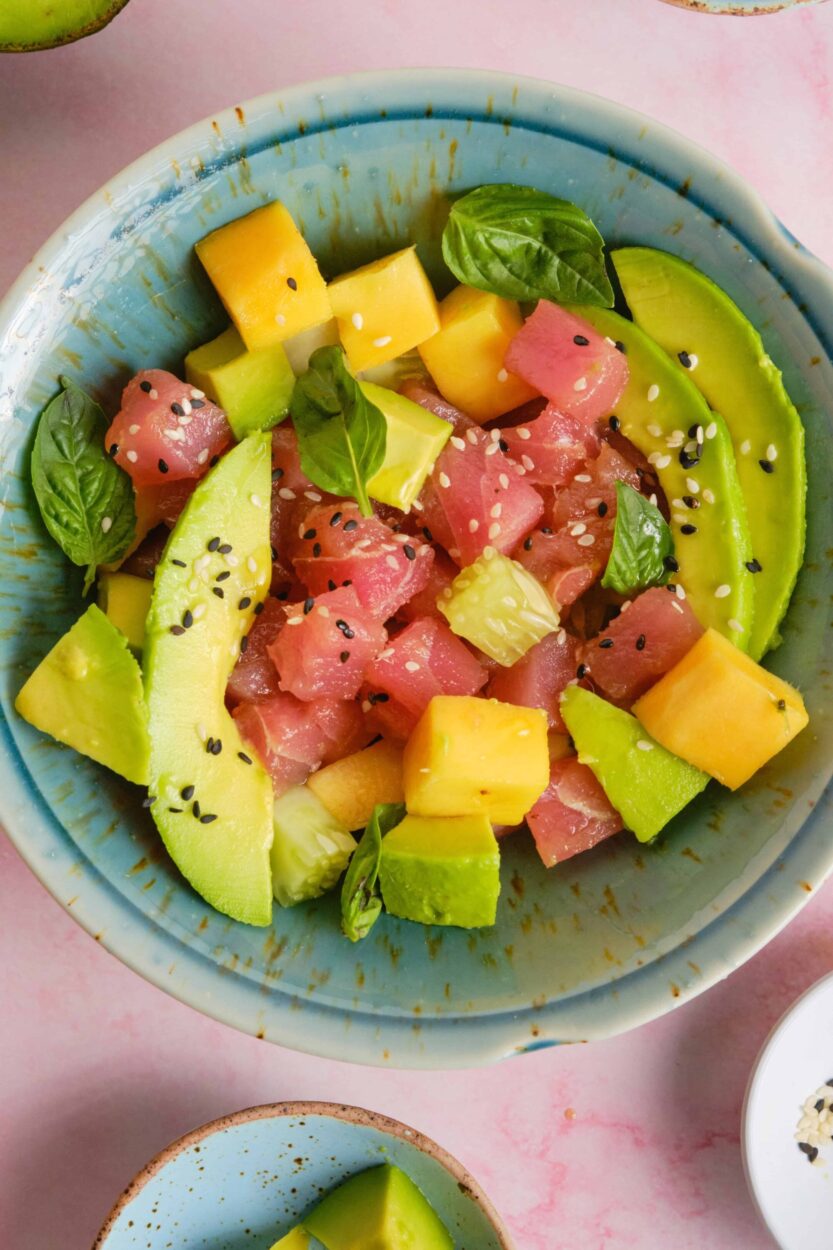
The Hawaiian Poke Bowl is the kind of recipe that earns you a reputation. The kind where someone takes one bite, puts down their fork, and says — okay, you need to make this again. It is bold, it is beautiful, and it is the rare dish that manages to feel both effortless and impressive at the same time. Once you nail the marinade and get comfortable with the assembly, you will find yourself making this on repeat, riffing on toppings and bases with the confidence of someone who has found their signature dish.
If you make this recipe, we genuinely want to see it. Tag us on Instagram, pin it for later, or leave a comment below telling us which toppings you chose and how it turned out. Food this good deserves to be shared — and honestly, your version just might inspire someone else to have their own poke bowl moment. Now go build that bowl.
Find the complete recipe card below ↓
Hawaiian Poke Bowl
Equipment
- Medium saucepan with lid
- Sharp chef's knife
- Cutting board
- Large mixing bowl
- Small mixing bowl
- Whisk
- Squeeze bottle or zip-top bag
- Rice paddle or wooden spoon
Ingredients
For the Sushi Rice
- 2 cups sushi rice short-grain Japanese rice
- 2.5 cups water
- 3 tbsp rice vinegar
- 1 tbsp sugar
- 1 tsp salt
For the Ahi Tuna Marinade
- 1 lb sushi-grade ahi tuna cut into 3/4-inch cubes
- 3 tbsp soy sauce or tamari for gluten-free
- 1.5 tbsp toasted sesame oil
- 1 tbsp rice vinegar
- 1 tsp honey
- 1 tsp fresh ginger finely grated
- 1 clove garlic finely grated
- 2 tsp sesame seeds plus more for topping
- 2 green onions thinly sliced
For the Sriracha Mayo
- 3 tbsp Japanese mayonnaise Kewpie preferred
- 1.5 tbsp sriracha adjust to taste
- 1 tsp lime juice freshly squeezed
Bowl Toppings
- 2 ripe avocados sliced or cubed
- 1 cup shelled edamame thawed if frozen
- 1 English cucumber thinly sliced or diced
- 0.5 cup shredded carrots
- 0.25 cup pickled ginger store-bought
- 0.25 cup tobiko or masago flying fish roe, optional
- 2 tbsp crispy shallots optional but highly recommended
- 1 tbsp furikake optional Japanese seasoning blend
- 1 sheet nori cut into thin strips, optional
- 1 tbsp sesame seeds for garnish
Instructions
Cook the Sushi Rice
- Rinse the sushi rice under cold water until the water runs clear — this removes excess starch and prevents the rice from becoming gluey. Place rinsed rice and 2.5 cups of water in a medium saucepan. Bring to a boil over high heat, then reduce to the lowest simmer, cover, and cook for 18 minutes. Remove from heat and let steam, covered, for 10 minutes.
- While the rice is steaming, whisk together rice vinegar, sugar, and salt in a small bowl until dissolved. Transfer the cooked rice to a large bowl and gently fold in the seasoning mixture using a rice paddle or wooden spoon, fanning to cool the rice slightly. The finished rice should be glossy, sticky, and lightly seasoned. Cover with a damp towel and set aside.
Marinate the Tuna
- Pat the ahi tuna dry with paper towels. Using a sharp knife, cut the tuna into even 3/4-inch cubes — uniform size ensures every piece marinates evenly and looks beautiful in the bowl.
- In a medium bowl, whisk together soy sauce, toasted sesame oil, rice vinegar, honey, grated ginger, and grated garlic until fully combined. Add the tuna cubes and gently toss to coat every piece. Stir in the sliced green onions and sesame seeds. Cover and refrigerate for 10 to 30 minutes — no longer or the acid will begin to break down the fish's texture.
Make the Sriracha Mayo
- In a small bowl, whisk together Kewpie mayonnaise, sriracha, and lime juice until smooth and fully combined. Taste and adjust the sriracha level to your heat preference. Transfer to a squeeze bottle or a small zip-top bag with the corner snipped for easy drizzling.
Assemble the Poke Bowls
- Divide the warm sushi rice evenly among four serving bowls, using about 3/4 cup per bowl. Pack it slightly to create a stable base.
- Arrange the marinated tuna over one section of the rice. Fan the avocado slices beside the tuna, and nestle the edamame, cucumber, shredded carrots, and pickled ginger in separate sections around the bowl — presentation matters here, and grouping each topping individually creates a stunning visual.
- Scatter tobiko over the tuna if using, then add crispy shallots and nori strips. Drizzle the sriracha mayo generously over the entire bowl. Finish with a sprinkle of sesame seeds and furikake. Serve immediately while the rice is still warm.