

When a Single Pot Fills Your Entire Home with Magic
There are dishes that feed you, and then there are dishes that transport you. Moroccan Lamb Tagine is firmly in the second category. The moment those spices hit the hot oil — cumin, cinnamon, ginger, turmeric, a whisper of saffron — something shifts in the air. Your kitchen stops being just a kitchen. It becomes something warmer, more generous, more ancient. This is the kind of cooking that has been happening for centuries across the souks and riads of Marrakech, Fez, and Casablanca, and for good reason: it is absolutely, unapologetically magnificent.
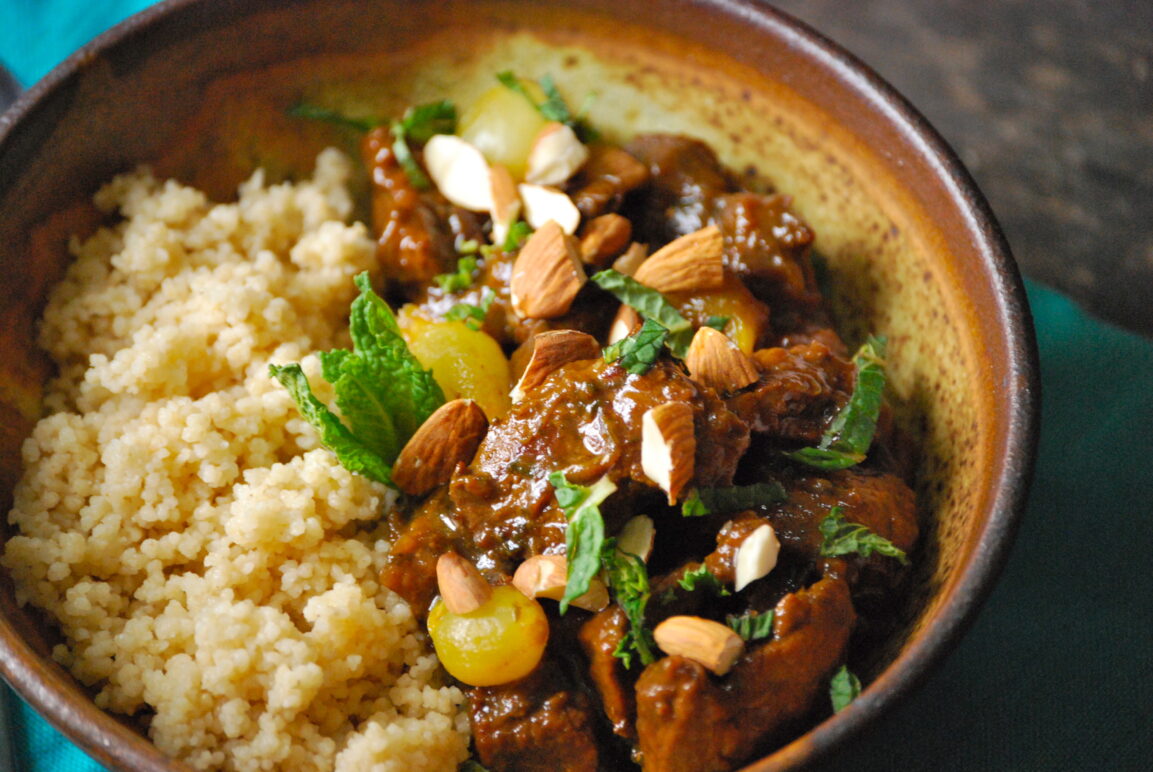
What makes a great Moroccan Lamb Tagine so irresistible is not just the spice — it is the layering. Tender, slow-braised lamb that has surrendered completely to hours of low heat. A sauce that is simultaneously sweet from dried apricots and onions, savory from deeply browned meat and tomato, and complex from a spice blend that perfumes every single bite. The fat from the lamb renders down and melds into that sauce until it is silky, glossy, and clingy in all the right ways. Serve it over a mound of fluffy couscous and you have a restaurant-quality dinner that somehow feels even better eaten at home.
This recipe does not cut corners on flavor. We are using bone-in lamb shoulder, a proper ras el hanout spice blend, preserved lemon, and enough aromatics to make your neighbors knock on the door. This is the tagine you make when you want to genuinely impress — a dinner party centerpiece, a Sunday slow cook, a meal that people talk about for days afterward. Let’s get into it.
Why You’ll Love This Recipe
- Deeply complex flavor from simple techniques — browning the lamb and blooming the spices does most of the heavy lifting. The slow braise does the rest.
- Meltingly tender lamb — bone-in shoulder breaks down into rich, pull-apart pieces that soak up every drop of that incredible sauce.
- Sweet, savory, and aromatic all at once — the combination of dried apricots, honey, cinnamon, and savory lamb is a flavor profile unlike anything else in the cooking world.
- Perfect for entertaining — make it a day ahead, let the flavors deepen overnight, and reheat to serve. It is genuinely better the next day.
- One-pot magic — everything builds in a single Dutch oven or tagine pot, meaning minimal cleanup and maximum depth of flavor.
- Impressive without being intimidating — once you understand the technique, this dish is approachable, forgiving, and endlessly rewarding.
Key Ingredients That Make This Tagine Extraordinary
At the heart of this recipe is bone-in lamb shoulder, and this is non-negotiable for the best results. The collagen in the shoulder breaks down over long, slow cooking and transforms the braising liquid into a naturally thick, luscious sauce with incredible body. Boneless leg of lamb works in a pinch, but it will never quite reach the same silky depth. Alongside the lamb, ras el hanout is the spice blend that defines this dish — a complex North African mixture that typically includes cumin, coriander, cinnamon, ginger, turmeric, black pepper, and sometimes rose petals or saffron. If you cannot find a pre-made blend, Serious Eats has an excellent guide to building your own ras el hanout from scratch, and it is absolutely worth the effort for the payoff in flavor.
Preserved lemon is one of those ingredients that sounds exotic but completely transforms the dish — the rind brings a fermented, briny, intensely citrusy punch that cuts through the richness of the lamb fat and lifts the entire sauce. You can find it at most Middle Eastern grocery stores or online, and a single jar will last you months. Dried apricots add a jammy sweetness that is distinctly Moroccan — they soften into the sauce over the long braise, essentially dissolving into pockets of honeyed fruit that balance the savory depth of the meat. The onions in this dish are not an afterthought — they are slow-cooked until deeply golden and sweet before the lamb even hits the pot, forming the aromatic backbone of the entire sauce. Finally, a generous pour of chicken or lamb stock keeps everything moist and builds a broth that, by the end of cooking, has reduced into something closer to a concentrated, complex gravy than a simple liquid.
Pro Tips & Variations
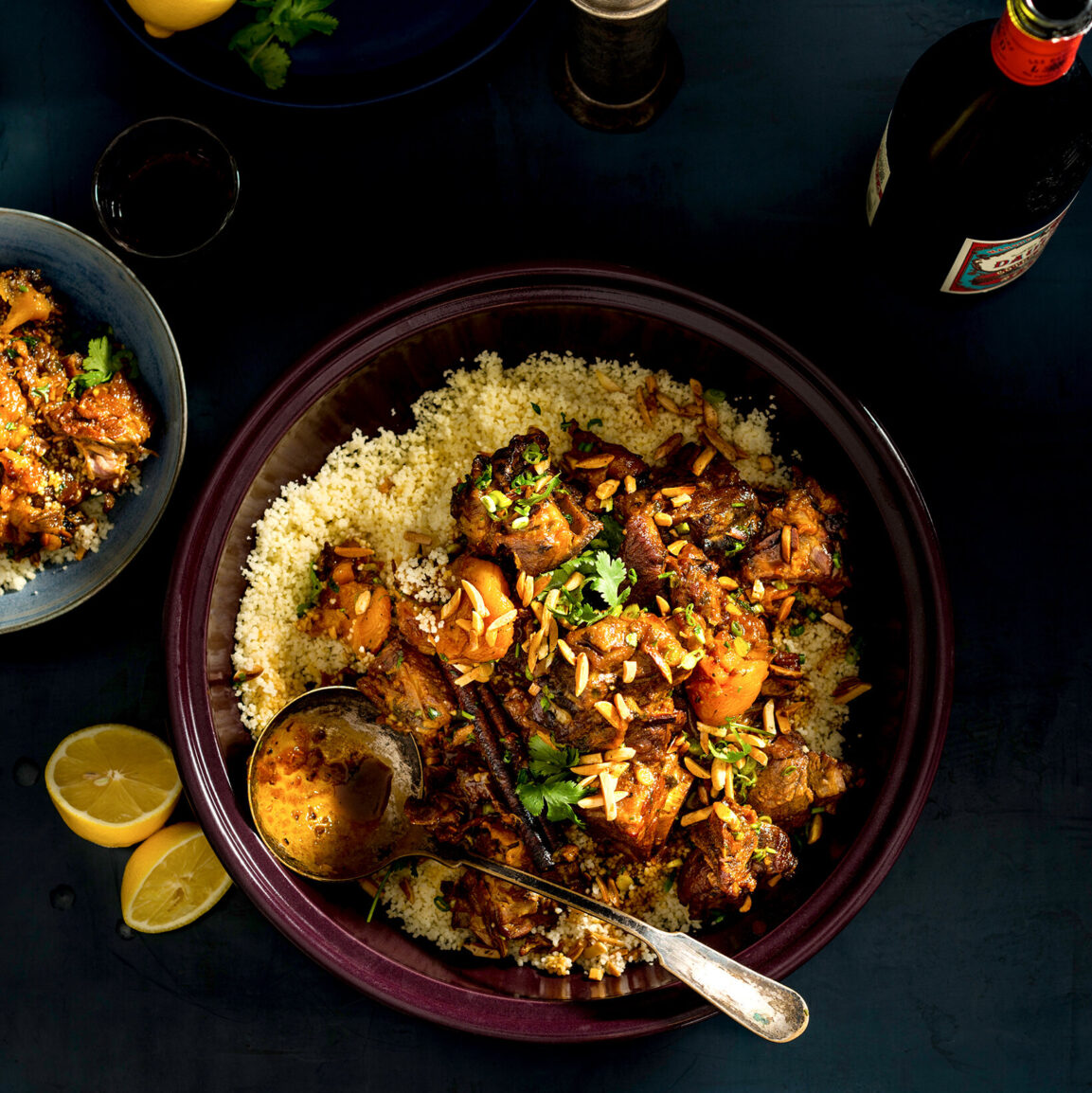
Brown the lamb aggressively. This is the single most important step in the recipe and the one most people rush. Pat your lamb completely dry, season it generously, and sear it in batches over high heat until you have a deep mahogany crust on every surface. That crust is flavor — the Maillard reaction happening in real time. Do not crowd the pan, do not rush it, and do not be shy about the heat. According to Epicurious’s guide to braising meat, proper searing can add more depth to a braise than almost any other single technique.
Bloom your spices. After removing the browned lamb, add your onions and cook them low and slow until golden. Then add the spice blend directly to the oil and onion mixture and stir for 60 to 90 seconds before adding any liquid. This step unlocks fat-soluble flavor compounds that simply cannot be released in a water-based environment. The difference in aroma and taste is immediately, obviously noticeable.
Use a Dutch oven if you don’t have a tagine. A traditional clay tagine is beautiful and does create a slightly different steam circulation, but a heavy-bottomed Dutch oven produces virtually identical results for the home cook. Keep the heat low and the lid on tight.
Make it ahead. This dish is at its absolute best 24 hours after cooking. The lamb relaxes further into the sauce, the flavors integrate and deepen, and the fat rises to the top of the container overnight so you can skim it off for a cleaner sauce. Reheat gently over low heat with a splash of stock if needed.
Variations to Try:
- Chicken Tagine: Swap lamb shoulder for bone-in, skin-on chicken thighs and reduce the cook time to about 45 minutes.
- Vegetarian Tagine: Use chickpeas, butternut squash, and root vegetables in place of the lamb. Add the chickpeas for the last 30 minutes to avoid mushiness.
- Add olives: A handful of green olives added in the last 20 minutes of cooking adds a briny, meaty note that is absolutely classic in Moroccan cooking.
- Heat lovers: Add a teaspoon of harissa paste to the spice bloom for a smoky, spicy kick that plays beautifully against the sweet apricots.
If you love bold, globally inspired cooking, you might also enjoy exploring our Cast Iron Skillet Pizza for another single-vessel meal that delivers massive flavor with minimal fuss.
Nutritional Highlights
A generous serving of Moroccan Lamb Tagine delivers serious protein — typically 35 to 40 grams per serving from the lamb alone — making it an incredibly satisfying, filling meal that holds well for hours after eating. Lamb shoulder is rich in zinc, iron, and B12, nutrients that are particularly bioavailable from red meat sources. The dried apricots and tomatoes contribute vitamin C, which actually enhances iron absorption from the meat. The spices — turmeric, ginger, cumin, and cinnamon — all carry meaningful anti-inflammatory and antioxidant properties that have been studied extensively in nutritional research. While this dish is rich and calorie-forward (as a truly indulgent meal should be), it is built around whole, unprocessed ingredients without refined carbohydrates or hidden sugars. Served over couscous with a simple green salad or a bright, fresh side like our Cucumber Tomato Salad, it becomes a beautifully balanced and deeply nourishing plate.
Frequently Asked Questions
Can I make Moroccan Lamb Tagine ahead of time?
Absolutely — and you should. This is one of those recipes that genuinely improves with time. After cooking, let the tagine cool completely, then store it covered in the refrigerator for up to 3 days. The overnight rest allows the spices to fully meld into the sauce and the lamb to absorb even more of those deep, aromatic flavors. When you are ready to serve, reheat gently over low heat on the stovetop, adding a small splash of stock or water if the sauce has thickened too much. For entertaining, this make-ahead quality is a genuine game changer — all the active cooking is done the day before, and you simply reheat and plate when guests arrive.
What cut of lamb is best for tagine?
Bone-in lamb shoulder is the gold standard for tagine and the cut we strongly recommend. The combination of connective tissue, intramuscular fat, and bone marrow that releases during the long braise creates a sauce with extraordinary body and richness that no leaner cut can replicate. Bone-in leg of lamb can work but tends to be leaner and can dry out with extended cooking. Lamb neck is another excellent option and actually produces an even more gelatinous, richly flavored sauce — worth seeking out at a good butcher. If you can only find boneless shoulder, it will still produce excellent results; just reduce the cook time slightly and watch carefully for doneness, as it may cook faster without the insulating bone.
What do you serve with Moroccan Lamb Tagine?
Couscous is the classic and most complementary base — its light, fluffy texture soaks up the sauce beautifully without competing with the bold spice profile. Prepare it simply with butter, salt, and a handful of fresh herbs. Warm, crusty flatbread or Moroccan khobz bread is equally wonderful for scooping. For sides, think fresh and bright to balance the richness of the tagine: a simple herb salad with parsley, mint, and lemon juice; sliced cucumbers with yogurt and za’atar; or a vibrant fresh tomato salad. If you are building out a full spread and want something a bit more substantial alongside, our Caprese Salad with Balsamic Glaze offers a fresh, elegant counterpoint to the warm, spiced lamb.
Make This Tagine Tonight — You Won’t Regret It
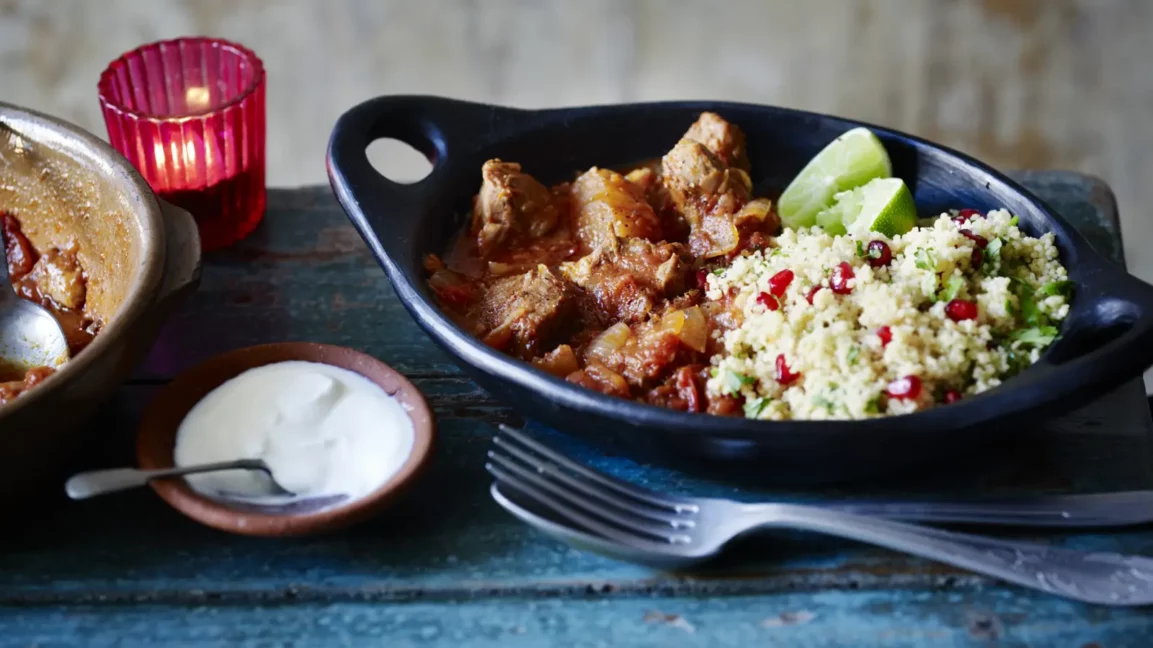
Moroccan Lamb Tagine is the kind of recipe that earns a permanent place in your rotation. It is the dish you make when you want to cook something that truly matters — something that takes its time, that fills every corner of your home with warmth and spice, that makes whoever is lucky enough to eat it feel genuinely cared for. It is comfort food at its most sophisticated, and it is deeply, irresistibly craveable. Whether this is your first tagine or your fiftieth, this version will remind you exactly why you love to cook.
If you make this Moroccan Lamb Tagine, we would absolutely love to see it. Save this recipe to Pinterest, share a photo in the comments, or tag us on Instagram — seeing your beautiful tagines is the best part of what we do. And if you are building out a full dinner party menu, do not miss exploring more of our bold, flavor-first recipes right here on Desire Recipes.
Find the complete recipe card below ↓
Moroccan Lamb Tagine
Equipment
- Large Dutch oven or heavy-bottomed pot with lid
- Tongs
- Wooden spoon
- Sharp chef's knife
- Cutting board
- Small bowl (for blooming saffron)
Ingredients
For the Lamb
- 3 lbs bone-in lamb shoulder cut into 2-inch pieces
- 2 tablespoons olive oil
- 1.5 teaspoons kosher salt plus more to taste
- 0.5 teaspoon black pepper freshly ground
Aromatics & Spices
- 2 large yellow onions thinly sliced
- 5 cloves garlic minced
- 1 tablespoon fresh ginger grated
- 2.5 tablespoons ras el hanout
- 1 teaspoon ground cumin
- 1 teaspoon ground cinnamon
- 0.5 teaspoon ground turmeric
- 0.25 teaspoon cayenne pepper optional, for heat
- 1 pinch saffron threads bloomed in 2 tablespoons warm water
Sauce & Braising Liquid
- 1 can (14oz) crushed tomatoes
- 2 cups chicken or lamb stock low sodium
- 1 tablespoon tomato paste
- 1 tablespoon honey
- 1 cup dried apricots halved
- 1 whole preserved lemon rind only, rinsed and finely chopped
- 1 can (15oz) chickpeas drained and rinsed
To Serve & Garnish
- 2 cups couscous prepared according to package directions
- 0.25 cup fresh cilantro roughly chopped
- 0.25 cup fresh mint leaves
- 0.25 cup toasted slivered almonds
- 2 tablespoons pomegranate seeds optional
Instructions
Brown the Lamb
- Pat the lamb pieces completely dry with paper towels. Season generously on all sides with salt and black pepper.
- Heat olive oil in a large Dutch oven or heavy-bottomed pot over medium-high heat until shimmering and just beginning to smoke.
- Working in batches — do not crowd the pan — sear the lamb pieces for 3 to 4 minutes per side until a deep mahogany crust forms on all surfaces. Transfer seared lamb to a plate and repeat with remaining pieces. Set aside.
Build the Aromatic Base
- Reduce heat to medium. Add the sliced onions to the same pot with the lamb drippings. Cook, stirring occasionally, for 10 to 12 minutes until deeply golden and very soft. Season lightly with salt.
- Add the garlic and fresh ginger. Stir and cook for 1 minute until fragrant.
- Add the ras el hanout, cumin, cinnamon, turmeric, and cayenne (if using) directly to the onion mixture. Stir constantly for 60 to 90 seconds to bloom the spices in the oil. The mixture should be very fragrant and deepen slightly in color.
- Stir in the tomato paste and cook for an additional 1 minute.
Braise the Tagine
- Add the crushed tomatoes, chicken or lamb stock, honey, and bloomed saffron with its soaking water to the pot. Stir to combine and scrape up any browned bits from the bottom of the pot.
- Return the seared lamb and any accumulated juices back to the pot. Nestle the lamb pieces into the liquid — they should be mostly submerged.
- Add the dried apricots and chopped preserved lemon rind. Stir gently to distribute.
- Bring the liquid to a gentle simmer, then reduce heat to low. Cover tightly with a lid and braise for 1 hour and 45 minutes to 2 hours, checking occasionally and turning the lamb once halfway through, until the lamb is completely fall-apart tender and the sauce has thickened and deepened in color.
- In the last 20 minutes of cooking, add the drained chickpeas. Stir gently, replace the lid, and continue cooking.
Finish and Serve
- Taste the sauce and adjust seasoning with salt, pepper, or an extra drizzle of honey if needed.
- Serve the tagine over generous portions of fluffy prepared couscous.
- Garnish with fresh cilantro, mint leaves, toasted slivered almonds, and pomegranate seeds if using. Serve immediately with warm flatbread alongside.