

The Dish That Ruins Takeout for You — Forever
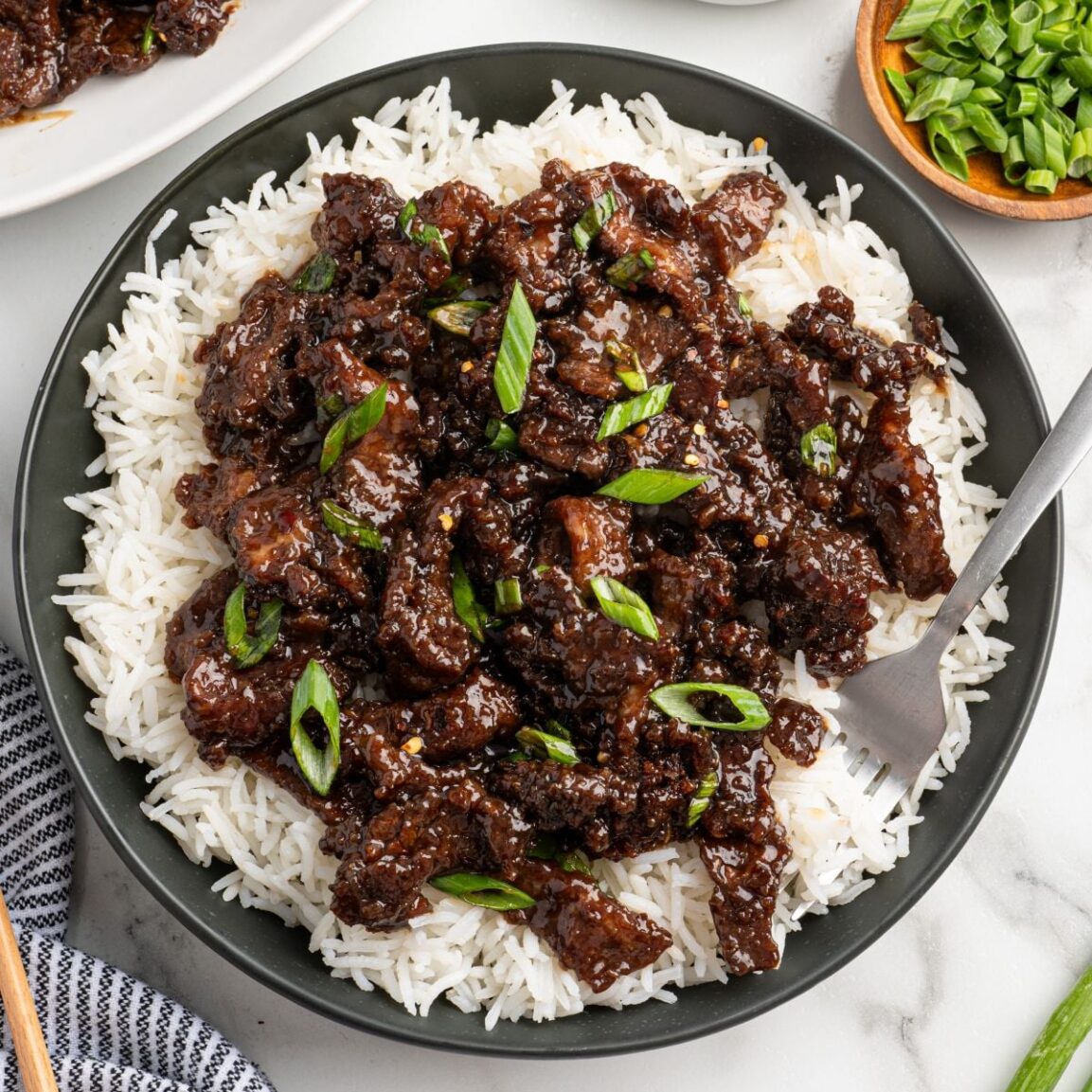
There’s a specific kind of craving that hits without warning — the one for something deeply savory, slightly sweet, with that glossy, sticky sauce that coats every single piece of beef and clings to a pile of fluffy white rice like it was made for nothing else. That craving has a name: Mongolian Beef. And once you make it at home, you’ll realize you’ve been settling for a lesser version your entire life. The restaurant editions are fine. This one is extraordinary.
Mongolian Beef isn’t actually Mongolian in origin — it’s an American-Chinese restaurant staple that became a cult classic for one simple reason: the sauce is phenomenal. We’re talking a high-heat wok-kissed combination of soy, brown sugar, garlic, and fresh ginger that reduces into something caramel-dark, intensely umami, and absolutely irresistible. Toss in thin-sliced flank steak that’s been dusted in cornstarch and flash-fried to crispy-edged perfection, and you have the kind of dish that disappears from the pan before you’ve even finished cooking it.
This recipe is built around one philosophy: flavor first, always. No shortcuts on the sauce. No skimping on the sear. Every step is designed to give you that restaurant-quality result — the kind where the beef has those slightly crispy edges but stays tender in the middle, all wrapped in a sauce so good you’ll be spooning it over rice long after the beef is gone. Let’s get into it.
Why You’ll Love This Recipe
- Ready in under 30 minutes. This is weeknight dinner territory — fast, focused, and wildly satisfying.
- The sauce is next-level. Rich, sticky, and deeply savory with just the right balance of sweetness and heat. You’ll want to bottle it.
- Crispy-edged beef that stays tender. The cornstarch coating technique gives you that signature texture — something most home cooks don’t know how to achieve.
- Cheaper and better than delivery. You’ll spend less and eat something dramatically more delicious.
- Endlessly customizable. Spice it up, load it with vegetables, or keep it classic — this recipe is your canvas.
- Impressive enough for guests. Plate it right and this looks like something from a serious restaurant kitchen.
Key Ingredients That Make This Dish
The star of this dish is flank steak, and the cut matters enormously. Flank steak has long muscle fibers that, when sliced thinly against the grain, become remarkably tender under high heat — exactly what you need for that melt-in-your-mouth result. Skip the stew meat or thick chunks; thin slices are everything here. Next, the sauce backbone: low-sodium soy sauce provides that deep, savory umami base without overwhelming saltiness, and using low-sodium gives you control over the final flavor balance. Paired with it is dark brown sugar — not white, not honey, but dark brown sugar specifically, because its molasses content adds a subtle bitterness that keeps the sauce from tasting one-dimensional or candy-sweet.
Fresh ginger and garlic are non-negotiable. Pre-minced jarred versions simply don’t have the aromatic punch you need here — the moment those hit the hot oil, they should smell like they’re about to change your life. That fragrance is the foundation of the entire dish. Cornstarch is the unsung hero of this recipe: it coats the beef slices before frying, creating a light crust that helps the sauce adhere and gives each piece that slightly crispy exterior. Finally, sesame oil — just a small drizzle at the end — acts as a finishing perfume that elevates the entire bowl from good to genuinely restaurant-quality. According to Serious Eats’ deep dive on wok cooking technique, high heat and proper coating are the two most critical factors in achieving authentic stir-fry results at home — and this recipe nails both.
Pro Tips & Variations
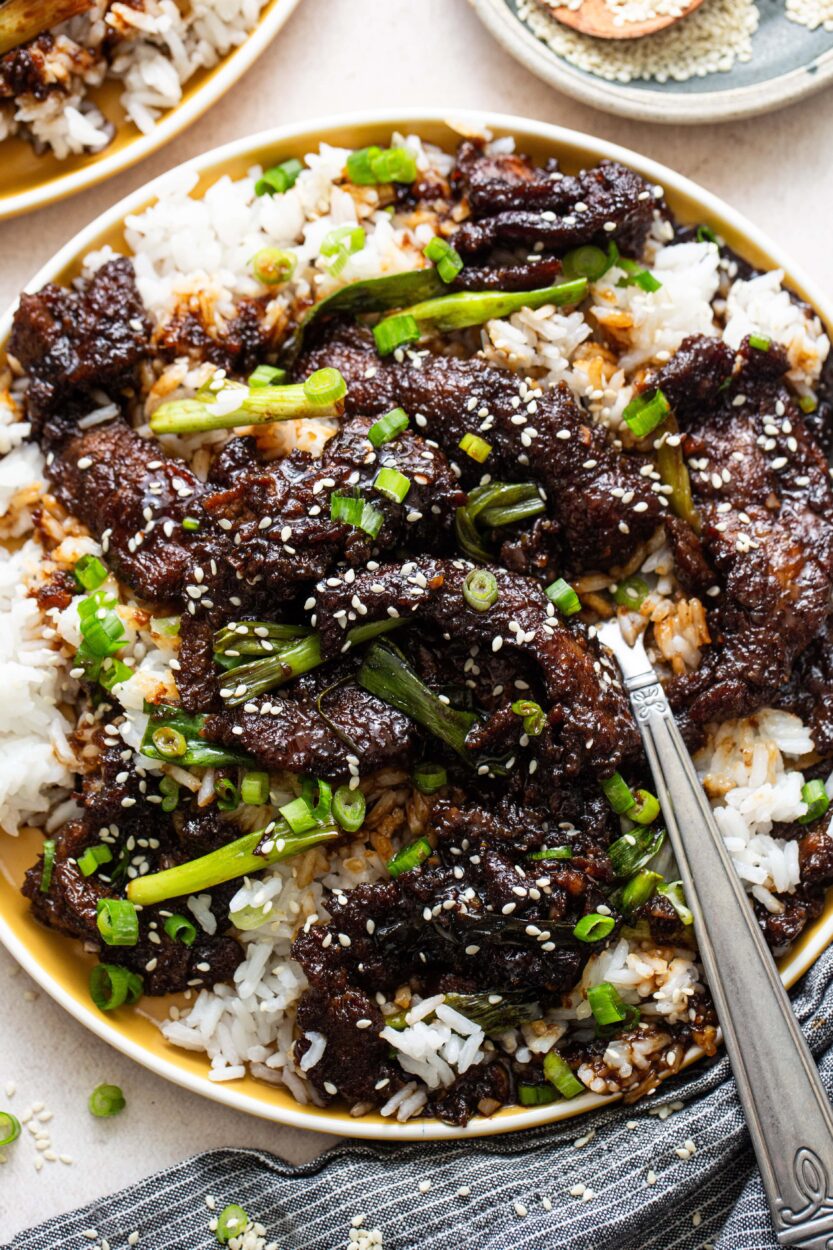
Pro Tips for Perfect Mongolian Beef
- Freeze the beef for 20 minutes before slicing. A partially frozen flank steak is dramatically easier to slice paper-thin. This one tip transforms the texture of the final dish.
- Don’t crowd the pan. This is the single most common mistake. Cook the beef in two or three batches. Crowding drops the pan temperature, steaming the beef instead of searing it, and you lose those critical crispy edges.
- Get the oil smoking hot. Mongolian Beef lives and dies by high heat. A wok or heavy-bottomed skillet over the highest flame your stove can produce — that’s the move. This is what Food Network’s stir-fry guide emphasizes as well: temperature is everything.
- Let the sauce reduce properly. Don’t rush this step. Give it a full minute or two to thicken and become glossy. This is where all that sticky, lacquered magic happens.
- Slice against the grain, always. Look at the direction of the muscle fibers and cut perpendicular to them. This shortens the fibers and creates tenderness — cutting with the grain leaves you with chewy, stringy beef.
- Add red pepper flakes for heat. A generous pinch of crushed red pepper added with the garlic and ginger turns this into something with a beautiful slow burn.
Variations Worth Trying
- Spicy Mongolian Beef: Add 1-2 teaspoons of chili garlic sauce or sambal oelek to the sauce for serious heat.
- Mongolian Beef with Vegetables: Toss in broccoli florets, snap peas, or bell pepper strips during the last few minutes of cooking. The sauce is generous enough to coat everything beautifully.
- Lighter Version: Swap flank steak for thinly sliced chicken breast or thigh, and reduce the sugar by a tablespoon. The technique remains identical.
- Serve It Different Ways: Try this over garlic fried rice, inside lettuce cups, or piled into steamed bao buns for something genuinely special.
If you’re building a full spread around this, the contrast of something bright and fresh alongside this rich, saucy beef is perfect. A simple Cucumber Tomato Salad would cut through the richness beautifully, or even a crisp Caprese Salad on the side brings a welcome brightness to the table.
Nutritional Highlights
Mongolian Beef is a protein powerhouse — each serving delivers around 35 grams of protein from the flank steak, which is one of the leaner cuts of beef despite its intense flavor. The dish does contain sodium from the soy sauce, so using low-sodium soy sauce (as this recipe calls for) is the smart move for anyone watching their intake. The sauce contributes natural sugars from the brown sugar, but the portion per serving is entirely reasonable. Compared to most takeout versions — which often arrive in enormous portions swimming in sauce — making this at home means you control every element. Serve it over cauliflower rice instead of white rice to cut the carbs significantly while keeping everything that makes this dish phenomenal. It’s comfort food that actually fuels you.
Frequently Asked Questions
Can I make Mongolian Beef ahead of time?
Yes, and it actually reheats beautifully. You can cook the full recipe, let it cool, and store it in an airtight container in the refrigerator for up to 4 days. When reheating, use a skillet over medium heat with a small splash of water or broth to loosen the sauce — it will come back together into that glossy, sticky texture almost immediately. Avoid microwaving if possible, as it can make the beef chewy. You can also prep the sauce and slice the beef a day ahead, keeping them separately in the fridge, so the actual cook time on a weeknight is under 15 minutes.
What cut of beef is best for Mongolian Beef?
Flank steak is the gold standard for this recipe. It has great beefy flavor, slices beautifully thin, and cooks quickly over high heat without becoming tough — as long as you slice it correctly (against the grain) and don’t overcook it. Skirt steak is an excellent substitute with a very similar texture profile. Sirloin works well too and is often more budget-friendly. What you want to avoid are thick, slow-cooking cuts like chuck roast or brisket — these need low-and-slow cooking methods and will become tough and chewy in a stir-fry situation.
Why do you coat the beef in cornstarch before cooking?
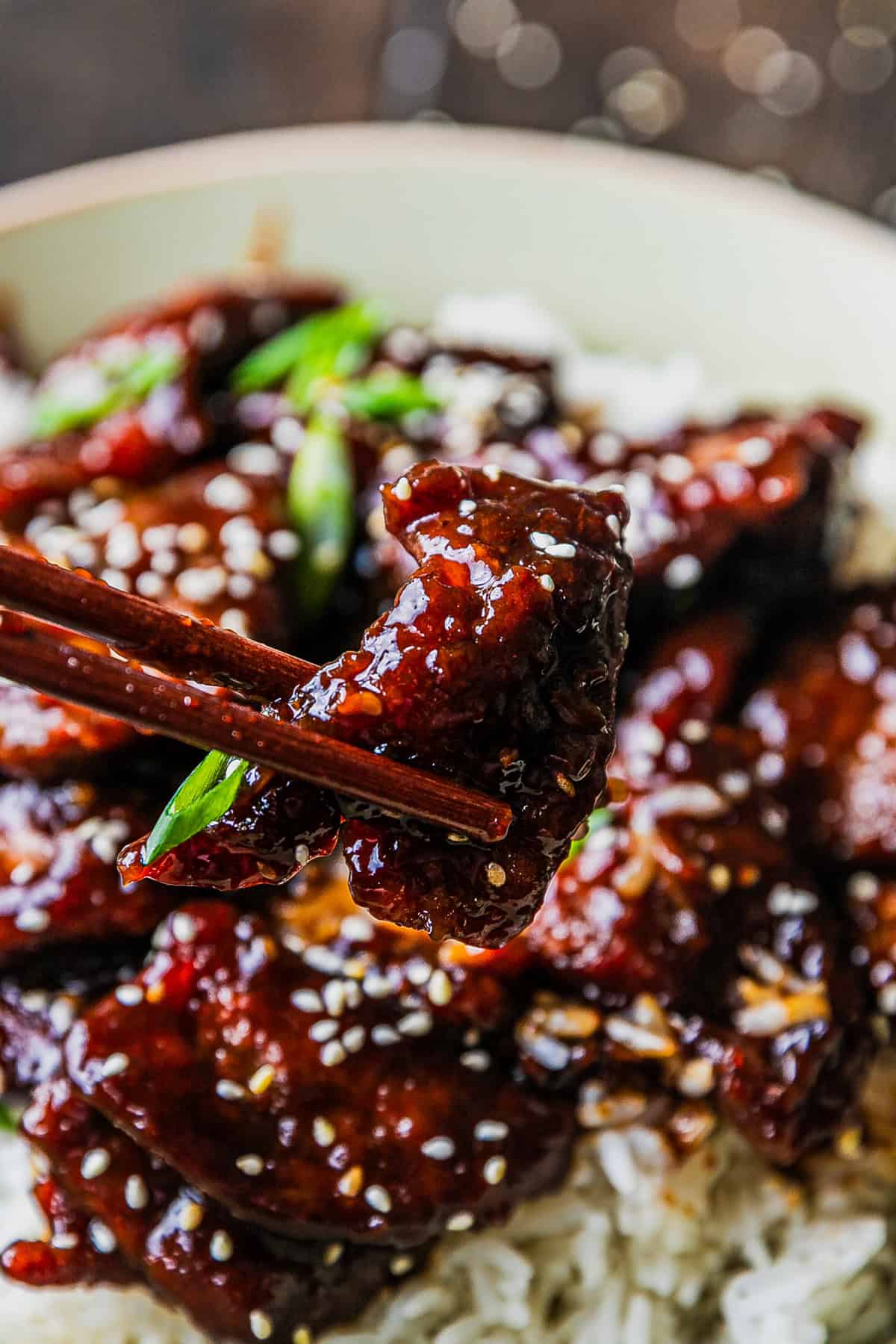
This is the secret weapon of Mongolian Beef and most great stir-fries. Coating the beef slices in cornstarch before frying does two critical things: first, it creates a thin, lightly crispy crust on the outside of each piece as it hits the hot oil, giving you those delicious slightly-crunchy edges. Second, that coating acts as a binder — it helps the thick, glossy sauce cling to every surface of the beef instead of sliding off. Without cornstarch, you get plain seared beef sitting in sauce. With it, you get fully coated, lacquered, restaurant-quality Mongolian Beef. Don’t skip this step.
Make It, Share It, Save It
This Mongolian Beef is the kind of recipe that earns a permanent spot in your weekly rotation — the one you make when you want something that tastes genuinely extraordinary without spending hours in the kitchen. It’s the recipe friends ask for after dinner. The one that makes you realize how good home cooking can actually be when you commit to bold flavors and proper technique. Whether you serve it on a Tuesday night or bring it to the table when you have people over, it will land every single time.
If you make this recipe, please share it — drop a comment below, pin it for later, or tag us when you post your plate. We genuinely love seeing how these dishes come to life in your kitchens. And if you’re looking for more dishes built around that same philosophy of bold, craveable flavor, you’re exactly where you need to be.
Find the complete recipe card below ↓
Mongolian Beef
Equipment
- Large wok or heavy-bottomed skillet
- Sharp chef's knife
- Mixing bowls
- Measuring cups and spoons
- Paper towels
- Tongs or wooden chopsticks
Ingredients
For the Beef
- 1.5 lbs flank steak sliced very thin against the grain
- 0.5 cup cornstarch for coating
- 0.5 tsp kosher salt
- 0.25 tsp black pepper freshly ground
- 0.33 cup vegetable oil for frying, divided
For the Sauce
- 0.5 cup low-sodium soy sauce
- 0.5 cup dark brown sugar packed
- 0.5 cup water
- 5 cloves garlic minced
- 1 tbsp fresh ginger finely grated
- 1 tsp sesame oil added at finish
- 0.5 tsp red pepper flakes optional, for heat
For Serving
- 4 cups cooked white rice steamed
- 4 green onions thinly sliced on the diagonal
- 1 tsp sesame seeds for garnish
Instructions
Prepare the Beef
- Place the flank steak in the freezer for 20 minutes to firm up — this makes slicing much easier. Once firm, slice very thin (about 1/4 inch) against the grain.
- Pat the sliced beef completely dry with paper towels. This is critical for getting a good sear. Season lightly with salt and pepper, then toss in the cornstarch until every piece is evenly coated. Shake off any excess.
Make the Sauce
- In a small bowl or measuring cup, whisk together the soy sauce, dark brown sugar, and water until the sugar is fully dissolved. Set aside.
- Heat 1 teaspoon of vegetable oil in a large wok or heavy-bottomed skillet over medium-high heat. Add the minced garlic, grated ginger, and red pepper flakes (if using). Stir constantly for 30–45 seconds until fragrant — do not let them burn.
- Pour the soy sauce mixture into the pan with the aromatics. Bring to a boil, then let it simmer for 3–4 minutes, stirring occasionally, until the sauce thickens slightly and becomes glossy. Remove from heat and set aside.
Fry the Beef
- Wipe out the pan and return it to the highest heat your stove can produce. Add the remaining vegetable oil and heat until it is shimmering and just beginning to smoke.
- Add the beef in a single layer in batches — do not crowd the pan. Sear for 1–2 minutes per side until deeply browned and crispy on the edges. Remove to a plate and repeat with remaining beef.
Combine and Finish
- Return all the seared beef to the pan over high heat. Pour the prepared sauce over the beef and toss quickly to coat every piece. Let everything cook together for 1–2 minutes until the sauce thickens further and fully lacquers the beef.
- Remove from heat and drizzle with sesame oil. Toss once more.
- Serve immediately over steamed white rice, garnished generously with sliced green onions and sesame seeds.