

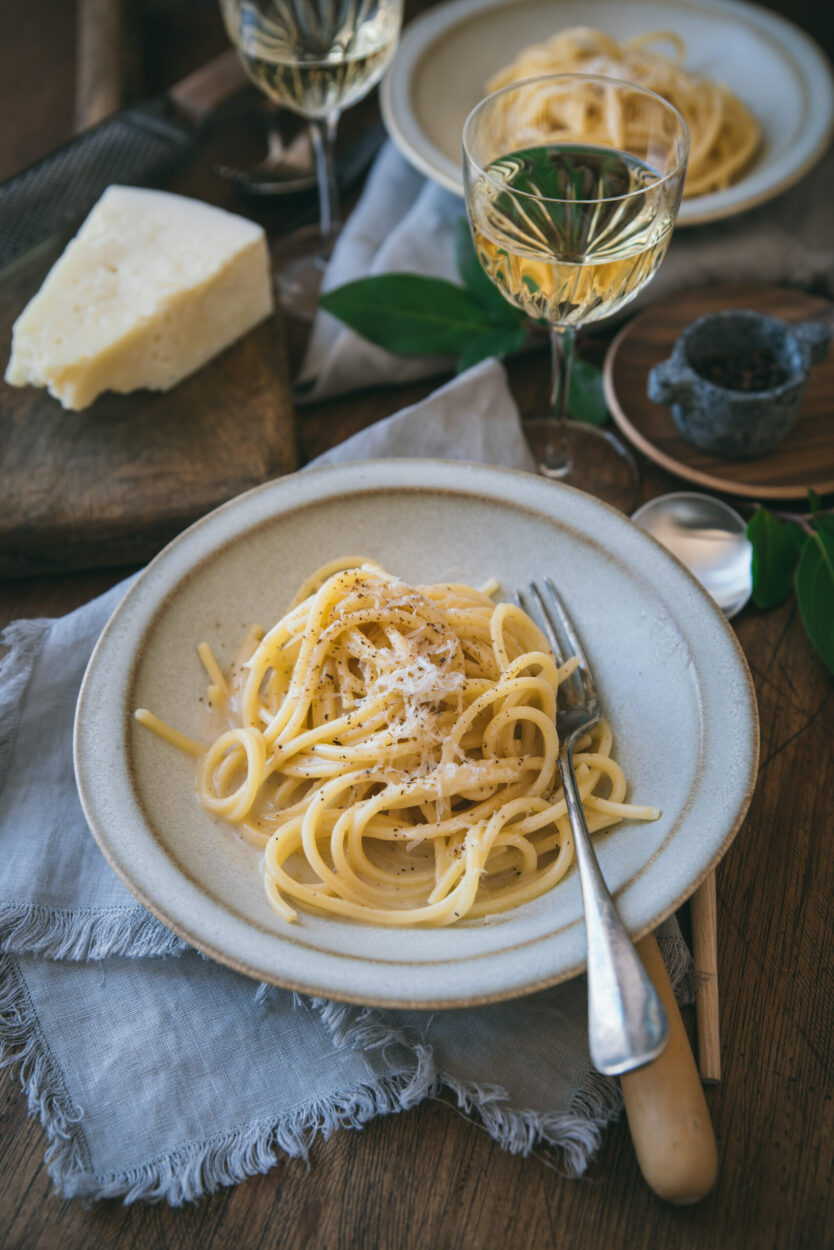
There’s something almost magical about the moment you first twirl perfectly silky Spaghetti Carbonara around your fork. The way the glossy, golden sauce clings to each strand of pasta, the aromatic steam rising from the plate, and that first bite that transports you straight to a cozy Roman trattoria. This isn’t just any pasta dish – it’s a testament to the beauty of Italian simplicity, where just five humble ingredients transform into something extraordinary.
I’ll never forget my first authentic carbonara experience in Rome, watching a wizened nonna work her magic behind the counter of a tiny restaurant tucked away in Trastevere. No cream, no garlic, no unnecessary flourishes – just eggs, cheese, guanciale, pasta, and pepper dancing together in perfect harmony. The technique looked deceptively simple, yet every movement was deliberate, every timing crucial. That’s the beauty of traditional Italian cooking: it demands respect for the ingredients and mastery of technique, but rewards you with flavors that have remained unchanged for generations.
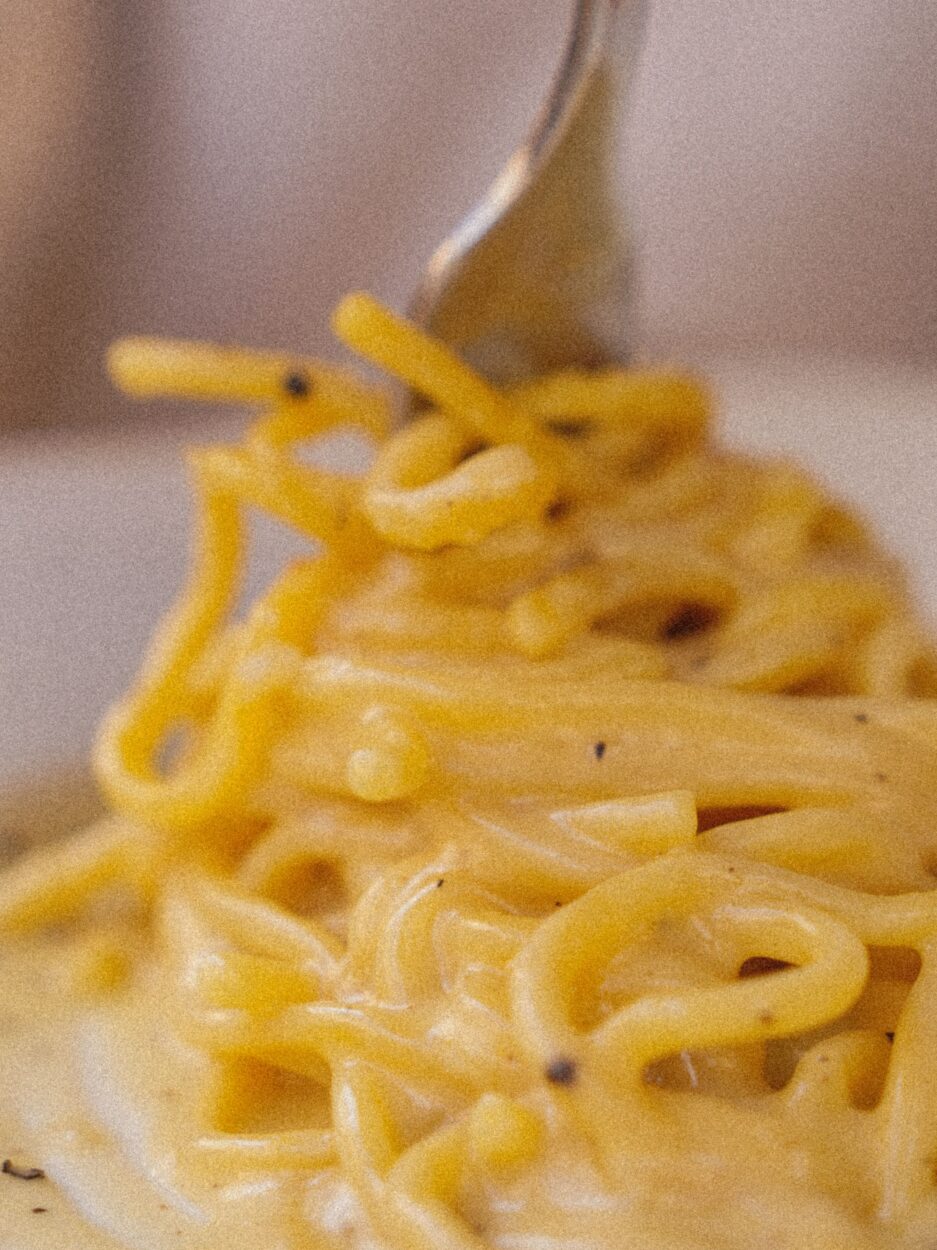
What many people don’t realize is that carbonara is essentially a brilliant lesson in kitchen chemistry. The silky sauce isn’t made from cream at all – it’s created by the careful emulsion of eggs, cheese, and starchy pasta water, tossed with hot pasta at just the right temperature. Get it right, and you’ll have the most luxurious, velvety sauce imaginable. Get it wrong, and you’ll end up with scrambled eggs. But don’t worry – I’m going to share every secret to ensure your success.
Why You’ll Love This Recipe
This Spaghetti Carbonara recipe represents everything I adore about Italian cooking – it’s incredibly satisfying yet surprisingly quick to make. In just 20 minutes, you can have a restaurant-quality dish on your table that’s both elegant enough for date night and comforting enough for a weekday dinner. The ingredient list is refreshingly short, but each component plays a crucial role in creating that signature creamy texture and rich, savory flavor.
Unlike many pasta dishes that require lengthy simmering or complex preparations, carbonara celebrates the beauty of perfect timing and technique. Once you master the method, you’ll find yourself turning to this recipe again and again because it delivers maximum flavor with minimal effort. Plus, most of the ingredients are pantry staples, making it an ideal last-minute dinner solution when you want something special without a trip to the store.
The versatility of this dish is another reason to love it. While the traditional recipe is perfection on its own, it also serves as a wonderful foundation for subtle variations. Whether you’re cooking for picky eaters who appreciate classic flavors or adventurous food lovers looking for their next favorite pasta dish, this carbonara delivers every time.
Key Ingredients
The magic of Spaghetti Carbonara lies in its carefully selected ingredients, each serving a specific purpose in creating the dish’s signature character. High-quality spaghetti forms the foundation – its long strands and slightly rough texture are perfect for holding the silky sauce. Fresh eggs, particularly the yolks, are the heart of the creamy emulsion that makes carbonara so luxurious without using any cream. Pecorino Romano cheese brings sharp, salty depth and helps thicken the sauce while adding that distinctive Roman flavor profile. Guanciale, the traditional cured pork jowl, renders beautiful fat and provides a rich, porky flavor that’s more complex than regular bacon. Finally, freshly cracked black pepper isn’t just a garnish – it’s an essential flavor component that adds warmth and subtle heat, balancing the richness of the other ingredients. When sourced well and treated with respect, these simple ingredients create something far greater than the sum of their parts.
Pro Tips & Variations
The key to perfect carbonara lies in temperature control and timing. Always remove your pan from heat before adding the egg mixture – the residual heat from the pasta and pan will gently cook the eggs without scrambling them. Work quickly but deliberately when combining the hot pasta with the egg mixture, and don’t be afraid to add pasta water gradually until you achieve that glossy, coating consistency.
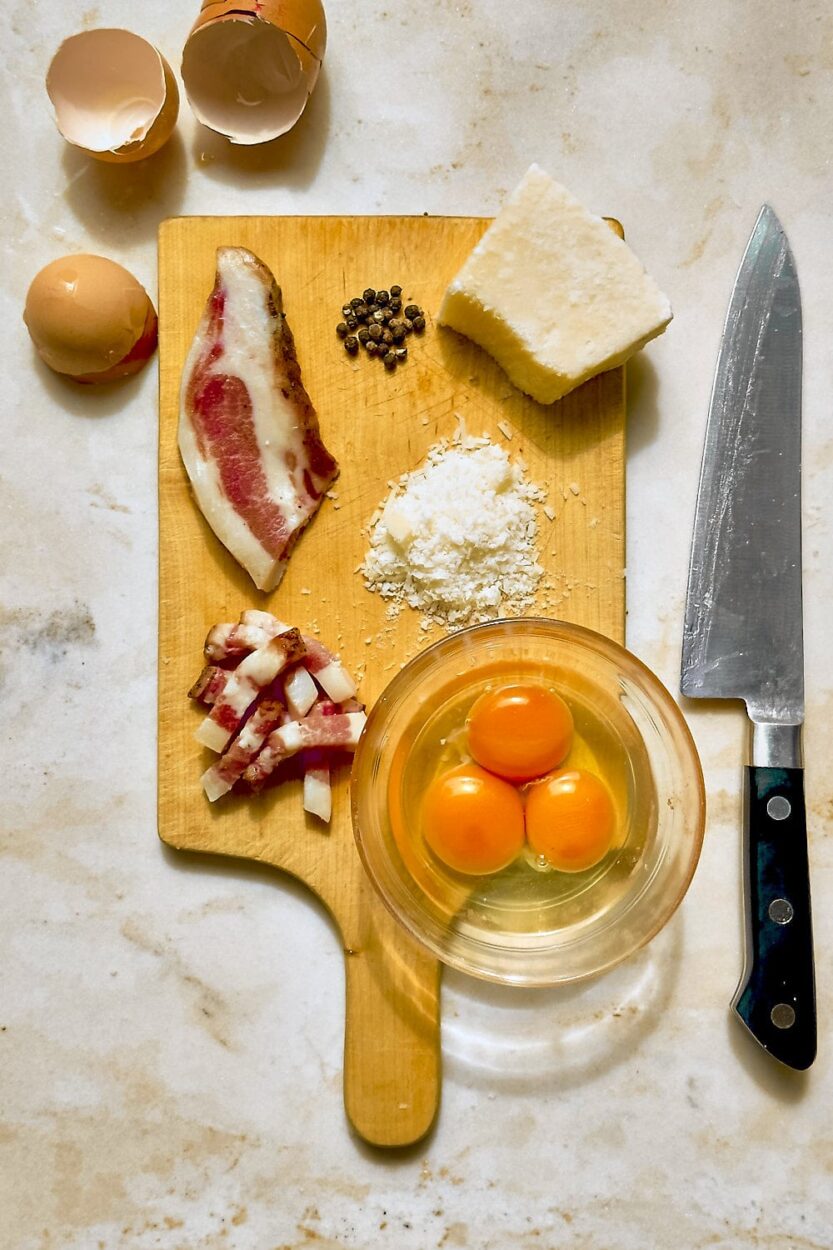
If you can’t find guanciale, pancetta makes an excellent substitute, though bacon will work in a pinch (just look for a thick-cut, high-quality variety). For the cheese, authentic Pecorino Romano is ideal, but you can mix it with Parmigiano-Reggiano if you prefer a milder flavor. Some cooks swear by using a combination of whole eggs and extra yolks for an even richer sauce – try two whole eggs plus two additional yolks for an ultra-luxurious version.
Temperature is everything when it comes to carbonara success. Serious Eats has excellent technical guidance on achieving the perfect emulsion. The pasta should be hot enough to cook the eggs gently but not so hot that it scrambles them instantly. Practice makes perfect, so don’t be discouraged if your first attempt isn’t restaurant-perfect.
For variations, consider adding a splash of white wine to deglaze the pan after cooking the guanciale, or experiment with different pasta shapes like bucatini or rigatoni. Some modern interpretations include a touch of fresh herbs like parsley, though purists might frown upon this addition. Bon App?tit offers insights into regional variations that can inspire your own creative touches while respecting the dish’s traditional roots.
Nutritional Highlights
While Spaghetti Carbonara is undeniably a rich, indulgent dish, it also provides substantial nutritional value. The eggs contribute high-quality complete protein and essential vitamins like B12 and choline, which support brain health and metabolism. Pecorino Romano is an excellent source of calcium and protein, while also providing beneficial probiotics if you choose a traditionally aged variety. The pasta delivers energy-sustaining carbohydrates, and when you use high-quality durum wheat spaghetti, you’re getting some fiber and B vitamins as well. Even the guanciale, while high in fat, provides protein and satisfying richness that helps you feel full and satisfied with reasonable portions. As with many traditional dishes, carbonara proves that when made with quality ingredients and enjoyed mindfully, even indulgent foods can be part of a balanced diet.
Frequently Asked Questions
Can I make Spaghetti Carbonara ahead of time?
Unfortunately, carbonara is best enjoyed immediately after making it. The creamy sauce is created by a delicate emulsion that doesn’t hold well over time or when reheated. However, you can prep some components in advance: dice the guanciale and grate the cheese up to a day ahead, and whisk together the eggs and cheese mixture just before cooking. The actual cooking and assembly should be done just before serving for the best texture and flavor. If you do have leftovers, reheat them very gently in a pan with a splash of pasta water, though the texture won’t be quite the same as freshly made.
What can I substitute for guanciale if I can’t find it?
Pancetta is the closest substitute for guanciale and will give you excellent results – it has a similar fat content and curing process, though a slightly different flavor profile. If you can only find bacon, choose a thick-cut, high-quality variety with minimal smoking and avoid anything too sweet or heavily processed. Some specialty stores carry guanciale in their charcuterie sections, and it’s increasingly available online. The key is finding a cured pork product with good fat content that will render properly and provide that rich, savory flavor that makes carbonara so special.
How do I store leftovers and reheat them properly?
Store leftover carbonara in an airtight container in the refrigerator for up to 2 days. To reheat, place the pasta in a large skillet over very low heat and add a splash of pasta water or regular water. Gently toss and warm the pasta, adding more liquid as needed to help reconstitute the sauce. Never use the microwave, as it will likely scramble the eggs and ruin the texture. Keep the heat low and be patient – the goal is to warm the pasta through while gently re-emulsifying the sauce. While reheated carbonara won’t be quite as silky as the original, this method will give you the best possible results.
Conclusion
Mastering Spaghetti Carbonara is like unlocking a delicious secret that connects you directly to centuries of Italian culinary tradition. This recipe proves that the most memorable meals don’t require complicated techniques or exotic ingredients – they require respect for quality ingredients, attention to timing, and a willingness to practice until you achieve perfection. Every time you make this dish, you’re participating in a beautiful tradition that has brought families and friends together around tables throughout Italy and beyond.
I hope this recipe brings as much joy to your kitchen as it has to mine. Don’t forget to save this recipe for future pasta emergencies, and please share your carbonara creations with us in the comments below! There’s nothing I love more than seeing how this classic dish brings happiness to dinner tables everywhere.
Find the complete recipe card below ?
Authentic Spaghetti Carbonara
Equipment
- Large pot
- Large skillet
- Large mixing bowl
- Tongs
- Whisk
Ingredients
- 1 pound spaghetti
- 4 ounces guanciale diced (or pancetta)
- 3 large eggs room temperature
- 1 cup Pecorino Romano cheese freshly grated
- 1 teaspoon black pepper freshly ground
- 1 teaspoon salt for pasta water
Instructions
- Bring a large pot of salted water to boil. Add spaghetti and cook according to package directions until al dente, reserving 1 cup pasta cooking water before draining.
- While pasta cooks, heat a large skillet over medium heat. Add diced guanciale and cook 4-5 minutes until crispy and golden, rendering the fat.
- In a large bowl, whisk together eggs, grated Pecorino Romano, and black pepper until well combined.
- Remove skillet from heat. Add drained hot pasta to the skillet with rendered guanciale and toss to coat with the fat.
- Working quickly, add the egg and cheese mixture to the pasta, tossing vigorously with tongs. Add pasta water gradually, 2-3 tablespoons at a time, until sauce is creamy and coats the pasta.
- Serve immediately in warmed bowls, topped with additional grated cheese and freshly cracked black pepper.